Importing products into the United States is not just about moving cargo—it’s also about meeting strict U.S. Food and Drug Administration (FDA) regulations. From food and beverages to pharmaceuticals and cosmetics, compliance with FDA requirements is critical for successful entry into the U.S. market.
Freight forwarders help businesses ensure FDA compliance by preparing proper documentation, coordinating with customs brokers, and guiding importers through regulatory procedures.
As someone experienced in shipping to the U.S., I’ve seen that working with knowledgeable freight forwarders prevents costly delays, rejections, and even product seizures. Let’s explore how they help importers meet FDA standards.
Documentation and Prior Notice Requirements
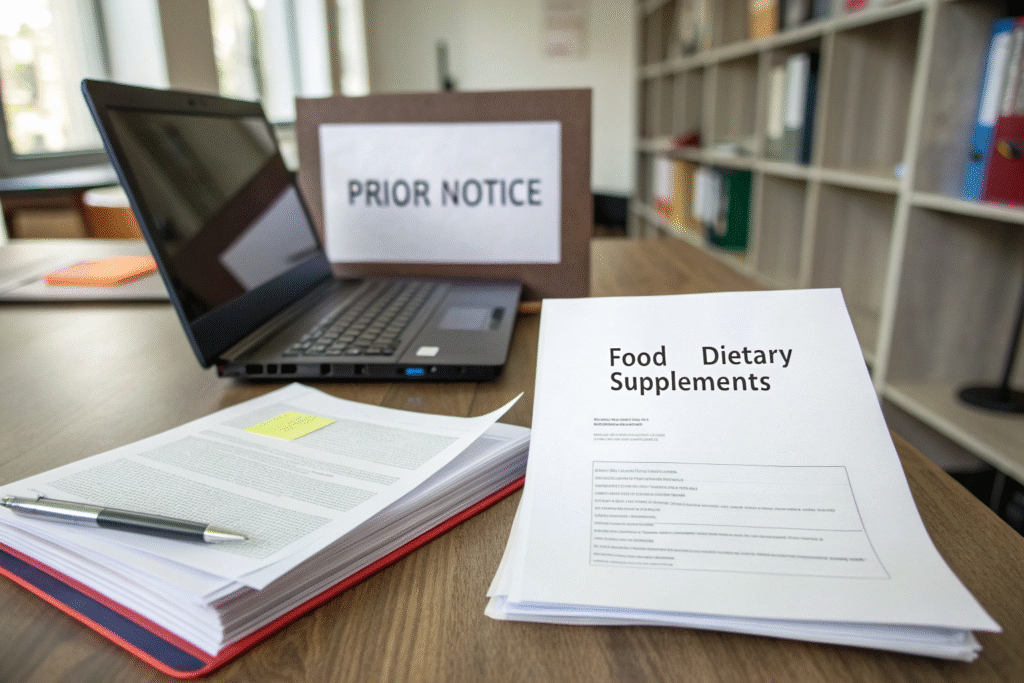
The FDA requires importers to file a Prior Notice before certain goods—such as food and dietary supplements—arrive in the U.S. Missing or incorrect paperwork can stop a shipment instantly.
Freight forwarders prepare accurate prior notices, invoices, and product details to ensure smooth FDA clearance.
What is Prior Notice and why is it required?
The FDA Prior Notice System Interface requires importers to declare shipments before they arrive. This helps the FDA screen goods for safety and compliance. Without it, cargo may be refused entry.
How do forwarders help with prior notice?
Forwarders collect product details, packaging information, and origin data, then file prior notices through the FDA system. Many also use U.S. Customs and Border Protection portals to synchronize filings and avoid duplication.
Coordinating with Customs Brokers and FDA Agents
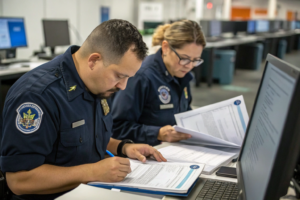
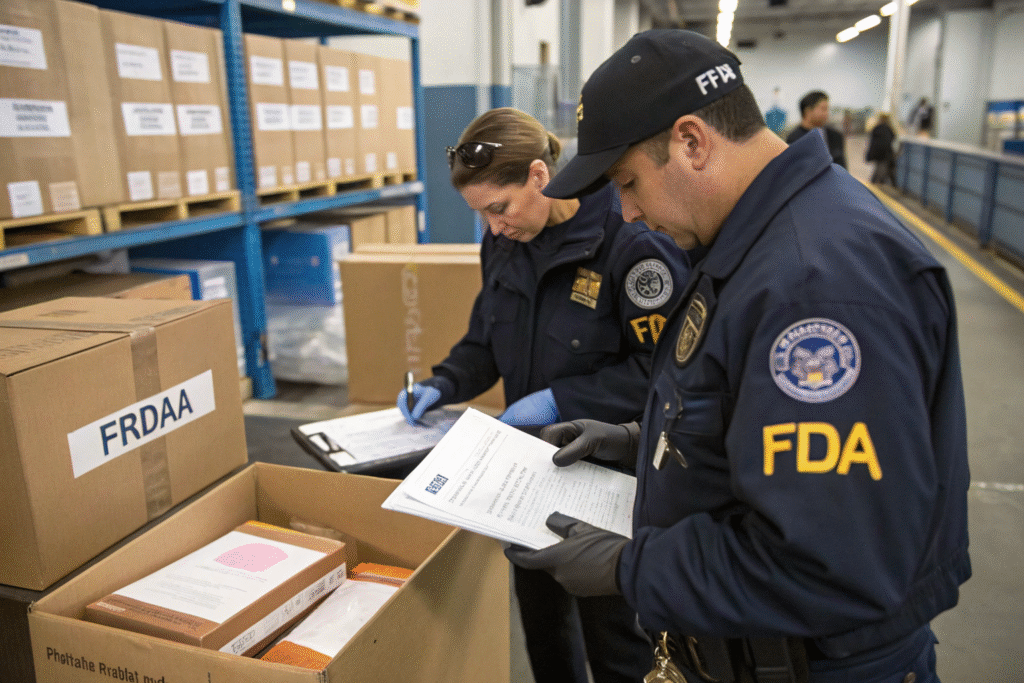
FDA compliance doesn’t stop with paperwork. Shipments are often inspected by customs and FDA agents upon arrival.
Freight forwarders coordinate with customs brokers and FDA officers, ensuring documents are available and inspections run smoothly.
Why is coordination with customs brokers important?
Customs brokers licensed by CBP handle tariff classification and duty payments. Freight forwarders ensure that FDA-specific documents align with customs filings, preventing mismatches that could delay clearance.
How do forwarders assist during FDA inspections?
They provide product samples, safety certificates, and labeling compliance records. Many rely on international standards from the World Health Organization to prove product safety during inspections.
Ensuring Labeling and Product Compliance
FDA regulations go beyond shipping—they also cover product safety and labeling. Incorrect labels can lead to rejection.
Freight forwarders review packaging and labeling requirements to ensure they meet FDA standards before cargo leaves the origin port.
What labeling rules does the FDA enforce?
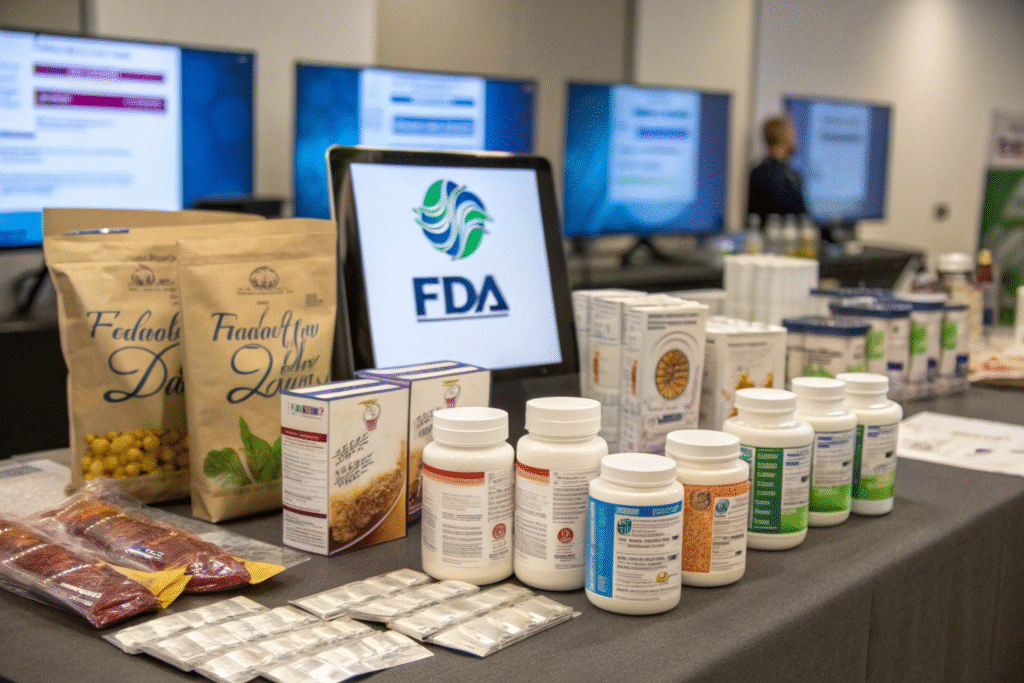
The FDA Labeling Requirements cover nutritional facts, ingredient lists, expiration dates, and health claims. Products without proper labels may face detention or destruction.
How do forwarders prevent labeling errors?
They work with suppliers to update labels, confirm certifications, and prepare compliance checklists. Some forwarders follow guidelines from the International Chamber of Commerce to align packaging standards across global markets.
Reducing Delays, Rejections, and Penalties
Non-compliance with FDA regulations can result in severe consequences, from costly delays to total cargo rejection.
Freight forwarders minimize risks by performing pre-checks, maintaining compliance records, and training clients on FDA requirements.
What are the consequences of failing FDA compliance?
Goods may be detained, destroyed, or returned to the origin country. The U.S. Food and Drug Administration has authority to penalize importers for non-compliance, which can also harm brand reputation.
How do forwarders protect businesses from risks?
They conduct compliance audits, review shipping paperwork, and ensure FDA filings match cargo details. Many also recommend cargo insurance, guided by standards like TAPA, to protect against unexpected losses.
Conclusion
FDA compliance is a vital part of importing regulated goods into the United States. Freight forwarders play a key role by preparing prior notices, coordinating with customs brokers, ensuring labeling accuracy, and reducing the risk of rejections. For importers in industries like food, cosmetics, and pharmaceuticals, a reliable freight forwarder is not just a logistics provider—it’s a compliance partner that ensures smooth entry into the U.S. market.