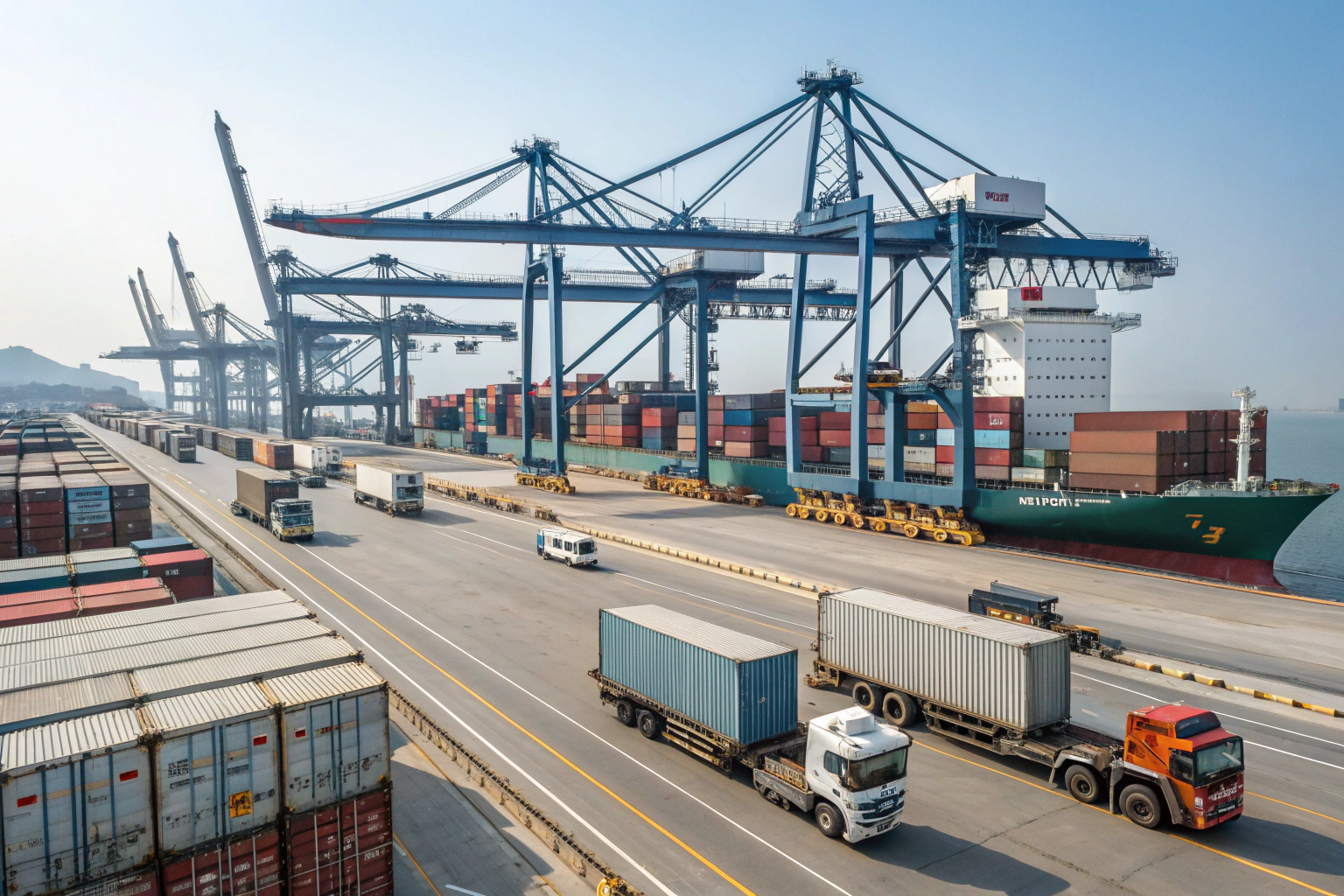
When global trade lanes are disrupted by tariffs, many U.S. importers face escalating costs and uncertainty. Recent policy changes, including the U.S. imposing higher duties on select trade corridors like India–U.S., have amplified this volatility. Yet, China’s port efficiency and stable shipping infrastructure continue to offer a counterbalance — helping U.S. importers maintain predictable landed costs despite turbulence elsewhere.
Understanding Tariff Risk and Freight Cost Impact
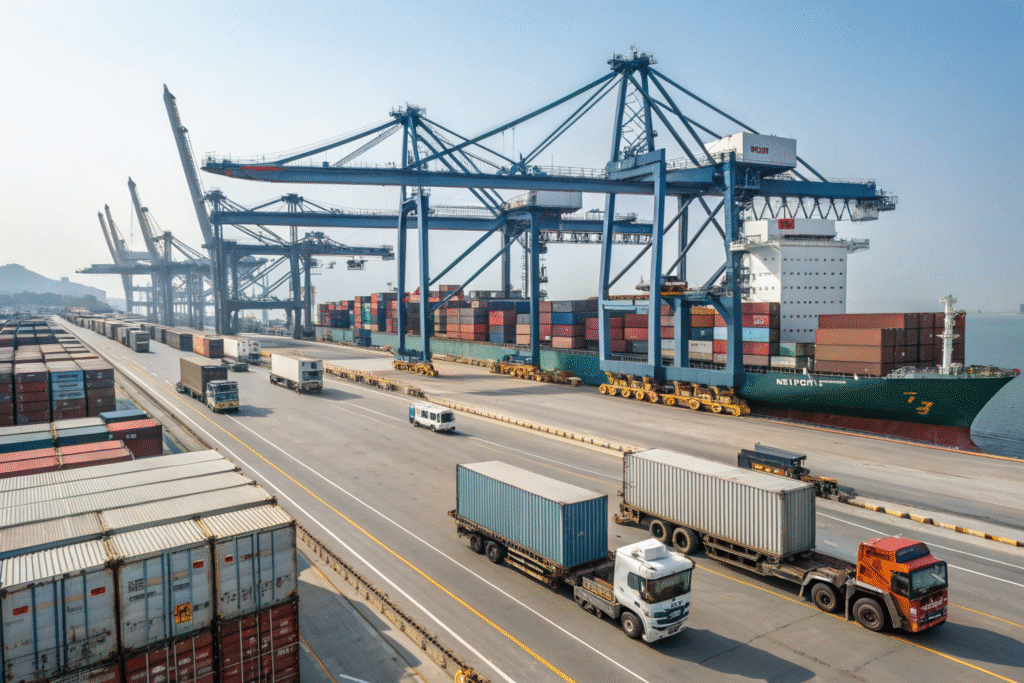
The Chain Reaction of Tariffs
Tariff hikes don’t just increase duties — they ripple through the entire freight ecosystem:
- Higher cargo value raises insurance premiums.
- Sudden demand shifts strain vessel capacity.
- Uncertainty forces importers to book at higher spot rates instead of stable contracts.
For example, a 40’ FCL shipment worth $80,000 could see an immediate 15–20% cost jump after a tariff announcement — even before the cargo sails.
Why Some Routes Absorb Shocks Better
Lanes with large, consistent capacity — like China–U.S. — benefit from competitive carrier pricing and well-developed infrastructure, making them less sensitive to sudden policy changes compared to smaller-volume corridors.
How China’s Port Efficiency Creates Cost Stability
Automation & Throughput
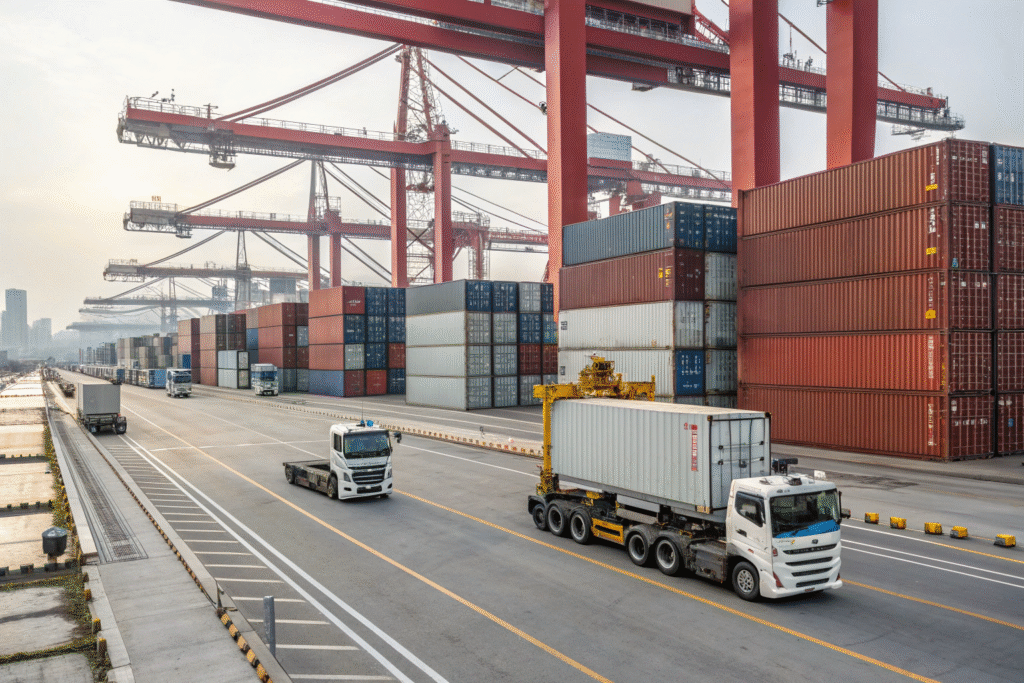
Top Chinese ports like Shanghai, Ningbo, and Shenzhen are among the world’s most automated, reducing delays and keeping freight schedules predictable. Automated stacking cranes, AGVs (Automated Guided Vehicles), and AI-powered yard management help minimize turnaround times.
Example: Shanghai’s Yangshan Deep-Water Port averages less than 48 hours from vessel arrival to container release for compliant shipments.
Lower Risk of Congestion
Because China’s ports handle high throughput daily, they have the equipment and staff to manage seasonal peaks without severe rate spikes.
LCL & FCL Advantages for US Importers
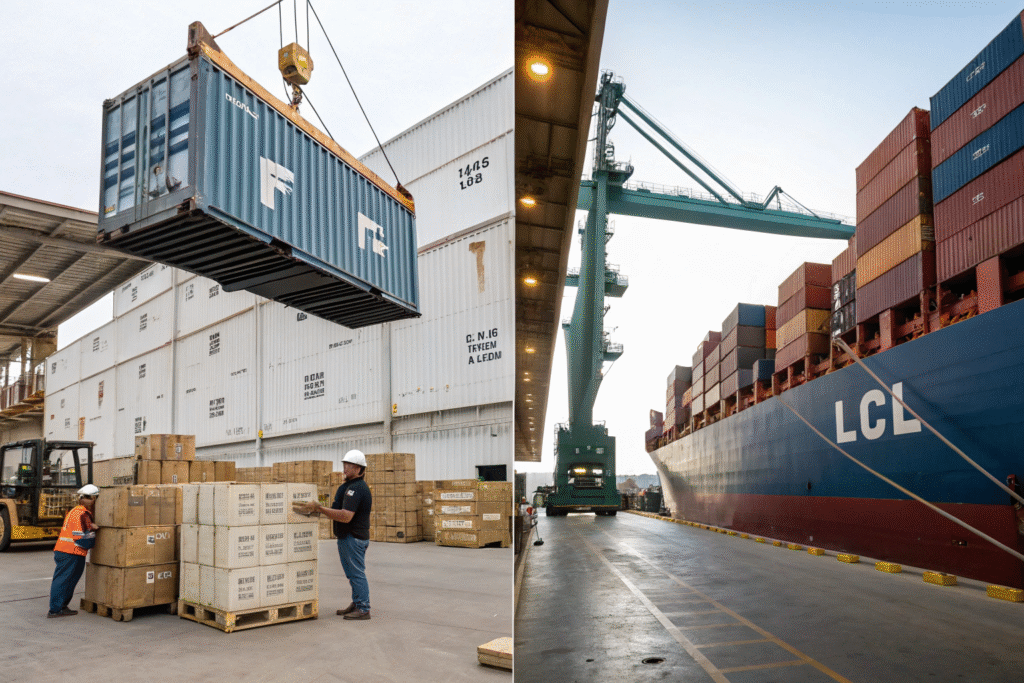
- FCL (Full Container Load): Secures fixed per-container pricing and priority loading, ideal for high-volume importers wanting to lock in freight rates.
- LCL (Less than Container Load): Flexible for smaller shipments, with consolidation hubs in major Chinese ports offering competitive per-cubic-meter pricing.
By pairing the right load type with the right lane, U.S. importers can reduce their exposure to unpredictable surcharges.
Using DDP to Neutralize Tariff Surprises
What DDP Offers
Delivered Duty Paid (DDP) shipping allows the seller or freight forwarder to absorb all duties, customs fees, and inland delivery costs. For U.S. importers, this means:
- A single, predictable invoice.
- No mid-transit cost escalation from new tariffs.
- Faster clearance due to pre-arranged paperwork.
Cost Example:
Even if DDP pricing is 8–12% higher than a standard FOB arrangement, the cost certainty often outweighs the risk of sudden tariff-driven increases.
Final Takeaways for U.S. Importers
- Leverage high-volume, stable lanes like China–U.S. to reduce exposure to tariff volatility.
- Select load type strategically — FCL for rate locks, LCL for flexibility.
- Consider DDP agreements for predictable landed costs.
- Partner with forwarders who have on-ground teams at Chinese ports for faster inspections and better carrier allocations.
With tariffs on other trade corridors making costs unpredictable, China’s port efficiency and route stability offer a reliable anchor for U.S. importers seeking long-term supply chain resilience.