Running a small business means every dollar and every hour counts. Many business owners struggle with hidden costs, long transit times, and complicated customs procedures when importing from overseas. Without the right logistics support, shipments can get delayed, which affects cash flow and customer satisfaction.
The best way to handle international shipping for small businesses is to use a reliable door-to-door sea freight service. This option ensures that one provider manages pickup, customs clearance, sea freight, and final delivery, making the process simple and predictable.
I have worked with many small importers over the years, and I have seen how the right freight solution helps them grow faster. Let’s look at the most important aspects of choosing the right door-to-door sea freight services.
Why Choose Door-to-Door Sea Freight for Small Businesses?
Small businesses often lack the manpower to manage multiple logistics vendors. Door-to-door (D2D) services are designed to solve this pain point.
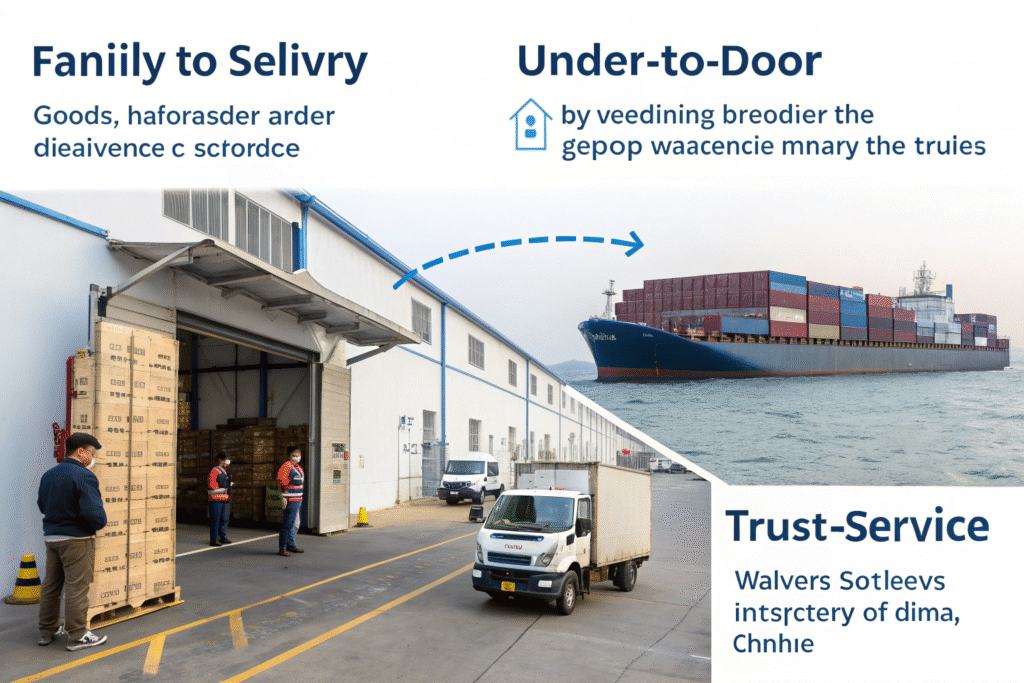
Door-to-door sea freight offers all-in-one solutions where the freight forwarder takes care of the entire journey, from supplier pickup in China to final delivery in the U.S. warehouse.
With this model, small companies avoid miscommunication and unexpected charges. They get one contract, one price, and one point of contact, which saves time and effort.
How does door-to-door reduce risks?
Door-to-door reduces risks by ensuring seamless coordination between origin and destination. Since one party is responsible, there is less chance of cargo being delayed at ports. Companies like CUC Freight and Sailon Logistics highlight the advantage of single-provider responsibility.
Why is it cost-effective for small businesses?
D2D services often include LCL (Less than Container Load) options, which are cheaper for smaller shipments. Providers like China Top Forwarder specialize in helping startups and small importers reduce shipping costs.
Top Door-to-Door Sea Freight Providers
Several companies offer professional D2D services tailored for small business owners.
The best providers stand out by offering transparent pricing, reliable transit times, and customer-focused services.
Which providers are best for affordability?
China Top Forwarder provides competitive LCL consolidation services, saving 40–60% compared to traditional shipping. Another option is Top China Freight, which offers AI-driven cost calculation tools for small importers.
Which providers specialize in e-commerce?
For e-commerce sellers, especially Amazon FBA shippers, CUC Freight is a strong choice. They provide barcode labeling, packaging, and last-mile delivery solutions. Forest Shipping also focuses on e-commerce, offering customs-friendly D2D options.
How to Save Money with Door-to-Door Services
For small business owners, managing cash flow is critical. Even small savings on freight can make a huge difference.
The best strategies for saving include shipment consolidation, early booking, and choosing transparent providers that offer all-inclusive pricing.
The right freight partner helps you avoid hidden fees like demurrage and port handling surcharges.
Why is consolidation important?
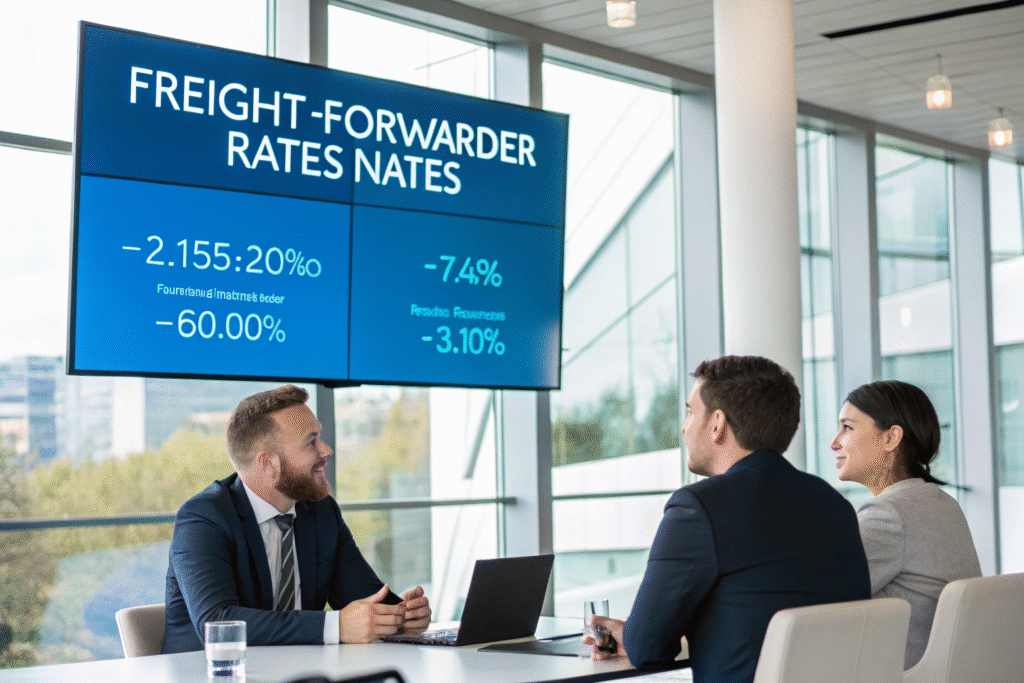
Consolidation services group multiple small shipments together, reducing costs per unit. Providers like Flexport and Freightos explain that cargo consolidation is one of the smartest strategies for small importers. Many forwarders also work under NVOCC (Non-Vessel Operating Common Carrier) agreements, which provide access to better vessel space and rates.
How does transparent pricing help budgeting?
Transparent pricing includes customs clearance, delivery, and port fees in one quote. Companies like XMAE Logistics are known for offering flat-rate solutions that protect small businesses from unexpected charges. A key part of this is understanding the Incoterms (International Commercial Terms) under which goods are shipped, ensuring no hidden obligations remain for the buyer.
What to Look for in a Reliable Freight Forwarder?
Not all providers are the same. Choosing the right freight forwarder can determine whether your business runs smoothly or faces constant shipping headaches.
A reliable freight forwarder should have industry certifications, strong carrier partnerships, and local expertise at both origin and destination.
From my experience, the most successful small business importers build long-term relationships with their logistics partners.

What certifications should you check?
Forwarders with memberships in FIATA or WCAworld usually follow international standards. Licensed NVOCCs often have stronger negotiating power with shipping lines, which benefits small clients. For compliance, forwarders may also provide guidance on the HS code (Harmonized System code) to classify goods correctly during customs clearance.
Why are local connections important?
Strong ties with customs officials and port staff can prevent delays. Articles from the Journal of Commerce show how forwarders with good port relationships reduce risks of cargo being held or delayed unnecessarily. In many cases, these connections help reduce demurrage charges, saving small businesses significant costs.
Conclusion
For small business owners, shipping does not need to be complicated. Door-to-door sea freight simplifies the process, saves money, and provides peace of mind. With the right partner, you can focus on running your business while your logistics are handled by experts.
Whether you need affordability, e-commerce specialization, or reliable all-in-one solutions, providers like China Top Forwarder, CUC Freight, XMAE Logistics, and Sailon Logistics are among the best choices. A professional forwarder is not just a service provider but a partner in your growth.