Cargo theft has evolved into a sophisticated, organized criminal enterprise costing global supply chains billions annually, but fortunately, technological countermeasures are advancing even faster. As a freight forwarder who has helped clients navigate theft prevention in high-risk corridors, I've witnessed firsthand how next-generation technologies are transforming cargo security from reactive tracking to proactive prevention. The landscape has shifted dramatically from basic locks and seals to intelligent systems that predict, deter, and respond to theft attempts in real-time.
Yes, there are numerous new technologies to prevent cargo theft, including AI-powered predictive analytics, blockchain-enabled smart contracts, advanced geofencing with real-time alerts, biometric container access controls, and integrated sensor networks that detect unauthorized entry. These systems work together to create multiple layers of protection that deter thieves, enable rapid response when incidents occur, and provide valuable data for prosecuting organized theft rings.
The most effective cargo security now combines physical deterrents with digital intelligence and rapid response capabilities. Let's examine the specific technologies that are revolutionizing cargo theft prevention.
How Does AI and Predictive Analytics Prevent Theft?
Artificial intelligence transforms theft prevention from reactive to proactive through pattern recognition and risk prediction.

What Predictive Capabilities Does AI Offer?
Historical pattern analysis identifies high-risk routes and times. AI systems analyze years of theft data to identify patterns—specific highway exits, time windows, and cargo types most frequently targeted—enabling proactive rerouting or enhanced security during vulnerable periods.
Real-time anomaly detection flags suspicious activities. Machine learning algorithms monitor normal transit patterns and immediately flag deviations—unexpected stops, route diversions, or unusual door openings—that might indicate theft in progress.
How Does Behavioral Analysis Enhance Security?
Driver behavior monitoring identifies potential insider threats. Systems analyzing driving patterns, stop frequency, and route compliance can flag behaviors that might indicate driver collusion with theft rings, enabling intervention before incidents occur.
Geospatial risk scoring dynamically adjusts security levels. AI algorithms continuously assess theft risk based on location, time, local crime data, and even weather conditions, automatically increasing monitoring or triggering alerts when entering high-risk zones.
What Role Does Blockchain Play in Cargo Security?
Blockchain technology creates immutable records that prevent document fraud and enable secure supply chain transparency.

How Do Smart Contracts Prevent Theft?
Automated verification requirements at each transfer point. Smart contracts can require biometric or digital verification at each handoff, preventing unauthorized parties from taking possession of cargo by falsifying documents or identities.
Tamper-proof documentation eliminates paperwork fraud. Bill of lading, proof of delivery, and other critical documents secured on blockchain cannot be altered or forged, preventing common theft methods that rely on document manipulation.
What Transparency Advantages Does Blockchain Offer?
End-to-end custody tracking creates accountability. Every custody transfer is permanently recorded on the blockchain, creating an auditable trail that deters insider theft and makes stolen goods harder to legitimize in secondary markets.
Secure data sharing among authorized parties. While maintaining security, blockchain enables controlled information sharing between shippers, carriers, receivers, and law enforcement, improving coordinated response to incidents.
How Do Advanced Tracking and Monitoring Systems Work?
Next-generation tracking goes far beyond basic GPS to provide comprehensive cargo monitoring.

What Multi-Sensor Systems Provide the Most Protection?
Integrated sensor packages monitor multiple threat vectors. Modern systems combine GPS, door sensors, light detectors, temperature monitors, tilt sensors, and shock detectors to provide complete cargo condition awareness throughout transit.
Cellular and satellite redundancy ensures continuous tracking. Dual-communication systems maintain coverage even in areas with poor cellular service, with automatic failover between networks to prevent tracking gaps thieves might exploit.
How Do Real-Time Alert Systems Enable Rapid Response?
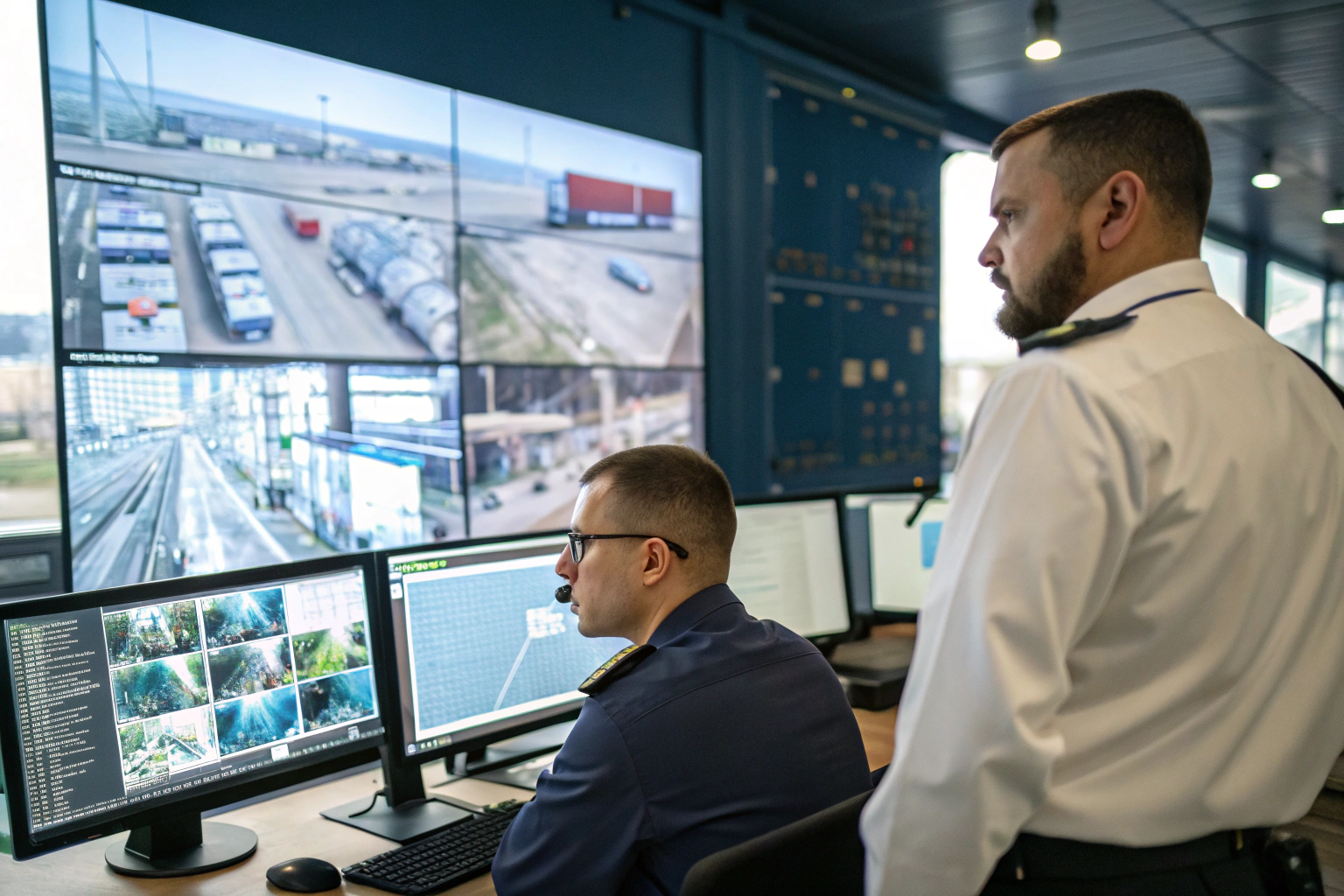
Instant notification protocols trigger immediate action. When sensors detect unauthorized access or deviations from plan, systems automatically alert security teams, law enforcement, and drivers simultaneously, maximizing response speed.
Automated escalation procedures based on threat level. Systems can distinguish between minor anomalies and serious threats, escalating appropriately from driver notifications to direct law enforcement engagement for confirmed theft situations.
What Physical Security Technologies Are Evolving?
While digital solutions advance, physical security technologies are also becoming smarter and more integrated.

How Do Smart Locks and Seals Prevent Unauthorized Access?
Biometric container locks require authorized personnel authentication. Fingerprint, facial recognition, or iris scanning locks ensure only pre-authorized individuals can open containers, with each access attempt logged and reported in real-time.
Electronically monitored seals detect and report tampering. Smart seals not only secure containers but immediately transmit alert if cut, removed, or otherwise compromised, providing early warning of theft attempts.
What About Vehicle and Trailer Security?
Integrated vehicle security systems protect entire transport units. Beyond container security, advanced systems monitor tractor and trailer integrity, including landing gear sensors, fifth wheel locks, and fuel tank protections that deter whole-trailer theft.
Remote immobilization capabilities enable proactive theft response. Authorized security personnel can remotely disable vehicles when theft is confirmed, preventing criminals from moving stolen cargo far from the theft location.
How Can Data Integration and Analytics Improve Prevention?
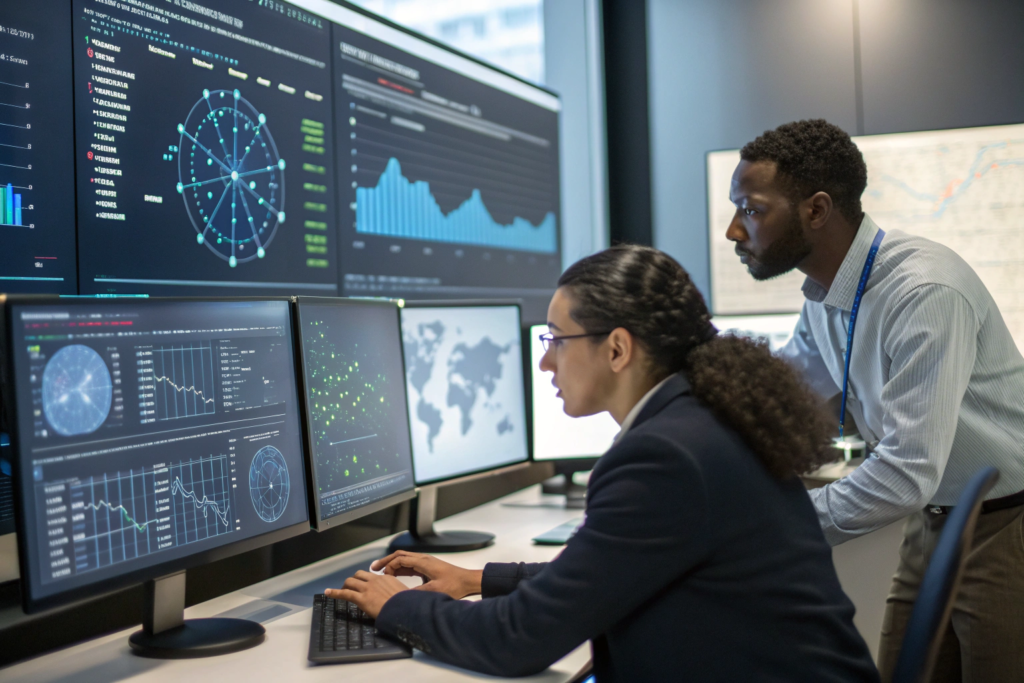
Comprehensive data integration transforms multiple data streams into actionable security intelligence.
What Data Integration Strategies Are Most Effective?
Cross-platform data aggregation creates comprehensive visibility. Integrating data from tracking systems, warehouse management, transportation management, and external threat intelligence creates a complete security picture no single system can provide.
Law enforcement data sharing improves regional threat awareness. Secure systems that share anonymized theft data with law enforcement and industry groups help identify organized theft patterns and improve regional security coordination.
How Does Analytics Turn Data into Prevention?
Predictive route optimization avoids high-risk areas. Analytics systems can recommend routes that balance efficiency with security, automatically avoiding areas with recent theft activity or known security vulnerabilities.
Security investment optimization focuses resources effectively. Data analysis identifies which security measures provide the best return for specific cargo types, routes, and threat profiles, enabling smarter security spending.
What Implementation Strategies Maximize Technology Effectiveness?
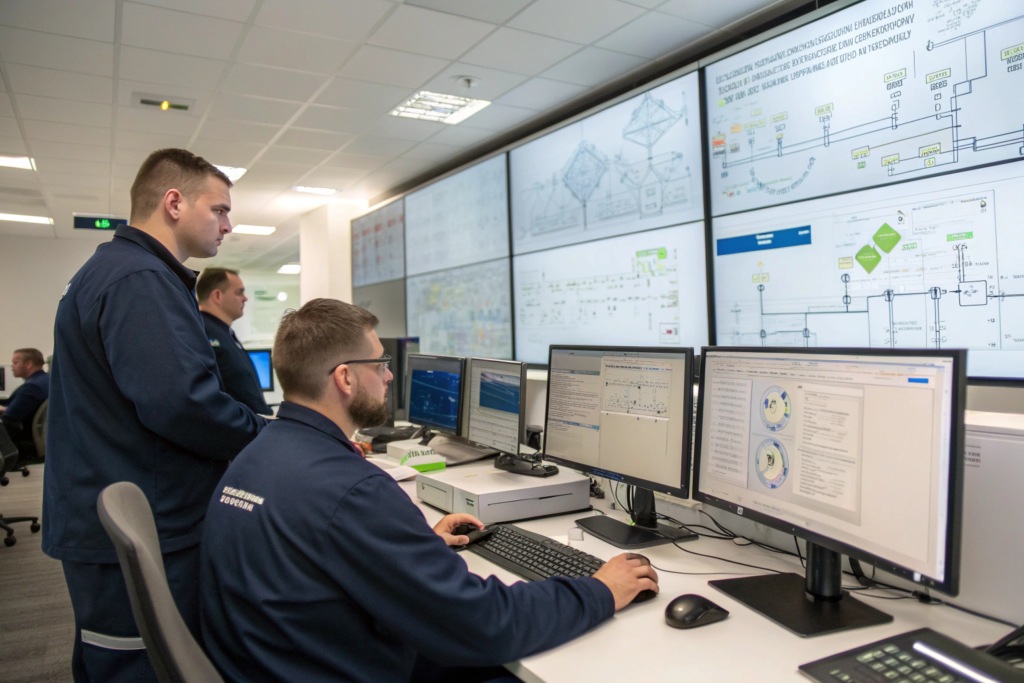
Successful technology implementation requires strategic planning and organizational adaptation.
How Should Companies Phase Technology Implementation?
Layered approach implementation builds protection progressively. Start with foundational tracking and alerts, then add predictive analytics, followed by advanced physical security integrations, ensuring each layer is fully operational before adding complexity.
Pilot programs validate effectiveness before full rollout. Test new technologies on high-value or high-risk shipments first to validate performance and refine implementation before broader deployment.
What Training and Process Changes Support Technology?
Cross-functional team training ensures proper utilization. Train not just security personnel but also drivers, dispatchers, and warehouse staff on new technologies and their roles in the enhanced security ecosystem.
Process integration embeds technology into daily operations. Revise standard operating procedures to incorporate new security technologies into routine checkpoints, inspections, and handoff procedures.
Conclusion
New technologies are revolutionizing cargo theft prevention through AI-powered prediction, blockchain-enabled security, advanced tracking systems, smart physical security, and integrated data analytics. The most effective approaches combine multiple technologies into layered defense systems that deter theft attempts, enable rapid response when incidents occur, and provide valuable intelligence for continuous improvement. While individual technologies offer specific benefits, their combined implementation typically reduces cargo theft incidents by 70-90% for companies adopting comprehensive security ecosystems.
At GeeseCargo, we've helped clients implement integrated cargo security systems that typically reduce theft-related losses by 80-95% while decreasing insurance premiums by 20-40%. Our experience shows that companies viewing cargo security technology as a strategic investment rather than a cost center typically achieve the best results, with technology investments often paying for themselves within 12-18 months through reduced losses and lower insurance costs. Remember that cargo theft tactics continue evolving—maintaining technological advantage requires continuous assessment and adaptation as both threats and protective technologies advance.