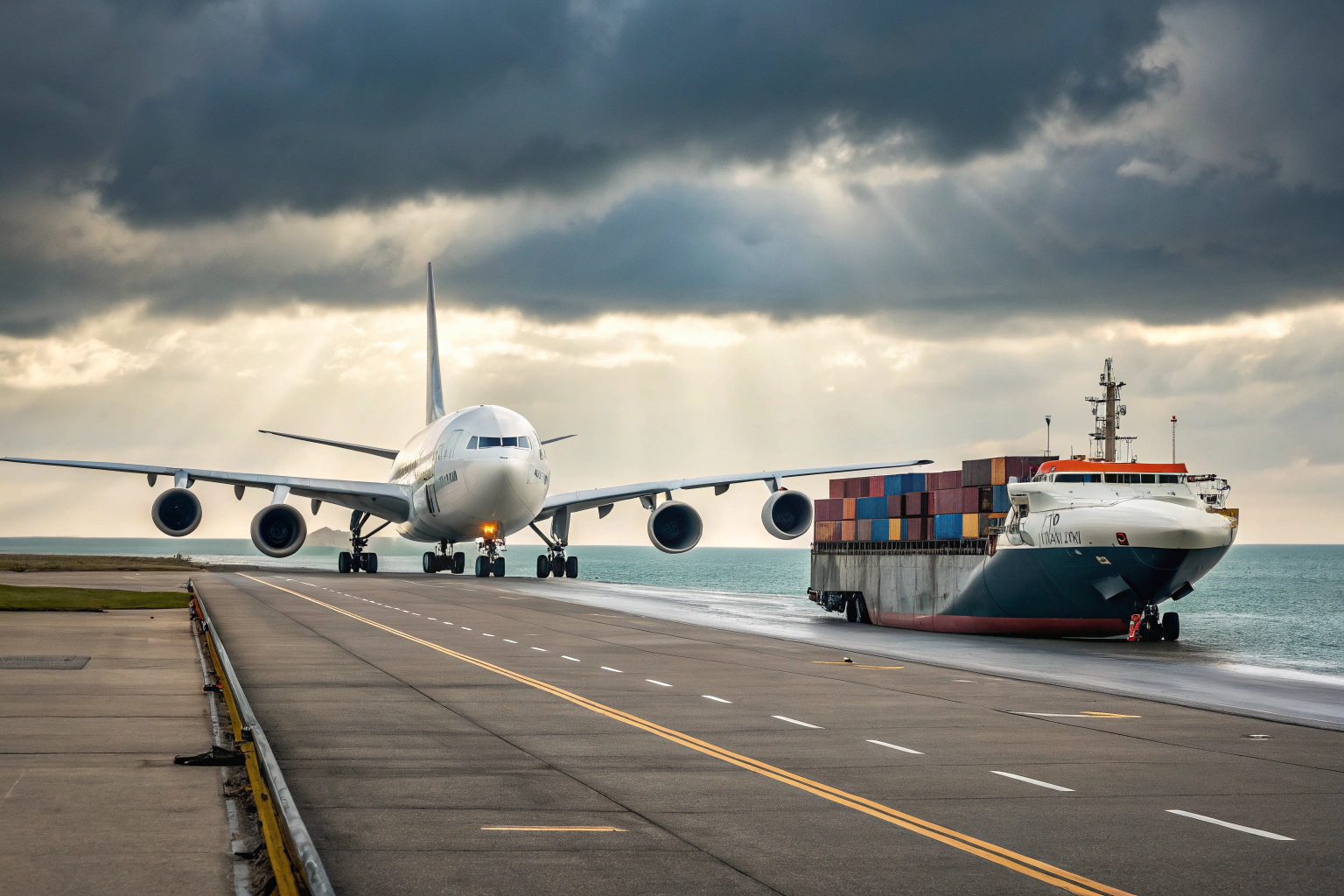
You have a budget. You have a deadline. You have a shipment of clothing, gifts, or accessories waiting in a Chinese factory. The factory manager messages you: "Goods ready. Air or sea?" This simple question triggers a cascade of anxiety. If you choose wrong, you lose margin. If you choose wrong, you miss the sales window. If you choose wrong, you disappoint your retail buyers.
At GeeseCargo, I never give you just one option. I give you a decision matrix. I have moved freight through the air and across the ocean for American and European routes for many years. I know when the expensive air ticket actually saves you money. I know when the slow boat actually kills your business. There is no universal right answer. There is only the right answer for this specific shipment. Air freight is not just "fast." Ocean freight is not just "cheap." They are two different financial instruments for your inventory. Let me walk you through the exact calculation I use with my clients so you can make the right call every time.
When Should You Choose Air Freight Over Ocean Shipping?
You think air freight is just an emergency button. You are underestimating it. Smart businesses use air freight as a cash flow tool. You pay more for the transport, but you unlock your money faster. You turn a purchase order into a sale in 8 days instead of 38 days. That 30-day gap is expensive. Money tied up on a ship is money you cannot use to pay your suppliers or develop new samples.
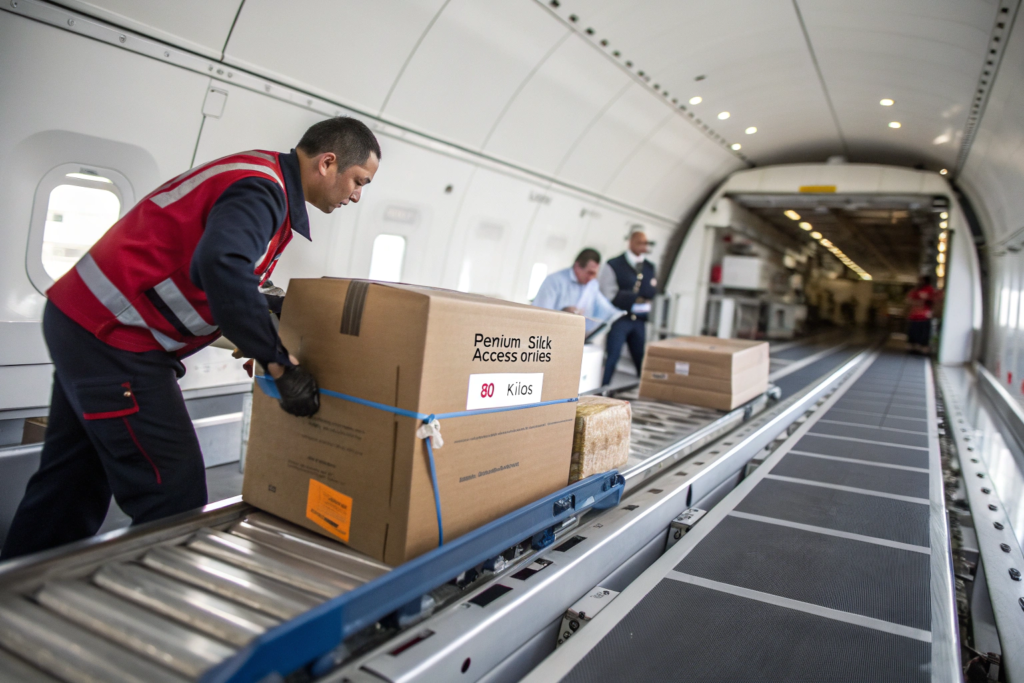
I recommend air freight when the cost of being late is higher than the cost of the ticket. If you have a launch date with a big box retailer, and they fine you 5% of the invoice value for a late delivery, suddenly a 3-dollar air freight unit cost looks cheap compared to a 50-dollar chargeback. I also push air freight for high-value, low-weight goods. A shipment of premium silk accessories weighing 80 kilos does not cost 5,000 dollars to fly. It costs maybe 400 dollars. The speed gives you prestige and flexibility.
Let’s break down the specific scenarios where the airplane is your best financial partner.
How Does "Total Landed Cost" Make Air Freight a Smart Choice?
You look at the price per kilogram. Air is 5 dollars. Ocean is 0.80 cents. You stop there. That’s a mistake. You must calculate the total landed cost. This number includes the duties, the broker fees, the warehouse storage, and the interest on your inventory.
When I run a landed cost analysis for my clients, I often find the gap shrinks significantly. Ocean freight requires you to hold more safety stock in your US warehouse. That stock costs money to store. It needs insurance. It risks obsolescence. Air freight allows you to operate a leaner inventory model. You ship what you sold, not what you hope to sell. This reduction in warehouse carrying costs can offset the higher freight rate entirely. I help you look at the whole picture, not just the spot rate on a screen.
What Types of Products Are Naturally Suited for Air Cargo?
Not all products should fly. Heavy, cheap products sink on an airplane. Light, expensive products soar. If your product value exceeds 25 dollars per kilogram, air freight starts making mathematical sense. Think about high-end fashion accessories, custom corporate gifts, or delicate prototypes.
I look at the value density of your shipment. A box of ceramic mugs is dense and cheap. A box of titanium travel mugs is light and expensive. The latter is a perfect candidate for air. We also need to think about security. Air freight involves tighter security screening and less physical handling. If you have goods that are easily crushed or stolen at a crowded port, the enclosed, monitored environment of an Air Cargo Terminal is safer. The insurance premiums are lower for air transit, which further closes the budget gap. I always ask you one question: "Can your product pay for the flight while still making a profit?" If yes, we book the plane.
How Can Ocean Freight Maximize Your Long-Term Shipping Budget?
Patience is a competitive advantage. When you can plan 60 days ahead, you unlock the deepest discounts in the logistics world. Ocean freight is not just transport. It is warehousing on water. The ship becomes your moving storage unit. This allows you to manufacture large batches, which lowers your per-unit factory cost. You combine cheap production with cheap transport. That is the secret of the big brands.
I love moving containers. I love the rhythm of the ocean schedule. It forces discipline. It forces your team to plan purchasing properly. I help you commit to a seasonal ocean program. By booking space with me for four containers a month, you get a fixed long-term contract rate that is immune to the crazy spot market spikes we saw during the pandemic. This predictability is the ultimate budget saver. You are not gambling on the price of fuel or the availability of space. You lock in your logistics cost, and you can price your products with absolute certainty.
Ocean freight is a strategic weapon. Here is how you wield it properly.
Why Is FCL Shipping Cheaper Than LCL for Large Volumes?
You ship 15 cubic meters. You book LCL. You pay for the cubic meter. You ship 55 cubic meters. You book a Full Container Load. You pay for the box itself, regardless of whether it’s full. The math shifts dramatically.
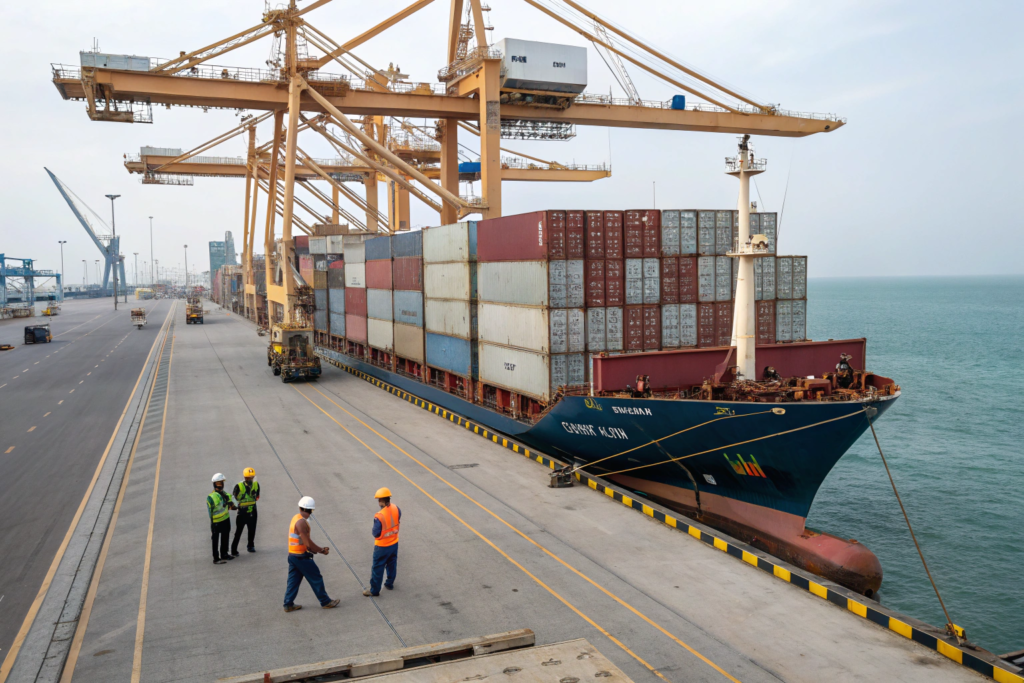
When your volume crosses the threshold of roughly 20 cubic meters, I strongly recommend you look at the FCL rate. The cost per cubic meter inside a dedicated 40-foot container is significantly lower than a shared box. You also avoid the high destination handling charges that LCL imposes at the Container Freight Station. Plus, you eliminate the risk of your goods being damaged by a stranger’s poorly packed freight. I tell my growing clothing brands to aim for the FCL sweet spot. Even if you haven’t quite filled it, we can analyze the "air in the box" cost. Often, paying for the empty space in your own container is cheaper than paying for the exact space in a groupage box. It sounds strange, but the math works.
How Do You Avoid Port Congestion Surcharges on Ocean Shipments?
You budget 3,000 dollars for the freight. The ship sits outside Savannah for nine days. You get a 600-dollar congestion surcharge bill. Your budget is now blown. This is the most frustrating hidden cost in ocean freight today.
I cannot control the weather. I cannot control labor strikes. But I can control the routing. When you use GeeseCargo, we analyze the port congestion index before booking. If Los Angeles is backed up, we might route your container to Oakland or Seattle and use rail for the final leg. This diversion has a cost, but it is a planned cost, not a surprise penalty. We also use our relationships with the terminal operators to get priority unloading slots. This gets your box off the ship faster, avoiding the "dwell time" charges. The key to budget control in ocean freight is not hoping for a smooth sail. It is having a backup port ready.
What Are the Hidden Risks of Delaying Your Shipment Decision?
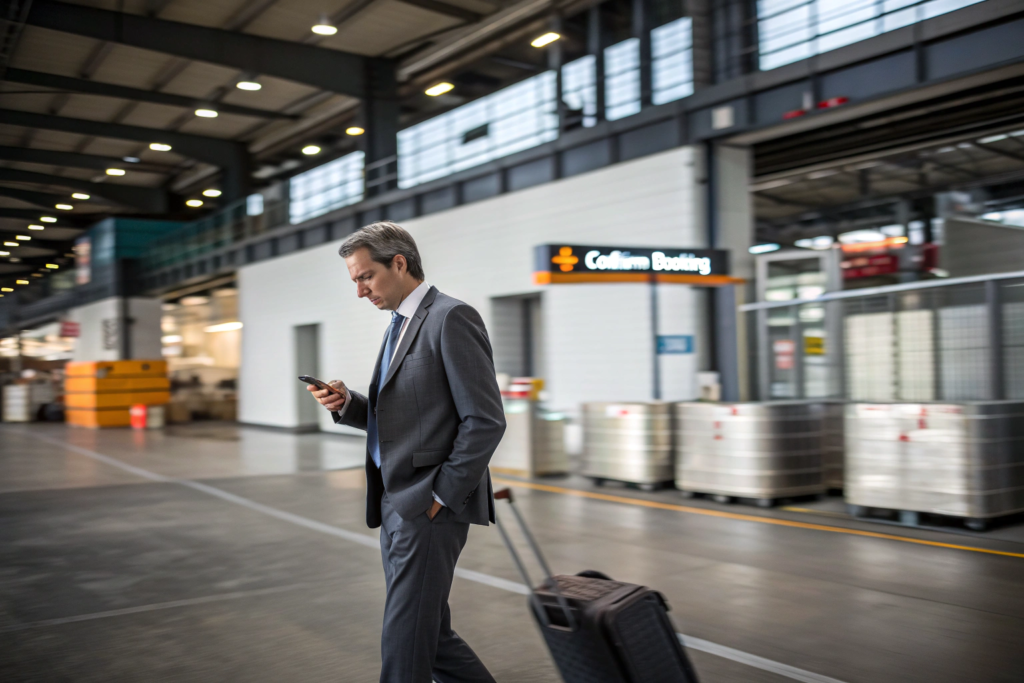
The worst decision is no decision. You go back and forth between air and sea. You ask for three quotes. You wait a week. In that week, the vessel space sells out. In that week, the air rate spikes because it’s the end of the month. The goods sit in a Chinese warehouse, and you pay storage rent.
I see this hesitation kill budgets more than any bad rate. Indecision creates a phantom cost. It forces you to book the most expensive option in a panic. If you miss the ocean cut-off date, you must fly the goods. The budget jumps by 400%. This is not a planning problem. This is a psychological problem. At GeeseCargo, we set a "decision deadline" for every shipment. I look at your delivery date and back-calculate. "Ron, if we don’t book the vessel by next Tuesday, we automatically switch to the premium air consolidation." I force the decision because the real hidden cost is the loss of choice.
Let’s look at the specific financial traps that indecision lays for you.
How Do Peak Season Deadlines Destroy Your Freight Budget?
September arrives. The Christmas rush starts. The air cargo space is consumed by giant tech companies buying up every pallet position. The ocean vessels are overbooked by 30%. You didn’t book early because you were waiting for a better price. Now, the only available option is a "premium guarantee" rate that is double the normal cost.
This happens every single year. I call it the Peak Season Surcharge shock. To avoid it, we need to make decisions in June for September. I urge my clients to look at the shipping calendar 90 days out. If you know you have 5,000 units of gifts coming, we secure the allocation early. Sometimes we even roll the dice on a lower early-bird rate. I would rather you cancel a booking (with a small fee) than try to find a booking during the chaos. The premium you pay for last-minute space is the harshest penalty in freight.
Can Splitting Your Shipments Save Both Time and Money?
Stop thinking in binary. Air or sea. Why not both? If you have 2,000 units of a new dress, send 200 by air to create the "hype" and fulfill the immediate online orders. Send the remaining 1,800 by ocean to refill the shelves at a low cost.
This is the hybrid strategy. It takes more management, but it optimizes the budget perfectly. We send a pallet via express air freight to cover the launch week. The profit from those full-price sales pays for the air freight. Meanwhile, the ocean container acts as the restocking wave. I manage this split meticulously. We label the boxes "AIR" and "SEA" in our China warehouse. We ensure the Commercial Invoice is perfectly split for customs. This strategy eliminates the hidden cost of stockouts without bankrupting your logistics budget. It’s a smart way to use fast cash flow to pay for fast shipping.
How Does GeeseCargo’s Multi-Modal Strategy Optimize Your Money?
The world is not just air and water. The rail link from China to Europe is changing the game. For the US market, we use a sea-air hybrid via transit ports. You need to stop thinking in silos. As your partner, I think about the physical movement of the atom, not just the mode of transport.
My multi-modal strategy asks a simple question: "Where should the speed happen?" Pure ocean is too slow for a trending product. Pure air is too expensive for a restock. But what if we truck the goods from the factory to a secondary airport to get a cheaper air rate? What if we ship your Asian-manufactured goods to the US East Coast by ocean to the West Coast and then rail them across? The savings are substantial. The Intermodal approach reduces the long-haul trucking cost and bypasses the driver shortage. I use my contacts in the rail depots to make sure the transfer is invisible to you. You see one price. You see one transit time. Behind the scenes, we are weaving a network to save you money.
Here is the specific multi-modal magic we deploy for US and European routes.
How Does Sea-Air Combined Transport Reduce Your Costs?
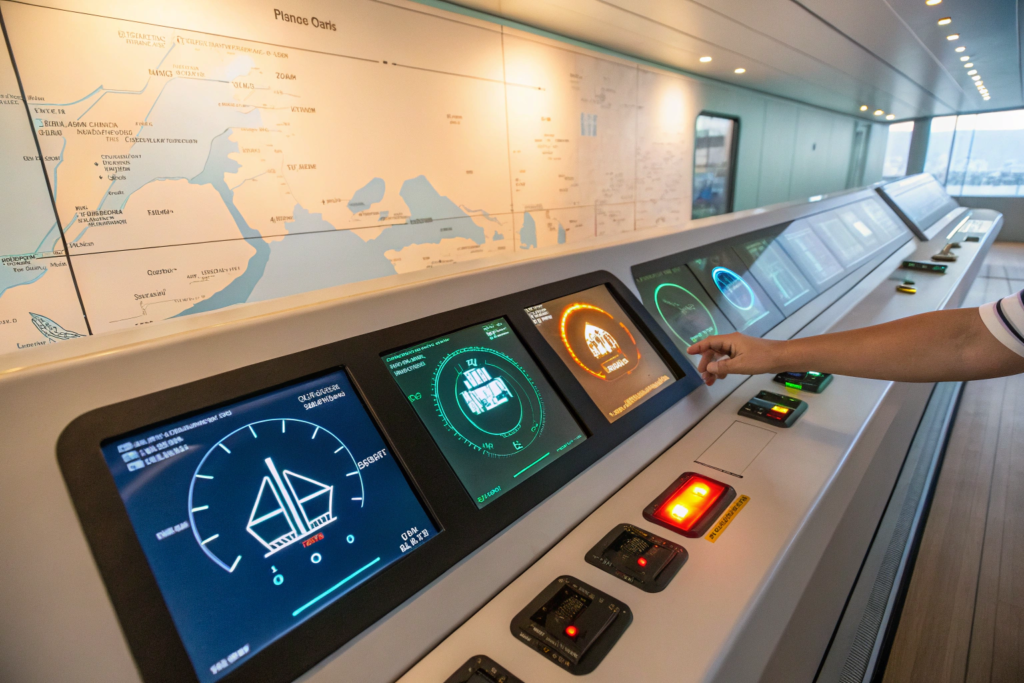
Direct air from China to the East Coast is premium priced. But what if your shipment takes a short ocean voyage to a hub like Dubai or Singapore, and then flies from there? The freight rate drops significantly.
This is sea-air logistics. It takes longer than pure air but is faster than pure ocean. It skips the Pacific Port Congestion. For European and US East Coast destinations, this is a brilliant middle ground. The ocean leg handles the heavy lifting cheaply, and the air leg handles the speed. I use this for fashion items that have a margin pressure. We save about 20% to 30% compared to direct air. The transit time sits nicely in the middle at around 15 days. It is a powerful tool to eliminate the hidden cost of choosing between only two speeds. I call it the "third way."
Why Is Rail Freight a Reliable Bridge for Your Supply Chain?
For clients shipping from China to Europe, the railway is the hidden champion. It costs roughly 40% less than air freight, and it delivers in 15 to 18 days, compared to 35 days on the water. It is immune to the Suez Canal blockages that paralyze ocean trade.
For your goods moving into the American market, the rail link is crucial on the domestic side. Once the container hits Long Beach, we don’t truck it. We put it on the train. It costs less than a Long Haul Trucker and has a lower carbon impact. The key is the handshake between the ship and the train. If the rail ramp is busy, you pay demurrage waiting for a rail car. We eliminate that by booking the rail connection 48 hours before the vessel docks. This is the precision that saves money. It prevents your container from dying at the Intermodal Terminal.
Conclusion
Air freight versus ocean freight. It is not a fight. It is a partnership. The question "Which do you recommend?" has a clear answer: I recommend using both. I recommend using them strategically, timed to your cash flow, and integrated with rail and road.
We started this conversation with you worrying about your budget. I hope you now see that your budget is not fixed. It is flexible. It responds to smart routing decisions. When you pay for air, don’t just think of the cost. Think of the rapid return on investment. When you pay for ocean, don’t just think of the slowness. Think of the mass accumulation of wealth at a low burn rate. When you are paralyzed by choice, remember that doing nothing is the most expensive decision of all.
My job at GeeseCargo is not to sell you a ticket. It is to manage your inventory velocity. A shipment of clothing is not just fabric crossing a border. It is cash in motion. Fast cash can afford to fly. Patient cash can afford to sail. I build the lane that matches your cash cycle.
Let’s map out your next 12 months. We will mark the launch dates, the restock dates, and the factory close dates. Then we will draw the lines. Blue for air. Green for ocean. Orange for rail. That map is your profit plan. Not a rate sheet. A profit plan.
I am ready to build that map for you. Let’s stop guessing and start calculating.