Every year, the same panic sets in. You check your inventory levels against upcoming promotions, and the dates clash with Chinese New Year or Golden Week. Your supplier says the goods will be ready, but the forwarder you usually rely on goes silent. You are left staring at blank tracking screens, losing sales by the day. We have seen this pain too many times. As the owner of GeeseCargo, I have personally spent years fixing this exact problem for buyers just like you. The supply chain doesn’t have to break just because a holiday starts.
At GeeseCargo, we prevent shipping delays during Chinese holidays by pre-booking space weeks in advance, leveraging our 24/7 on-ground staff relationships at major ports, and switching modes to rail or air when sea freight hits peak backlogs. We keep your cargo moving when others stop.
You don’t need another forwarder who just takes your booking and hopes for the best. You need a partner who has already played chess three moves ahead of the holiday schedule. Let me walk you through how we do this, specifically for business owners like you shipping from China to the USA.
Why Does Sea Freight Grind to a Complete Stop Right Before Chinese New Year?
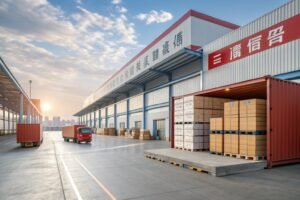
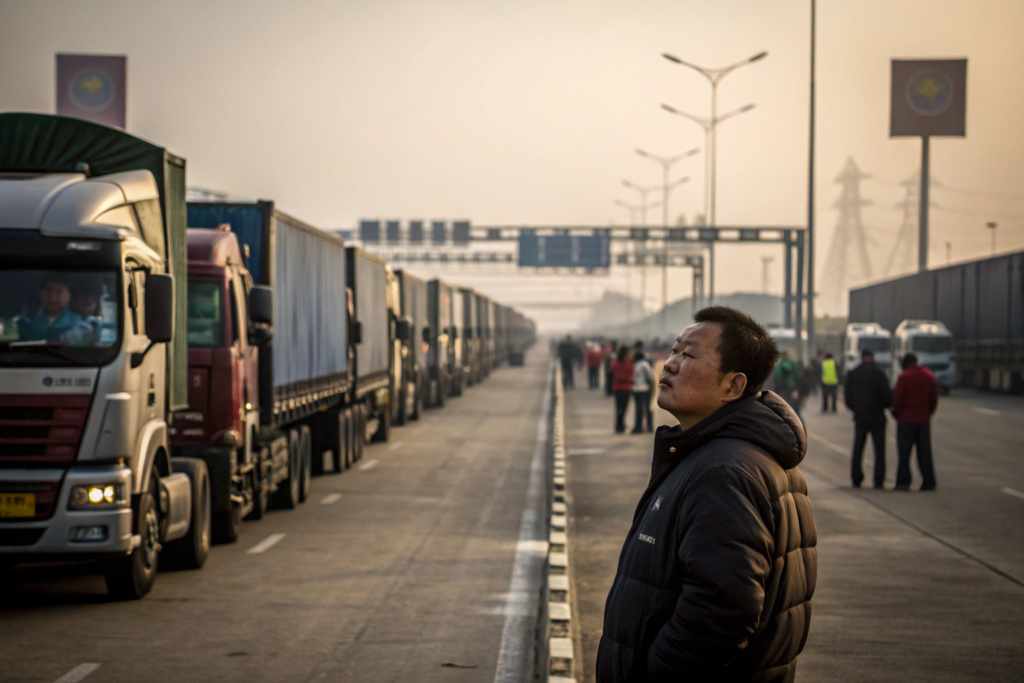
The chaos doesn’t start on the first day of the holiday. It starts three weeks earlier. Factories rush to finish orders and push everything to the port at once. This creates a massive bottleneck that catches new buyers off guard. You might think you have booked a slot, but the reality at the dock is often violent competition for space.
Sea freight stops effectively two weeks before Chinese New Year because factories shut down early, trucks become scarce, and carriers execute "blank sailings" to balance supply and demand. Without a boots-on-the-ground team, your container will get rolled to the next vessel.
I remember a specific crisis right before the Year of the Tiger. A clothing distributor from the US had ten containers of winter coats sitting in Yantian. The factory handed them over to a small broker who couldn’t secure a chassis. By the time the client called us, panicked, the temperature was dropping on the East Coast and coats were still baking under the Guangdong sun. We drove our own trusted fleet in, pulled the containers, and used a priority rail service to transfer them to a less congested gateway port. They made the cutoff by six hours. You don’t just need a booking number. You need someone to pull physical strings.
How do blank sailings actually wipe out your buffer stock?
Carriers don’t hide their blank sailings. They announce them publicly. But interpreting them requires experience. A canceled vessel isn’t just a delay. It’s a chain reaction.
Let’s look at the math of disruption during a typical peak season.
| Scenario | Standard Lead Time | Holiday Risk Reality |
|---|---|---|
| Vessel Cancellation (Blank Sailing) | 1 weekly departure missed | 3-4 weeks delay to catch the next slot |
| Equipment Shortage (Empty Containers) | Next-day pickup | 5-7 days wait, losing vessel booking |
| Customs Closure | 24/7 processing | 3-day full shutdown, piling up inspections |
You can’t afford to rely on hope. We route your urgent stock through less congested hubs when we see a blank sailing weeks ahead. By the time others realize the vessel is gone, your goods are already on a ship leaving from Ningbo. That’s the difference.
Is it safer to stockpile inventory before the month-long factory shutdown?
It sounds logical. You buy more to cover the closure. But stockpiling creates a new wave of pain if you don’t manage the outflow correctly.
If your goods sit in a China warehouse without a forwarder’s long-term storage deal, those demurrage and detention charges will destroy your profit. We negotiate annual rates with warehouses near major ports so you can gradually ship pre-stored goods during the quiet first days of the holiday. You don’t want a sudden spike in storage billing. You want a drip-feed of product to the US to match your ongoing sales velocity. Without this, your cash flow freezes as solidly as the quiet factory floors in Shenzhen.
What Immediate Alternatives Can Bypass Congested Sea Ports During Holidays?
When the sea port gates are jammed solid with trucks waiting for hours, you can’t force your way in. You need an immediate pressure release valve. Many buyers simply accept the delay. They email their customers an apology. But you don’t have to. We look at your total landed cost and often find a better way that saves your sales quarter.
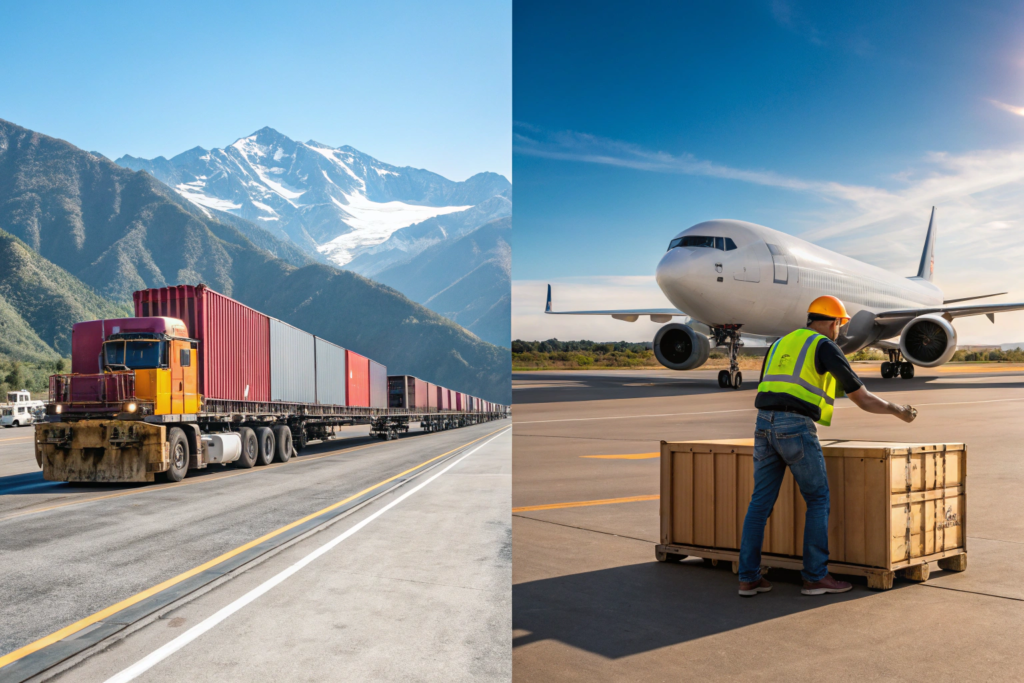
You can bypass congested sea ports immediately by switching to China-Europe Railway for urgent stock or utilizing air freight for high-value, low-volume goods. Our dual-mode contracts let us divert cargo in transit without punitive rate hikes.
A few years back, a giftware brand we serve had a box of sample holiday ornaments stuck in Shanghai during Golden Week. The boat was delayed by ten days, which would mean missing the buyer review meeting at a major retail chain in Chicago. We pulled that one cubic meter of goods from the bonded warehouse at 11 PM, shifted it to our air freight consolidation center, and it was on a plane the next morning. The cost was higher, obviously. But the cost of losing a $200,000 annual contract was infinitely higher. Real logistics is risk math. Not just shipping cost per kilo.
How fast does China-Europe rail freight connect to American supply chains?
You might think rail is only for Europe. But think of it as a global bridge. For US-bound cargo, the rail route becomes a powerful "port diversion" tool.
It doesn’t mean your container takes a train from China to New York. It means your container takes a train from a jammed Chinese port to a fluid European sea hub. From there, it catches a fast transatlantic vessel.
Consider these real transit combinations we use for holiday diversions:
| Diversion Route | First Leg (Rail) | Second Leg (Sea) | Total Transit vs. Stranded Sea |
|---|---|---|---|
| Via Duisburg | 12 days | 9 days to NYC | 21 days vs. 35+ days waiting |
| Via Malaszewicze | 10 days | 14 days to Savannah | 24 days vs. 35+ days waiting |
| Direct Air Bridge | 1 day truck | 2-3 day flight | 3-4 days total |
This is the kind of creative routing that requires a strong network of partners. We have contracts with rail operators and European last-mile agents. You get a single invoice. No fragmented chaos.
Is dedicated air freight worth the premium when inventory runs dry?
There is a moment when a stockout is imminent. Your Amazon listing is about to lose its Buy Box. That’s when air freight isn’t a luxury. It’s a defibrillator.
We don’t push air freight blindly. We run a cost-benefit breakdown with you. If the margin on your goods can absorb the $2.50 per kg rate increase, we fly them. If not, we find middle-ground express LCL services. The key is speed of decision. During the Spring Festival, air cargo space out of PVG and CAN also sells out. As a trusted forwarder, we hold allocated space with major carriers under annual block agreements. You don’t pay the panic-buying spot rate. You pay our pre-negotiated rate. That alone often justifies the switch.
How Can DDP Door-to-Door Service Remove Clearance Uncertainty During Closures?
The biggest hidden threat isn’t the boat schedule. It’s the paperwork. Chinese customs officers need rest too. But so do US customs officers on the receiving end. When you run a fragmented supply chain, you have three different brokers shouting at each other. With our DDP service, you step away from the noise.
DDP eliminates clearance uncertainty because we act as the importer of record on both ends. We pre-clear your shipment using our own bond and customs power of attorney, so the holiday backlog of inspections doesn’t touch your cargo.
When you ship DAP, customs stops your cargo and waits for you. When you ship DDP with us, customs clears us instantly. We own the customs brokerage process fully. I recall a specific case with a large furniture distributor. They had a mix of wooden items requiring USDA treatment certificates. A hold notice came through on the eve of the Mid-Autumn Festival. Because we hold a continuous bond and our license is directly registered with the port authority, we handled the query while other brokers were offline. Their goods delivered to their Dallas warehouse on schedule. They didn’t even know there was an issue until the weekly report.

What hidden tariff costs spike when using standard FOB terms right before a trade policy shift?
Tariffs aren’t static. During political transitions or holiday breaks, executive orders can hit with immediate effect. If you buy FOB, you’re blind.
When goods arrive at the US port, the customs value is already locked. But if a new section 301 tariff gets announced while the ship is crossing the Pacific, you get the bill. With our DDP, we mitigate this.
- Landed Cost Lock: We agree on a total landed cost that includes our forecasted tariff rate protection.
- Bonded Storage Options: If tariffs spike unexpectedly, we can hold your goods in a bonded warehouse until you decide to re-export or pay the duty.
- Classification Accuracy: We review HTS codes before sailing to prevent misclassification penalties that skyrocket during high-volume audit periods.
You can’t rely on a supplier’s random broker to know US trade law. You rely on us, a company that clears hundreds of containers a month through the same American ports.
How do "port holds" destroy your US delivery schedule even after the ship arrives?
The boat docked. That does not mean the goods are free. During holiday periods, US terminals suffer from labor shortages and chassis pile-ups. Your container can sit in "Avail" status for ten days.
Our DDP service includes our own pre-pulled chassis pools at major hubs like Long Beach and Savannah. Instead of waiting in a shared pool, our assigned trucker picks your box the morning it’s discharged. We pay a premium for that priority pull, but it saves the $200-a-day warehousing charge that pile up silently. And more importantly, it keeps your replenishment cycle intact. This is what "delivered duty paid" really means. Getting it to the shelf. Not just to the curb.
Why Do Personal Relationships with Port Officials Keep Your Cargo Moving First?
Algorithms can’t open a port gate. People open gates. In China, and frankly everywhere, business is done through trusted relationships. We have spent years building direct connections with staff and officials in Asia, Europe, and America. This isn’t about cutting corners. It’s about cutting waiting time.
Direct relationships with port officials mean your container gets inspected first when delays pile up. We can resolve minor documentation errors immediately via personal channels, preventing your cargo from sitting in the penalty box for the duration of the holiday.
Let me be blunt. When the port runs out of yard space, they hold "overflow" containers. How do they pick which boxes get released? They process the ones they know are clean and from reliable shippers first. If there’s a small discrepancy on the manifest weight, a random forwarder’s box gets a red flag and a three-day wait. My box gets a phone call. My team leader calls the deputy chief, who knows our ten-year history of zero compliance violations. We fix the description digitally, pay the revised duty, and that box rolls out that morning. You can’t buy that with a cheap freight rate.
How does local knowledge speed up the customs examination process?
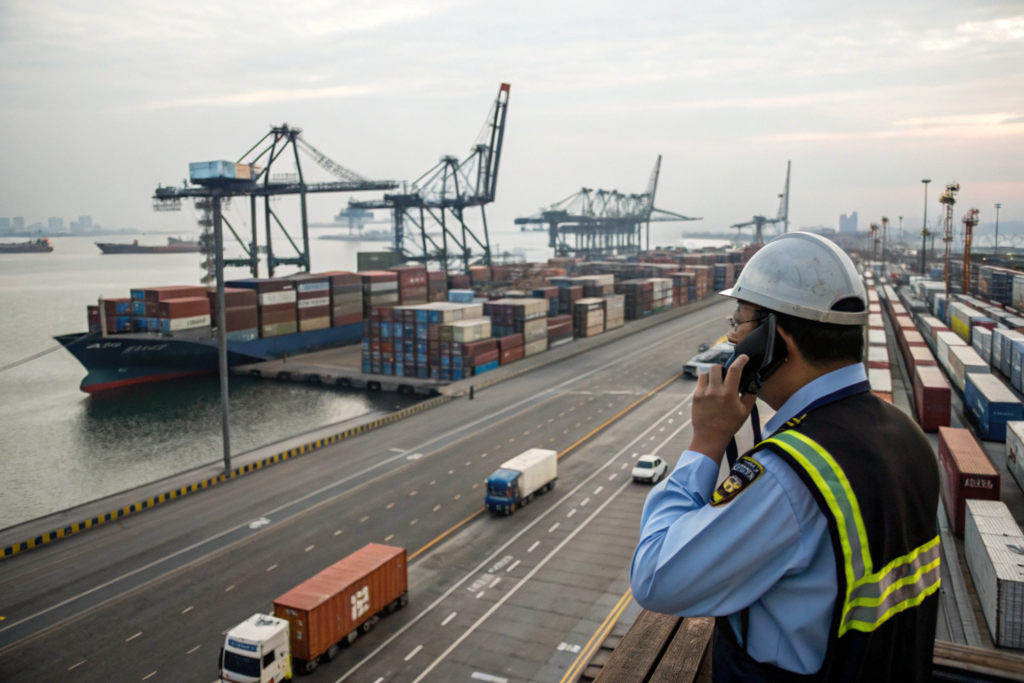
Chinese customs uses a risk management system. Green channel, yellow channel, red channel. Most buyers don’t even know these colors exist.
We know exactly how to keep you in the green lane. It’s about the integrity of the data. The unit price declared must match the prevailing market range in their database. The HS code must match the actual photo of the product.
- Pre-Screening: We check your supplier’s commercial invoice against the General Administration of Customs database before submission.
- Physical Inspection Protocols: If a red channel hit occurs, we know the specific officers on duty. We prepare the boxes facing so they can unload easily, avoiding the cost of a full devanning.
- Post-Clearance Audit: We maintain direct contact with post-audit departments to handle queries digitally during office closures.
This isn’t a theory. It is daily blocking and tackling. Your supplier can’t navigate this. They make the goods. We navigate the gatekeepers.
Can a dedicated "feet on the street" team really fix a stuck container?
Yes. Absolutely. Without feet on the street, you just have emails. Emails get ignored during lunch, let alone holidays.
We have regional supervisors who physically go to the CY. If a seal is broken and needs re-sealing, they observe it. If customs wants to sample a piece of apparel, our guy unboxes it, shows it, and boxes it back neatly. The alternative is a random warehouse worker tearing the box open and leaving the goods exposed to rain. This physical presence costs us money. But it saves you pallets of damaged goods. It is the ultimate safety net.
How Do Real-Time Schedules and Proactive Planning Prevent Last-Minute Panic?
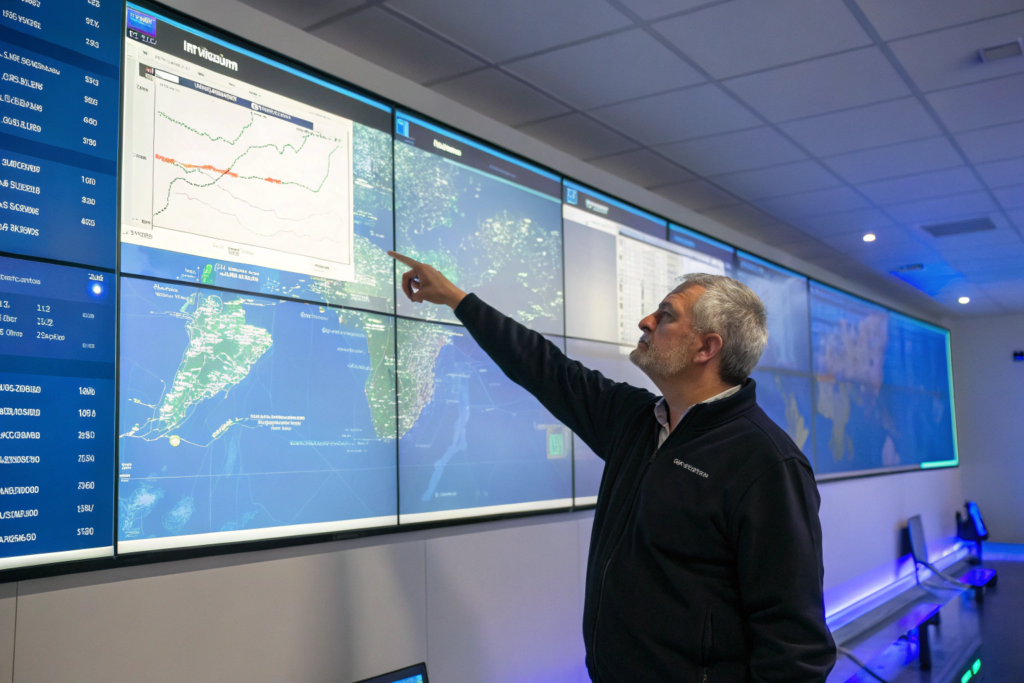
Most of the pain I see comes from a lack of truth. A supplier says "shipment ready." The forwarder says "vessel on time." Nobody checks the actual port schedule. You find out about a three-week delay when the ship is already supposed to be in Seattle. We run our business on raw data feeds, not human promises.
Proactive planning prevents last-minute panic by integrating live vessel AIS data with factory production schedules. We alert you the second the cutoff date changes, giving you five extra days to find a solution instead of one day to panic.
I require my team to use MarineTraffic and customs EDI feeds daily. When the Phase 1 trade deal cut-off was announced, we saw the freight surge coming. We booked space months ahead on obscure carriers that others weren’t tracking. Our regular clients didn’t even feel a price bump. That’s the muscle memory you pay for. A client in the accessories business told me, "Ron, I sleep better knowing you’re watching the water." That’s the mission. To let you focus on selling, while we absorb the anxiety of logistics.
How early should you really lock in your Golden Week shipping plan?
I don’t want your booking during Golden Week. I want it finalized six weeks before Golden Week.
Here’s a practical timeline I share with all my clients shipping to North America:
| Timeline | Action Item | Risk of Ignoring |
|---|---|---|
| 8 Weeks Out | Route optimization & Carrier Rate Lock | Spot rate spikes of 300% |
| 6 Weeks Out | Container pickup scheduling begins | No truck chassis available |
| 4 Weeks Out | Full documentation verification | Customs rejection at gate |
| 2 Weeks Out | Cargo physically positioned at CY | Factory shuts down with goods inside |
| 1 Week Out | Contingency plan execution (Rail/Air) | Zero options. Lost revenue. |
You need a partner who enforces this timeline, even if the factory is pushing back. We act as the bad cop. You preserve the supplier relationship, and we demand the schedule.
Is a "digital twin" of your supply chain the answer to holiday reliability?
It sounds like buzzwords, but it’s simpler than it sounds. We build a digital freight profile of every regular route.
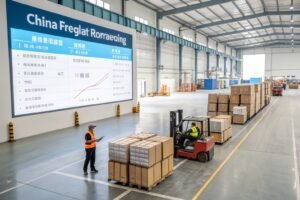
We know exactly how many days the Yongan gate normally takes in October. We know the average hold time for a textile inspection. We feed your planned ship date into our model. If the model flags a collision with a peak closure, it flags it on a shared dashboard. You and I look at it on a video call, and we decide whether to pull the trigger on a faster service. You don’t need a hundred spreadsheets. You need one shared source of truth that updates when the government announces the official holiday calendar. We do that for you.
Conclusion
Shipping delays during Chinese holidays feel like an inevitable storm. But you just learned it doesn’t have to hit you. By understanding the true cause of blank sailings weeks before the factories close, you can switch routes before the rush. By leaning on a DDP service that acts as the legal importer, you sidestep the clearance pile-ups that trap standard cargo. By partnering with a team like ours at GeeseCargo, who have real relationships with the officials who open the gates, your boxes move when others freeze. And with rigid, data-backed planning timelines, you are never surprised.
This is what "Professional, reliable, and competitive" looks like in the real world. Not just a slogan on a website. It’s about grabbing a coffee, looking at the calendar, and knowing your supply chain is already set. If you have had enough of the annual scramble, it’s time to try a forwarder who answers the phone before the holiday starts. Let’s talk.