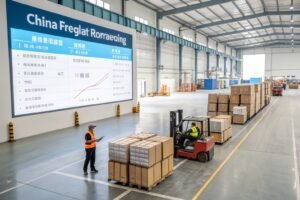
Shipping apparel on hangers, commonly known as "garments on hanger" (GOH) shipments, represents a specialized logistics challenge that balances garment protection, space utilization, and cost efficiency. As a freight forwarder specializing in fashion and apparel logistics, I’ve managed countless GOH shipments and witnessed how the right approach can reduce costs by 30-50% while maintaining garment quality that would be compromised by traditional folding and boxing methods.
The most efficient way to ship apparel on hangers combines specialized GOH containers, optimized packing density, strategic route selection, consolidation services, and technology-enabled tracking to maximize space utilization while minimizing handling damage and transit times. The optimal approach varies based on shipment volume, garment types, destination requirements, and budget constraints, but certain principles consistently deliver the best results across different scenarios.
Understanding the trade-offs between different GOH shipping methods enables informed decisions that balance cost, speed, and garment presentation quality. Let’s examine the specific strategies that deliver maximum efficiency for different types of apparel shipments.
What Specialized Equipment Maximizes GOH Shipping Efficiency?
The right equipment choices dramatically impact both cost efficiency and garment protection in GOH shipments.
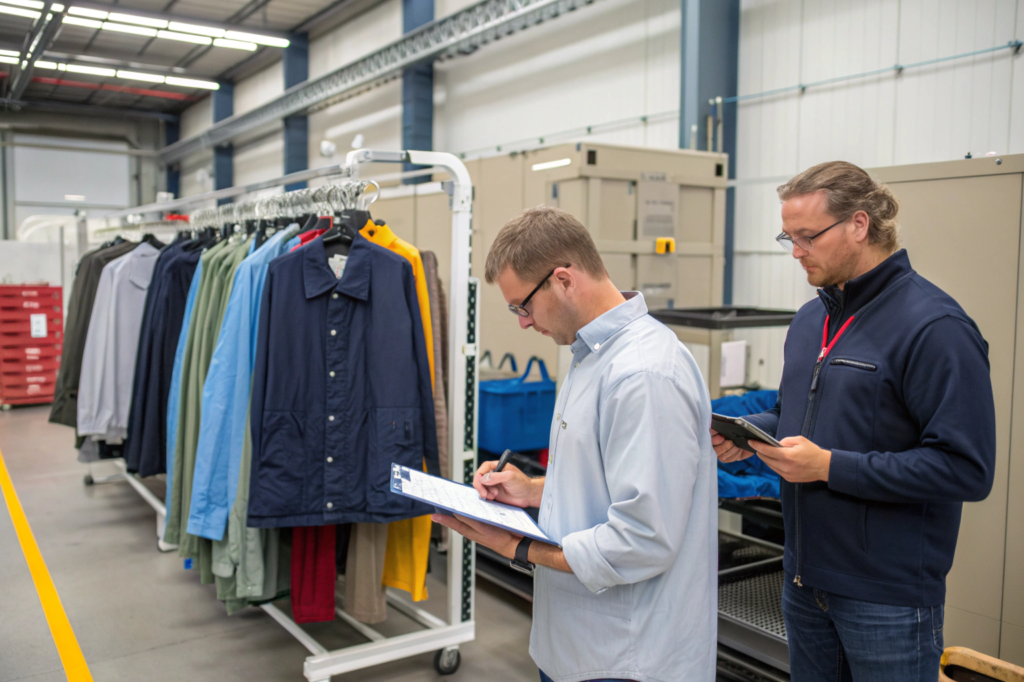
How Do Different GOH Container Types Compare?
Standard GOH containers offer balanced cost and protection. These specialized boxes with built-in hanging rails typically hold 40-60 garments and provide good protection at moderate cost, making them suitable for most commercial shipments where some garment compression is acceptable.
High-density GOH systems maximize space utilization. Advanced systems using specialized folding techniques and compression mechanisms can pack 80-120 garments in the same space as standard GOH containers, reducing shipping costs by 25-40% while maintaining reasonable garment protection.
What About Alternative Hanging Systems?
Collapsible garment racks provide reusable efficiency. For regular shipments between fixed locations, collapsible racks that fill entire containers offer the lowest per-garment shipping costs and fastest loading/unloading, though they require return logistics for the empty racks.
Specialized hanging bags balance protection and density. For premium garments requiring individual protection, specialized hanging bags with multiple garments per bag provide good protection while maintaining reasonable density, though at higher cost than bulk GOH methods.
How Can Packing and Loading Optimization Reduce Costs?
Strategic packing approaches significantly impact both shipping efficiency and garment condition upon arrival.
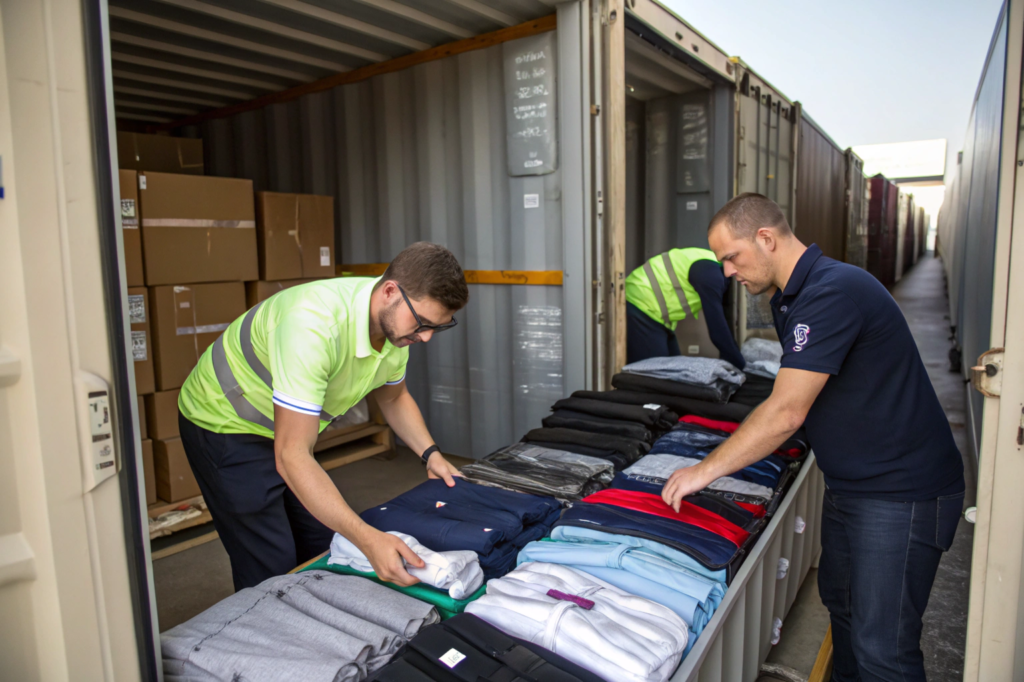
What Packing Techniques Maximize Space Utilization?
Strategic garment grouping by size and type increases density. Grouping similar-sized garments together allows tighter packing, while separating bulky items (coats, jackets) from lightweight items (blouses, shirts) optimizes overall container utilization.
Mixed orientation approaches balance density and protection. Combining some garments hung in the standard orientation with others hung in alternate directions can increase density by 15-25% while maintaining reasonable protection, though requiring more careful packing expertise.
How Does Loading Sequence Affect Efficiency?
Container loading optimization minimizes wasted space. Professional GOH shippers use specific loading patterns that maximize the number of GOH containers per shipping container while maintaining accessibility and minimizing compression damage.
Weight distribution considerations affect transportation costs. Proper weight distribution across containers optimizes shipping costs (particularly for air freight where weight charges apply) while preventing container instability during transit.
What Transportation Strategies Optimize GOH Shipments?
Selecting the right transportation modes and services significantly impacts both cost and delivery time for GOH shipments.

How Should You Choose Between Ocean and Air Options?
Ocean freight consolidation offers the lowest costs for non-urgent shipments. Consolidated GOH containers in shared ocean containers typically cost 70-80% less than air freight, with transit times of 20-35 days suitable for seasonal inventory building or regular replenishment.
Air freight options balance speed and cost for urgent needs. Dedicated air freight for GOH shipments provides 3-7 day transit times at 2-3 times ocean costs, while consolidated air services offer intermediate options at 1.5-2 times ocean costs with 7-12 day transit times.
What About Multi-Modal Combinations?
Sea-air combinations optimize cost and time for certain routes. Shipping via ocean to regional hubs then transferring to air for final delivery can provide 10-18 day transit times at 40-60% of direct air costs for suitable geographic routing.
Regional distribution strategies leverage consolidation benefits. Shipping large GOH volumes to regional distribution centers via ocean, then using ground transportation for final delivery, optimizes both international and domestic transportation costs.
How Can Technology and Visibility Enhance GOH Efficiency?
Modern technology solutions address traditional GOH shipping challenges around tracking, condition monitoring, and process optimization.

What Tracking Solutions Work Best for GOH Shipments?
Container-level tracking provides basic visibility at reasonable cost. GPS tracking devices on GOH containers offer cost-effective visibility for most shipments, though without garment-level detail.
Garment-level RFID systems offer premium visibility. For high-value shipments, RFID tags on individual garments provide detailed tracking and inventory management, though at significantly higher cost and implementation complexity.
How Can Condition Monitoring Protect Garments?
Environmental sensors prevent damage from temperature or humidity. Small sensors in GOH containers monitor conditions throughout transit, alerting to potential problems before garments are damaged, particularly valuable for delicate fabrics or climate-sensitive items.
Shock and tilt monitoring identifies rough handling. Devices that record acceleration, impacts, and orientation changes help identify handling problems and support damage claims while encouraging better handling practices.
What Cost Management Strategies Maximize GOH Value?
Strategic approaches to GOH shipping economics can significantly reduce total costs while maintaining service quality.

How Can Volume Consolidation Reduce Costs?
Shared container programs with other shippers maximize utilization. Professional GOH consolidators combine shipments from multiple companies to fill containers efficiently, offering per-garment rates 20-35% lower than dedicated container shipments for moderate volumes.
Seasonal booking strategies secure better rates. Booking GOH capacity during off-peak periods (post-holiday, mid-quarter) typically yields rates 15-25% lower than peak season bookings, with better equipment availability and service reliability.
What About Equipment Cost Optimization?
Container sharing programs reduce equipment expenses. Some providers offer programs where multiple shippers share specialized GOH equipment, reducing per-shipment equipment costs by 30-50% compared to dedicated equipment purchases or rentals.
Return logistics optimization minimizes empty equipment costs. Efficient planning of equipment returns (particularly for collapsible racks or reusable containers) can reduce equipment-related costs by 25-40% through better utilization and faster turnaround.
Conclusion
The most efficient way to ship apparel on hangers combines specialized equipment choices, optimized packing techniques, strategic transportation selection, technological enhancement, and smart cost management tailored to specific shipment characteristics and requirements. While no single approach works perfectly for all situations, understanding the available options and their trade-offs enables decisions that balance garment protection, transit time, and cost efficiency effectively.
At GeeseCargo, we’ve helped apparel clients optimize GOH shipping to achieve 25-45% cost reductions while improving on-time delivery by 30-50% and reducing garment damage by 60-80%. Our experience shows that companies treating GOH shipping as a specialized capability requiring specific expertise typically achieve far better results than those treating it as standard freight. Remember that the most efficient GOH approach evolves as your business changes—regular review of your methods against new technologies and market conditions ensures continuous improvement in both efficiency and effectiveness.