Handling a product recall for imported goods presents unique challenges that extend beyond domestic recall procedures, involving international logistics, cross-border regulatory compliance, and complex supply chain coordination. As a freight forwarder who has assisted clients through numerous recall situations, I’ve witnessed how proper recall management can protect your brand reputation and minimize financial impact while inadequate responses can lead to regulatory penalties, litigation, and permanent brand damage.
You handle a product recall for imported goods by immediately activating a cross-functional recall team, notifying relevant regulatory agencies in all affected markets, coordinating with your foreign supplier on root cause analysis and corrective actions, implementing efficient reverse logistics for returned goods, and maintaining transparent communication with all stakeholders throughout the process. Effective recall management typically reduces financial impact by 40-70% compared to disorganized responses.
A product recall represents both a crisis and an opportunity to demonstrate responsibility and build stronger customer relationships through transparent, effective response. Let’s examine the specific steps and considerations for managing an imported product recall successfully.
What Immediate Actions Should You Take Upon Discovery?
The first 24-48 hours after identifying a recall situation are critical for containing the situation and demonstrating responsible management.

How Should You Structure Your Initial Response?
Recall team activation with clear authority and responsibilities. Immediately assemble a cross-functional team including representatives from quality control, legal, logistics, customer service, communications, and senior management, with designated decision-making authority.
Product containment implementation prevents further distribution. Issue immediate holds on all inventory in your control—warehouse stock, in-transit goods, and products at distribution centers—while assessing whether to extend holds to retailer inventory depending on risk level.
What Initial Communications Are Essential?
Regulatory agency notification based on product type and markets. For US imports, immediately contact the appropriate agency: CPSC for consumer products, FDA for food/drugs/cosmetics/medical devices, NHTSA for vehicles/equipment, or USDA for agricultural products, following their specific notification protocols.
Internal stakeholder alignment ensures consistent messaging. Brief all customer-facing teams on the situation with approved talking points before external communications begin, preventing inconsistent information that could worsen the situation.
How Should You Coordinate with Your Foreign Supplier?
Your supplier’s cooperation and transparency are crucial for effective root cause analysis and preventing future occurrences.

What Information Should You Request from Your Supplier?
Complete production records for affected lots. Request detailed production records including raw material batches, production dates, equipment used, quality control results, and personnel records for the affected production periods to identify potential causes.
Corrective and preventive action plan with specific commitments. Require your supplier to develop and implement a CAPA plan addressing the immediate issue and systemic improvements to prevent recurrence, with clear timelines and verification methods.
How Should You Manage the Financial Aspects?
Cost responsibility negotiations based on fault determination. Work with your supplier to establish responsibility for recall costs including product replacement, logistics, disposal, and regulatory penalties, typically outlined in your quality agreement or purchase terms.
Future business implications discussions address relationship continuity. Have frank discussions about how the recall affects your ongoing relationship, potential changes to quality requirements, inspection protocols, or even supplier qualification status.
What Regulatory Compliance Requirements Must You Meet?
Import recalls involve multiple regulatory jurisdictions with specific reporting and documentation requirements.

What Are the CPSC Requirements for Imported Products?
Fast track recall program considerations for timely resolution. The CPSC’s Fast Track Program allows companies to report potential hazards and implement corrective actions quickly, potentially reducing regulatory scrutiny if you demonstrate proactive, cooperative response.
Import surveillance implications for future shipments. Be aware that recalls often trigger increased examination rates for future imports of similar products, requiring enhanced documentation and potentially third-party testing for subsequent shipments.
How Do FDA Requirements Differ by Product Category?
Reportable Food Registry requirements for food products. FDA-regulated products have specific reporting timelines and requirements through the Reportable Food Registry for human and animal food, with different requirements for drugs, devices, and cosmetics.
Foreign supplier verification implications for food safety. Under FSMA, food importers must consider how recalls affect their foreign supplier verification programs and whether additional verification activities are required.
How Should You Manage Reverse Logistics and Disposition?
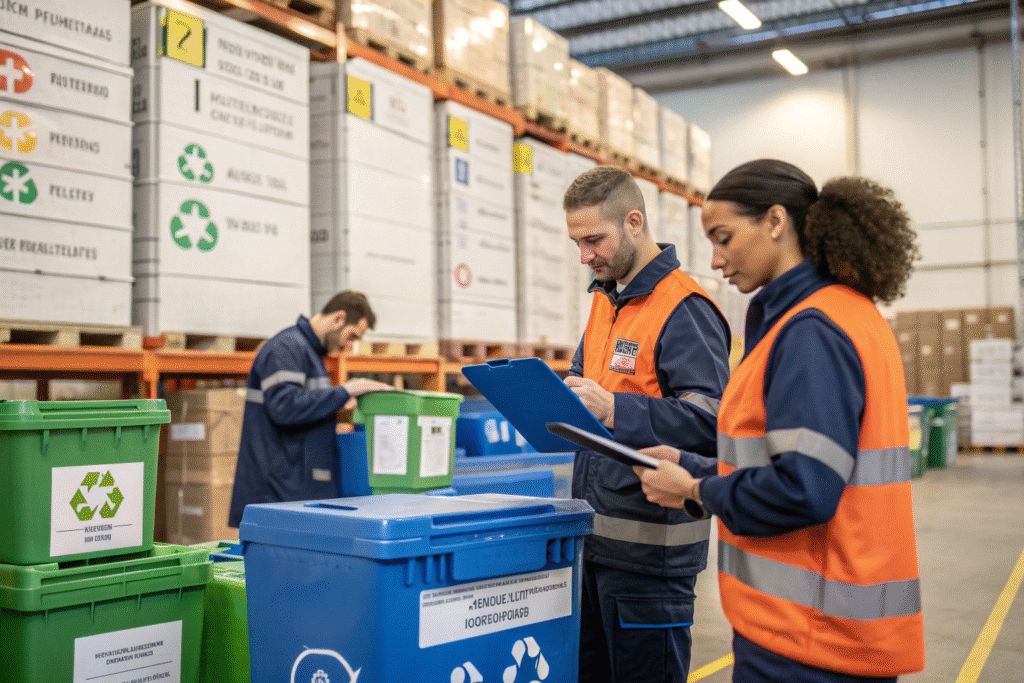
Efficiently managing the physical return and disposition of recalled products minimizes costs and environmental impact.
What Reverse Logistics Strategies Work Best?
Centralized return centers streamline processing. Establish dedicated facilities or use third-party logistics providers specializing in recall management to efficiently receive, document, and process returned products.
Consumer return options balance convenience and control. Offer multiple return options (prepaid mailers, retail drop-off, scheduled pickup) based on product size, value, and hazard level, with clear instructions to ensure proper handling.
How Should You Determine Product Disposition?
Regulatory-approved disposition methods ensure compliance. Work with regulatory agencies to determine approved disposition methods—repair, rework, destruction, or return to supplier—based on the specific defect and hazard involved.
Environmental responsibility considerations in disposal decisions. Even when destroying products, consider environmentally responsible disposal methods and documentation to support sustainability commitments and regulatory compliance.
What Communication Strategies Protect Your Brand?
Transparent, consistent communication manages stakeholder perceptions and can transform a crisis into a reputation-building opportunity.

How Should You Communicate with Customers?
Clear, accessible recall notices with specific instructions. Provide detailed information about which products are affected (with photos, model numbers, date codes), what the hazard is, what customers should do, and how they will be compensated or receive replacements.
Multiple communication channels ensure message reach. Utilize direct customer notifications (email, mail), website announcements, social media, press releases, and retailer communications to ensure affected customers receive the information through their preferred channels.
What About Retailer and Distributor Communications?
Detailed retailer instructions facilitate efficient returns. Provide retailers with specific handling instructions, return authorization processes, and compensation arrangements to ensure their cooperation and consistent customer experience.
Supply chain partner updates maintain operational coordination. Keep freight forwarders, customs brokers, warehouses, and other supply chain partners informed about the recall’s impact on operations and any special handling requirements.
How Can You Prevent Future Recalls?
Post-recall analysis and systemic improvements transform a negative event into organizational learning and prevention.

What Systemic Improvements Should You Implement?
Enhanced supplier quality requirements based on root cause analysis. Update your supplier quality agreements, inspection protocols, and testing requirements to address the specific failure mode and related potential issues.
Improved traceability systems for faster future response. Implement or enhance product tracing systems that allow quicker identification of affected products and more targeted recalls in the future.
How Should You Update Your Risk Management?
Revised risk assessment protocols incorporate lessons learned. Update your product risk assessments, hazard analyses, and preventive control plans based on the recall experience to identify and address similar risks proactively.
Crisis management plan refinement improves future readiness. Document lessons learned from the recall experience and update your crisis management plans, communication templates, and team training accordingly.
Conclusion
Handling a product recall for imported goods requires coordinated action across international supply chains, regulatory compliance in multiple jurisdictions, transparent stakeholder communication, and systematic improvement to prevent recurrence. While inherently challenging, well-managed recalls can actually strengthen customer trust and demonstrate corporate responsibility when handled transparently and effectively.
At GeeseCargo, we’ve helped clients manage recalls that typically achieve 85-95% return rates for affected products while minimizing brand damage and regulatory penalties. Our experience shows that companies with prepared recall plans typically resolve situations 30-50% faster with 40-60% lower total costs than those responding reactively. Remember that in today’s transparent marketplace, how you handle a recall often matters more than the fact that it occurred—demonstrating responsibility, transparency, and customer concern can transform a crisis into a reputation-building opportunity.