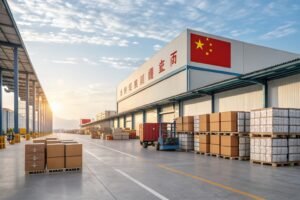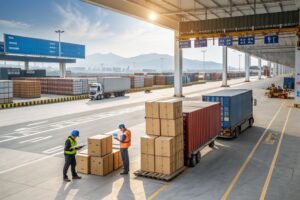
The potential reinstatement of Section 301 tariffs on all Chinese goods represents a critical concern for businesses engaged in US-China trade. As a freight forwarder navigating these complex trade waters daily, I’ve witnessed firsthand how tariff uncertainties impact supply chain decisions and operational costs. The current situation remains fluid, with significant implications for importers, manufacturers, and consumers alike.
While a full reinstatement of Section 301 tariffs on all Chinese goods appears unlikely in the immediate term, targeted expansions and strategic adjustments are probable as the US government continues its trade policy review. The Biden administration has maintained most Trump-era tariffs while granting specific exclusions, suggesting a more calibrated approach than blanket reinstatement.
Understanding the current landscape and potential scenarios helps businesses prepare for various outcomes. Let’s examine the key factors influencing this critical trade policy decision.
What Is the Current Status of Section 301 Tariffs?
The existing tariff framework establishes the baseline from which any potential reinstatements or expansions would occur.

Which Products Currently Face Section 301 Tariffs?
Approximately $350 billion worth of Chinese imports remain subject to Section 301 tariffs across multiple tranches implemented since 2018. These cover extensive product categories including industrial components, electronics, machinery, and consumer goods. The tariffs range from 7.5% to 25%, creating significant cost pressures for affected imports.
Limited exclusions remain active for specific products, with most previous exclusions having expired. The current administration has implemented a targeted exclusion process focused on manufacturing equipment, automotive components, and consumer safety items that lack alternative sourcing options.
How Have Recent Reviews Affected Tariff Policies?
The four-year statutory review concluded with recommendations to maintain most existing tariffs while potentially expanding coverage in strategic sectors. The USTR emphasized addressing China’s industrial policies and non-market practices while minimizing unnecessary consumer impact.
Strategic sector analysis has identified areas where additional tariffs might apply, particularly in clean energy, semiconductors, and critical minerals. These sectors align with domestic policy priorities and national security concerns driving current trade policy decisions.
What Factors Influence Potential Tariff Reinstatement?
Multiple economic, political, and strategic considerations shape the administration’s approach to Section 301 tariffs.

How Do Domestic Political Considerations Affect Tariff Decisions?
Bipartisan pressure for a tough stance on China trade practices continues influencing policy decisions. Both Democratic and Republican lawmakers have advocated maintaining strong tariff measures, though they differ on specific approaches and potential expansions.
Manufacturing constituency interests play a significant role in tariff policy formulation. The administration balances protection for domestic industries against cost concerns for downstream users and consumers, creating complex political calculations.
What Strategic and Economic Factors Drive Decisions?
Supply chain resilience objectives influence which products might face additional tariffs. Goods deemed critical for national security or economic stability may receive different treatment than consumer products with available alternative sourcing.
Inflation management concerns create pressure to limit broad tariff expansions. With consumer prices remaining a sensitive political issue, widespread tariff increases face significant headwinds despite strategic considerations.
What Are the Most Likely Scenarios for Future Tariff Actions?
Several plausible pathways exist for Section 301 tariff developments in the near to medium term.

Where Are Targeted Expansions Most Probable?
Strategic technology sectors face the highest likelihood of additional tariff coverage. Semiconductors, advanced batteries, solar panel components, and critical minerals represent areas where national security and industrial policy concerns might justify expanded tariffs.
Products supporting Chinese industrial priorities identified in Made in China 2025 and similar initiatives may see increased tariffs. The administration has signaled continued focus on preventing unfair competitive advantages in emerging technology sectors.
What Alternative Approaches Might Replace Broad Tariffs?
Targeted investment restrictions and export controls might supplement or replace some tariff measures. The administration has increasingly utilized these tools for sensitive technologies, potentially reducing pressure for comprehensive tariff reinstatement.
Allied coordination efforts could lead to multilateral approaches addressing shared concerns. The US has pursued coordination with the EU, Japan, and other partners, though achieving unified positions has proven challenging.
How Should Businesses Prepare for Potential Changes?
Proactive preparation helps mitigate risks regardless of specific tariff developments.

What Supply Chain Strategies Reduce Tariff Vulnerability?
Diversified sourcing approaches remain the most effective protection against tariff uncertainties. Companies that have developed alternative sourcing options in Southeast Asia, India, Mexico, and other regions face significantly lower exposure to China-specific tariff risks.
Strategic inventory management requires balancing carrying costs against potential tariff impacts. Some businesses maintain buffer stocks for components likely to face tariff increases, though this approach requires careful cost-benefit analysis.
How Can Companies Engage in Policy Processes?
Exclusion petition preparation represents an important opportunity for affected businesses. Maintaining detailed documentation about sourcing challenges, product specifications, and economic impacts strengthens future exclusion requests.
Industry coalition participation amplifies individual company voices in policy discussions. Trade associations and business groups provide channels for communicating practical concerns to policymakers considering tariff changes.
What Are the Global Implications of Tariff Decisions?
US tariff policies toward China affect broader global trade patterns and economic relationships.
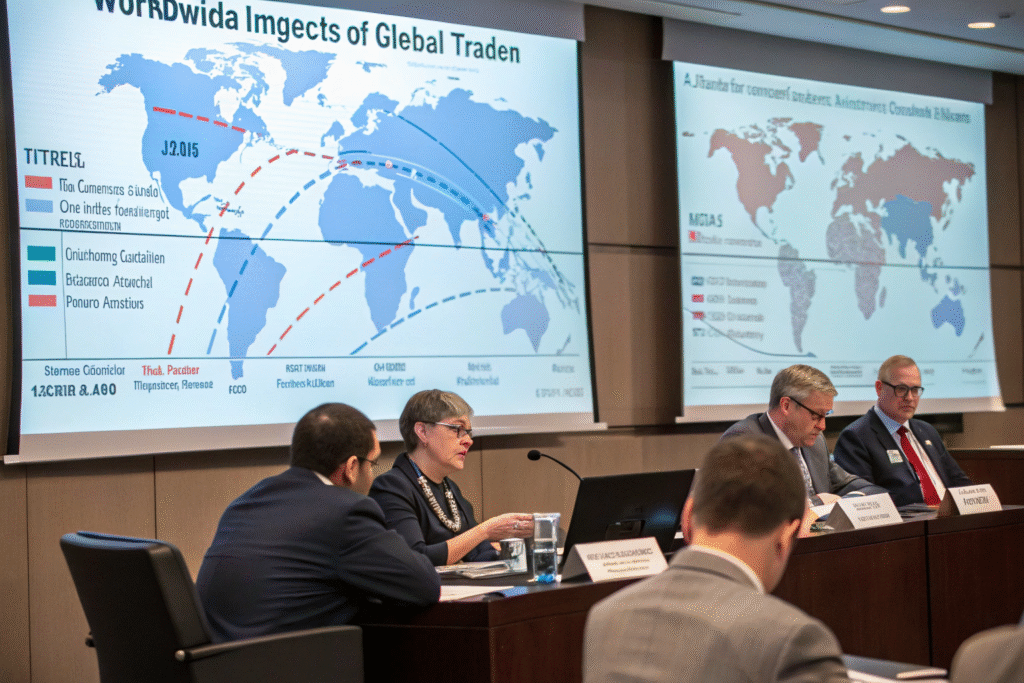
How Do Tariffs Affect Global Supply Chain Restructuring?
Accelerated diversification trends continue regardless of specific tariff decisions. The combination of tariff uncertainties, pandemic disruptions, and geopolitical tensions has created sustained momentum toward supply chain regionalization and diversification.
Third-country manufacturing growth in Vietnam, Mexico, India, and Southeast Asia reflects long-term supply chain shifts. These trends appear durable even if US-China tariff tensions moderate somewhat, suggesting fundamental restructuring beyond temporary adjustments.
What Are the Broader Economic Consequences?
Global trade pattern evolution continues as businesses adapt to persistent US-China tensions. Trade flows increasingly reflect geopolitical alignments alongside traditional economic considerations, creating both challenges and opportunities in various markets.
Inflation and growth impacts remain considerations in tariff policy decisions. Research suggests the initial tariff rounds reduced US GDP growth modestly while contributing to measured inflation increases, factors that likely temper enthusiasm for dramatic expansions.
Conclusion
While a blanket reinstatement of Section 301 tariffs on all Chinese goods appears unlikely, businesses should prepare for continued trade tensions and targeted tariff expansions in strategic sectors. The most probable scenario involves selective increases focused on technology, clean energy, and national security-related products alongside maintained pressure on Chinese trade practices through other policy tools.
At GeeseCargo, we’ve helped clients navigate these uncertainties through flexible supply chain strategies, detailed contingency planning, and active monitoring of trade policy developments. Our experience demonstrates that businesses combining strategic diversification with engaged policy participation manage tariff risks most effectively. The key lies in building supply chain resilience that withstands various policy scenarios while maintaining competitiveness across multiple dimensions beyond just tariff costs.