Choosing the right logistics partner is one of the most critical decisions that impacts your supply chain efficiency, customer satisfaction, and bottom line. As a freight forwarder who has both competed against and collaborated with numerous logistics providers, I understand what separates exceptional partners from merely adequate ones. The perfect partner should feel like an extension of your own team, understanding your business almost as well as you do.
The perfect logistics partner demonstrates deep expertise in your specific industry, offers technological capabilities that integrate with your operations, provides transparent communication, and shows flexibility to adapt to your evolving business needs. They should act as a strategic advisor rather than just a service provider, proactively identifying opportunities for improvement and cost savings.
Finding this ideal match requires careful evaluation across multiple dimensions. Let’s explore the key criteria that separate outstanding logistics partners from the rest.
What Industry-Specific Expertise Should You Look For?
Industry knowledge often proves more valuable than general logistics experience when selecting a partner.

How Important is Vertical Market Experience?
Proven track record in your industry ensures the partner understands your unique challenges, seasonality patterns, and customer expectations. A logistics provider serving the fashion industry, for example, should grasp the urgency of getting seasonal collections to market quickly, while one serving pharmaceuticals must prioritize temperature control and regulatory compliance.
Knowledge of your product-specific requirements prevents costly learning experiences. If you ship hazardous materials, your partner should already have the necessary certifications and protocols in place. For high-value electronics, they should have established security measures and insurance coverage appropriate for your risk level.
What Regulatory Expertise Matters Most?
Customs and compliance capabilities specific to your trade lanes save time and prevent penalties. The ideal partner should have established relationships with customs brokers in your key markets and demonstrate up-to-date knowledge of changing regulations affecting your products.
Product-specific certification requirements should be well-understood by your potential partner. Whether you need FDA compliance for food shipments, TSCA for chemicals, or FCC for electronics, your logistics provider should already have experience with these requirements rather than learning on your dime.
What Technological Capabilities Are Essential?
Technology integration has become a defining factor in logistics partnership success.

How Should You Evaluate Their Digital Platform?
Real-time visibility tools must provide the specific information you need in a user-friendly format. The best platforms offer proactive alerts rather than requiring constant manual checking. They should integrate easily with your existing systems and provide the data granularity your team requires for decision-making.
API integration capabilities determine how seamlessly the partner can connect with your operations. Test their ability to integrate with your ERP, WMS, or order management systems. The most advanced partners offer pre-built connectors for common platforms and custom integration services for unique requirements.
What About Data Analytics and Reporting?
Customizable reporting features should provide the insights your business needs without requiring extensive manual manipulation. Look for partners who can deliver the specific KPIs and metrics that matter to your stakeholders, presented in formats that facilitate quick understanding and decision-making.
Predictive analytics capabilities separate modern logistics partners from traditional ones. The ability to anticipate disruptions, optimize routes proactively, and identify cost-saving opportunities before you request them demonstrates a forward-thinking approach.
How Do You Assess Operational Excellence?
A partner’s operational capabilities directly impact your customers’ experience and your costs.
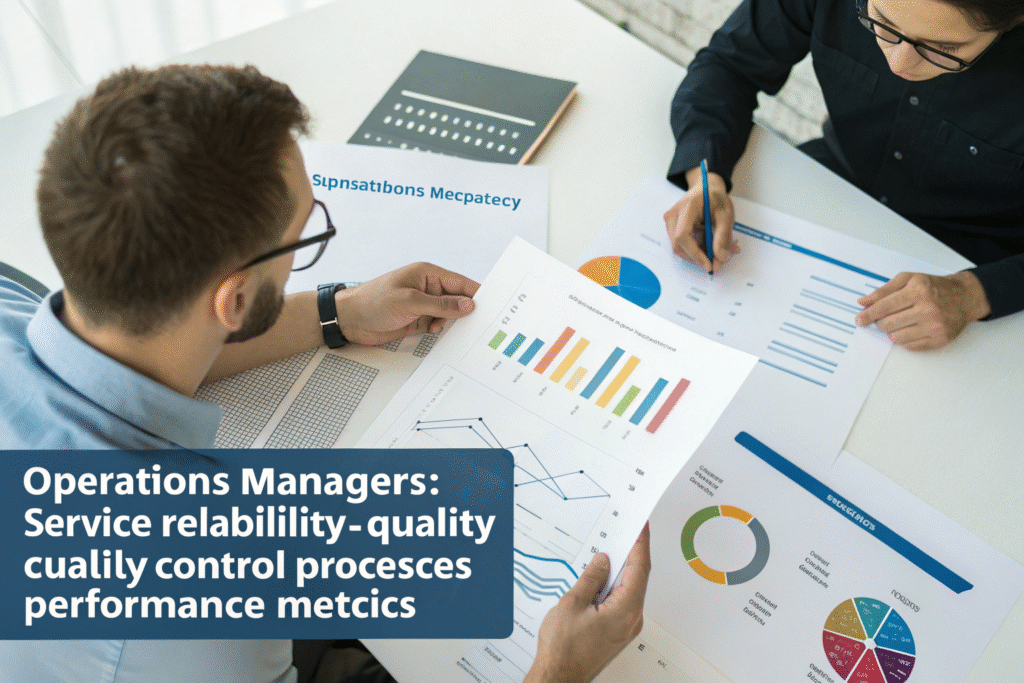
What Performance Metrics Truly Matter?
On-time delivery rates should be verified rather than taken at face value. Ask for specific performance data for the trade lanes and services you’ll be using. The best partners willingly share this information and can explain their methodology for calculating these metrics.
Claims ratio and damage statistics reveal much about their care in handling goods. While zero claims might indicate under-reporting, excessively high ratios suggest operational problems. Ask how they prevent claims and their process for handling them when they occur.
How Can You Evaluate Their Network Strength?
Global network capabilities should match your current and future needs. If you’re expanding into new markets, ensure your partner has established operations or strong agency relationships in those regions. Local expertise often proves more valuable than global reach alone.
Carrier relationships and buying power directly impact your costs and service levels. Partners with strong, long-term carrier relationships typically get better pricing and priority treatment during capacity crunches. Ask about their primary carrier partnerships and how they manage these relationships.
What About Communication and Cultural Fit?
The human element often determines partnership success more than technical capabilities alone.
How Important is Communication Style Compatibility?
Proactive communication practices prevent small issues from becoming major problems. The best partners alert you to potential delays before they impact your operations and suggest alternatives. During the selection process, note whether they follow up promptly and provide complete information without repeated requests.
Dedicated account management ensures consistent communication and deeper understanding of your business. Ask about their account management structure, including backup contacts and escalation procedures. The ideal partner assigns team members who become true experts in your business.
What Cultural Alignment Factors Matter?
Problem-solving approach should match your company’s culture and risk tolerance. Some companies prefer conservative, by-the-book partners while others value creative, flexible approaches to challenges. Ensure their style complements rather than conflicts with your organizational culture.
Business ethics and values alignment becomes crucial during difficult situations. Discuss how they’ve handled past service failures and ethical dilemmas. Their responses will reveal whether they share your commitment to transparency and accountability.
How Should You Structure the Evaluation Process?
A systematic approach to selection prevents overlooking critical factors.

What Due Diligence Steps Are Essential?
Reference checks with current clients provide invaluable insights beyond sales presentations. Ask for references from companies with similar shipping profiles and challenges. Specific questions about how the partner handles problems often reveal more than questions about routine operations.
Site visits and operational reviews let you see their capabilities firsthand. While increasingly conducted virtually, these visits reveal much about their organization, technology use, and operational discipline. Pay attention to how their team interacts and solves problems in real-time.
How Can Pilot Programs Reduce Risk?
Controlled initial engagement allows testing the relationship before full commitment. Start with a specific lane, product line, or volume percentage to evaluate performance without risking your entire operation. This approach provides concrete data for your final decision.
Clear performance benchmarks for the trial period ensure objective evaluation. Establish specific metrics and review periods upfront. The best partners welcome this approach and often suggest additional measures that demonstrate their capabilities.
Conclusion
Selecting the perfect logistics partner requires balancing multiple factors, with the weight given to each depending on your specific business needs and strategic direction. The ideal partner not only meets your current requirements but also demonstrates the capacity to grow and adapt with your business. They should challenge your thinking, bring new ideas to the table, and consistently demonstrate their value beyond simply moving goods from point A to point B.
At GeeseCargo, we’ve learned that the most successful partnerships are built on transparency, mutual respect, and shared goals. Our own experience being selected by clients has taught us that the most thorough evaluations consider both quantitative performance data and qualitative factors like communication style and cultural fit. Remember that the perfect partner for one company may be completely wrong for another—the key is finding the provider whose strengths align with your specific needs and whose weaknesses don’t impact your critical requirements.