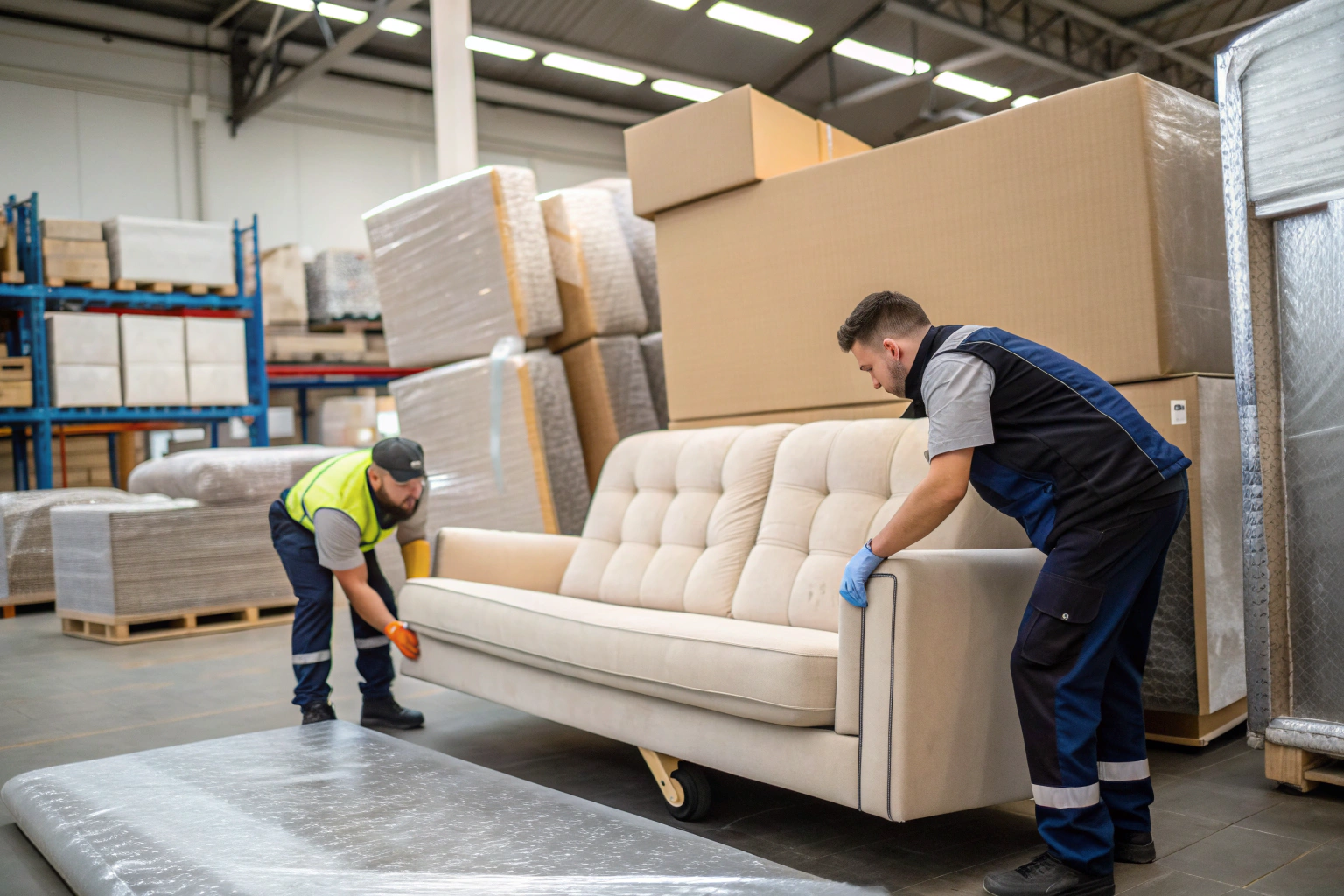
Shipping large furniture from China presents unique challenges that standard shipping methods can’t always handle. As a freight forwarder specializing in oversized cargo, I’ve helped numerous furniture importers navigate the complexities of moving bulky, high-value items across international borders. Whether you’re importing antique reproductions, custom cabinetry, or modern furniture pieces, choosing the right shipping method is crucial for protecting your investment.
The best way to ship large furniture from China depends on your budget, timeline, and furniture characteristics, with ocean freight being the most cost-effective for full container loads, air freight for urgent shipments, and consolidated LCL services for smaller quantities. Proper packaging, documentation, and customs preparation are equally important for successful furniture importation.
Understanding the nuances of furniture shipping can save you significant time, money, and headaches. Let’s explore the optimal strategies for different scenarios.
Which Shipping Method Works Best for Different Furniture Types?
Choosing the right transportation mode depends on your furniture’s size, value, fragility, and your delivery timeline requirements.

When Should You Choose Ocean Freight for Furniture?
Full container load (FCL) shipping is ideal when you’re importing enough furniture to fill an entire container. This method provides exclusive use of the container, minimizing handling and reducing damage risk. Standard 20-foot and 40-foot containers accommodate most furniture pieces, while 40-foot high-cube containers offer extra height for taller items like wardrobes and bookcases.
The cost effectiveness of ocean freight makes it particularly suitable for heavy furniture like solid wood tables, bedroom sets, and commercial furniture. Transit times from China to major US ports typically range from 20-35 days, making this the most economical choice for non-urgent shipments. Proper bracing and blocking inside the container prevent shifting during transit.
Is Air Freight Practical for Furniture Shipping?
Air freight becomes viable for high-value, time-sensitive furniture shipments where speed justifies the higher cost. Designer pieces, limited edition furniture, or items needed for urgent projects may warrant air transportation. While significantly more expensive than ocean freight, air delivery typically takes 3-7 days from China to US destinations.
The size limitations of aircraft cargo holds make air freight impractical for extremely large pieces. However, modular or disassembled furniture often works well with air cargo. The reduced handling and shorter transit time also decrease damage risk for fragile items. Many luxury furniture brands use air freight for their high-end products to maintain rapid inventory turnover.
How Should You Prepare Furniture for International Shipping?
Proper preparation is the most critical factor in ensuring your furniture arrives undamaged and clears customs smoothly.

What Packaging Methods Protect Furniture Best?
Professional crating provides the highest level of protection for valuable or fragile furniture. Custom-built wooden crates offer structural support and impact protection during handling and transit. This method is essential for antique furniture, pieces with delicate finishes, or items with glass components. The cost of professional crating is often justified by preventing damage that would exceed the crating expense.
For standard furniture, blanket wrap combined with cardboard corner protectors and stretch wrapping offers good protection at lower cost. This method allows for more efficient container loading while still providing adequate surface protection. Remove detachable parts like drawers, doors, and legs whenever possible, wrapping them separately to prevent damage.
How Important is Documentation for Furniture Shipping?
Detailed packing lists are crucial for furniture shipments. Each item should be described with materials (wood type, metal, glass), dimensions, weight, and value. This information helps customs officials properly classify your shipment and calculate duties. Photographing each piece before packing provides evidence of pre-shipment condition.
Wood packing material certification is required for most furniture shipments. The ISPM 15 standard mandates that wood packaging materials be treated and marked to prevent pest transfer. Ensure your supplier uses certified materials or plan for additional treatment costs. Missing documentation can cause significant customs delays and additional expenses.
What Are the Key Considerations for Customs Clearance?
Furniture imports face specific regulatory requirements that differ from other commodity types.

How Do Wood Materials Affect Customs Processing?
Wooden furniture requires special attention due to phytosanitary regulations. Different wood types face varying restrictions, with some species requiring additional permits or being prohibited entirely. The Lacey Act requires declaration of wood species and country of harvest for many wood products. Working with suppliers who provide detailed material information simplifies this process.
Finish and treatment regulations also impact furniture imports. Certain finishes may contain restricted chemicals, while upholstered furniture must meet flammability standards. Ensure your manufacturer understands destination market requirements and can provide necessary compliance documentation. These considerations should be addressed during sourcing rather than after shipment.
What Duties and Taxes Apply to Furniture Imports?
Harmonized System codes determine duty rates for furniture imports. Different furniture categories face different tariff rates, with some items qualifying for reduced rates under special trade programs. Antique furniture may require additional certification and face different valuation methods for duty assessment.
Proper valuation is essential for avoiding customs issues. Ensure your commercial invoice reflects the true transaction value, including tooling, molds, and design work when applicable. Many importers face penalties for undervaluation, particularly when importing high-value furniture pieces. Consulting with a customs broker before shipment can prevent these problems.
How Can You Optimize Costs and Ensure Safe Delivery?
Balancing cost considerations with delivery reliability requires strategic planning and partner selection.

What Insurance Coverage Do Furniture Shipments Need?
Marine cargo insurance is particularly important for furniture shipments due to their susceptibility to damage and high value. Standard carrier liability provides minimal coverage, making additional insurance essential. Consider all-risk coverage that protects against physical damage, theft, and fresh water damage during transit.
Specialized furniture insurance may be available for high-value pieces. These policies often include coverage for restoration costs and diminished value after repair. Document each piece’s value with purchase receipts or appraisals, and consider professional valuation for antique or unique furniture items. The insurance cost is typically a small percentage of the shipment value but provides crucial protection.
How Does Consolidation Affect Furniture Shipping Costs?
Less than container load (LCL) services offer cost savings for smaller furniture quantities. By sharing container space with other shippers, you pay only for the volume you use. Modern consolidation services provide adequate protection through proper bracing and separation of different shippers’ cargo.
The timing considerations of LCL include potential delays at consolidation and deconsolidation facilities. However, for many furniture importers, the cost savings outweigh the slightly longer transit times. Modern tracking systems provide good visibility throughout the LCL process, reducing uncertainty about shipment status.
Conclusion
Shipping large furniture from China successfully requires careful method selection, thorough preparation, and attention to regulatory requirements. The optimal approach balances cost, speed, and protection based on your specific furniture characteristics and business needs. By understanding the nuances of furniture logistics, you can avoid common pitfalls and ensure your pieces arrive in perfect condition.
At GeeseCargo, we’ve developed specialized expertise in furniture shipping through years of handling everything from antique reproductions to modern modular systems. Our experience with wood certification requirements, proper packaging techniques, and furniture-specific customs procedures helps clients import successfully while avoiding costly mistakes. Remember that the cheapest shipping option isn’t always the most cost-effective when considering potential damage and delays—investing in proper preparation and reliable partners pays dividends in successful furniture importation.