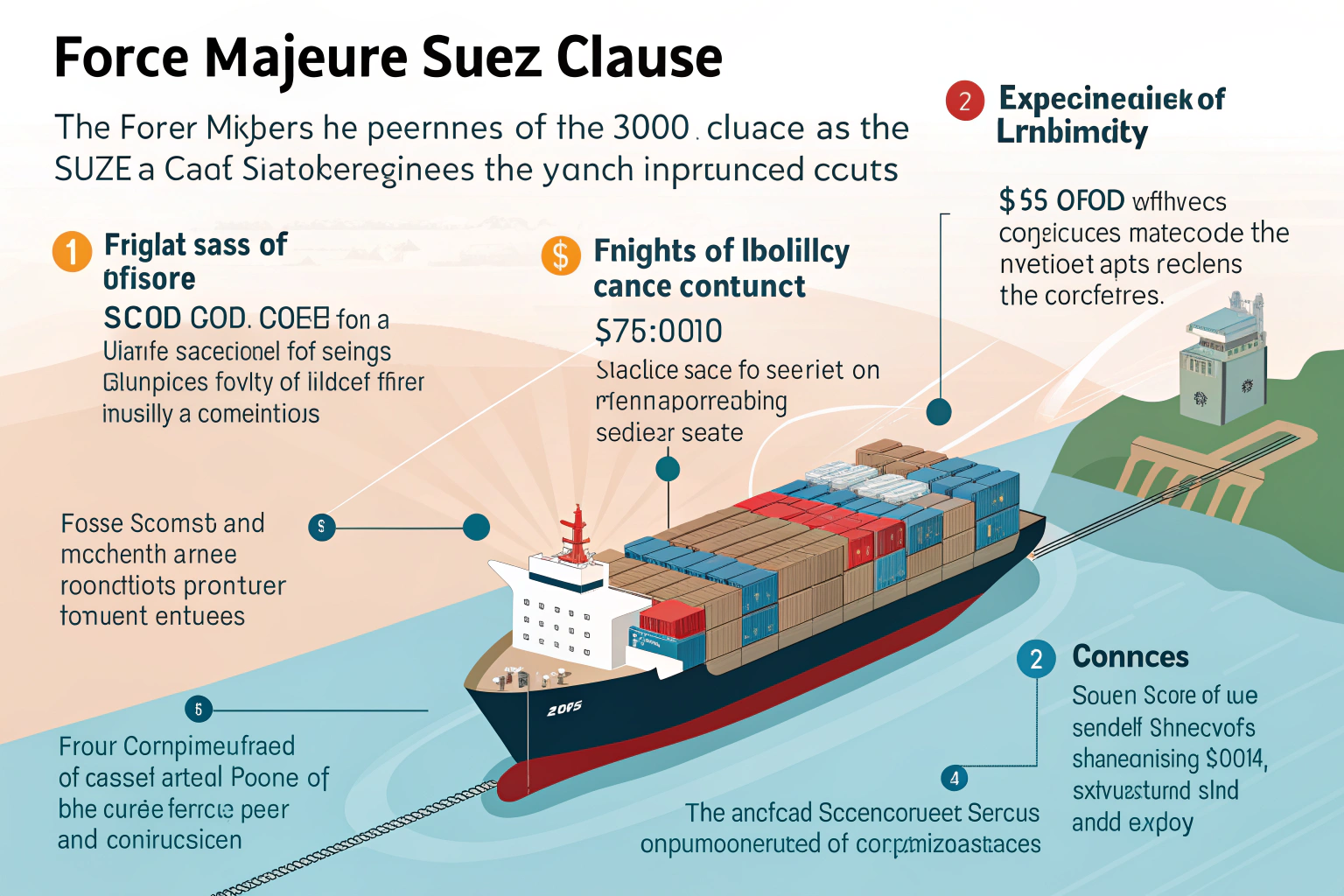
When one of our clients discovered their freight contract lacked a proper force majeure clause during the Suez Canal blockage, they absorbed $85,000 in unexpected costs that could have been allocated to their carrier. As founder of GeeseCargo with extensive contract negotiation experience, I’ve learned that well-drafted freight contracts aren’t just legal formalities—they’re strategic tools that allocate risk, define responsibilities, and prevent disputes before they occur.
The most important clauses in a freight contract include liability and limitation of liability, force majeure, payment terms, scope of services, insurance requirements, termination conditions, and dispute resolution mechanisms. These clauses typically determine 90% of contract outcomes during disputes and can impact costs by 15-40% depending on how they’re structured and negotiated.
A freight contract serves as the foundational document governing your carrier relationships, with specific clauses determining financial exposure, operational flexibility, and legal protection. Understanding which clauses matter most enables strategic negotiation rather than simply accepting standard carrier agreements.
What Liability and Risk Allocation Clauses Are Critical?
Liability provisions determine financial responsibility when things go wrong, making them among the most negotiated sections in any freight contract.
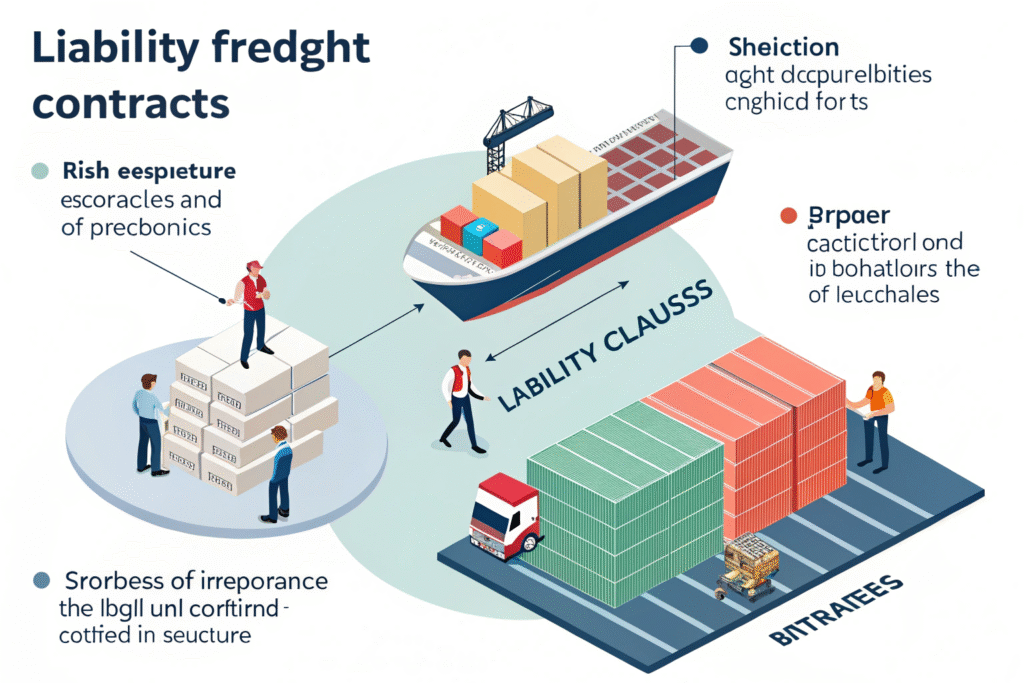
How Should Carrier Liability and Limitations Be Structured?
Carrier liability limits should reflect actual cargo values rather than standard limitations. Most carriers default to minimal liability (e.g., $500 per package), but this often falls far below actual cargo value, making increased liability limits essential for adequate protection.
Time limitations for claims filing prevent unexpected claim denials. Standard contracts often require damage notifications within very short windows (sometimes 24-48 hours), which should be extended to reasonable periods that allow for proper inspection and documentation.
Consequential damage exclusions should be carefully evaluated. Many carrier contracts exclude liability for indirect damages like lost production or market losses, which can represent the majority of actual business impact from shipping disruptions.
What Shipper Liability Provisions Protect Both Parties?
Accurate information provision clauses define shipper responsibilities. Clearly stating that shippers must provide accurate weights, dimensions, and hazardous material declarations prevents carriers from denying claims based on information errors.
Packaging requirements specify necessary protection standards. Defining packaging standards that trigger carrier liability versus those that void protection ensures both parties understand packaging responsibilities.
Dangerous goods handling provisions allocate special risks. When shipping regulated materials, specific clauses should address compliance, documentation, and liability for improper handling or declaration.
How Do Service Scope and Performance Clauses Impact Operations?
Clearly defining service expectations and performance standards prevents misunderstandings and provides objective measurement criteria.

What Service Description Elements Prevent Scope Disputes?
Transportation mode specifications eliminate carrier discretion. Rather than allowing carriers to choose modes, specify exact service levels (e.g., "air freight" vs. "deferred air" vs. "express") to prevent cost-saving substitutions that impact delivery times.
Geographic scope definitions prevent service area misunderstandings. Clearly define origin and destination locations, including any special access requirements or restrictions that might affect pricing or capability.
Accessorial services detailing prevents unexpected charges. Specify which additional services (liftgate, inside delivery, notification requirements) are included versus those triggering extra charges.
How Should Performance Standards and Remedies Be Structured?
On-time performance metrics with clear measurement methodologies. Define how performance is measured (from pickup to delivery, door-to-door, etc.) and what constitutes a late delivery versus an exception.
Financial remedies for consistent underperformance create accountability. Liquidated damages for missing performance thresholds or service credit systems incentivize carriers to maintain service levels.
Reporting requirements ensure performance visibility. Require regular performance reports with specific metrics that allow objective evaluation of carrier performance against agreed standards.
What Payment and Financial Terms Require Special Attention?
Payment provisions significantly impact cash flow, cost predictability, and financial risk exposure.

How Can Pricing Structures Be Designed for Fairness and Predictability?
Rate mechanisms should balance carrier and shipper interests. Fixed rates provide predictability but lack market flexibility, while floating rates offer market alignment but create budgeting challenges.
Accessorial charge caps prevent cost surprises. Rather than open-ended accessorial pricing, establish maximum charges for common additional services or require pre-approval for charges above specified thresholds.
Fuel surcharge formulas should be transparent and verifiable. Link fuel surcharges to published indices with clear calculation methodologies rather than carrier-determined percentages.
What Payment Terms and Processes Protect Both Parties?
Payment timing should align with service completion and invoice accuracy. Standard 30-day terms are common, but consider extending to 45-60 days to allow for proper invoice verification and dispute resolution.
Invoice dispute procedures prevent payment delays during disagreements. Establish clear processes for disputing charges without jeopardizing entire payments or service continuity.
Audit rights provisions enable cost verification. Retain the right to audit carrier invoices and access supporting documentation to verify charge accuracy and contract compliance.
How Do Force Majeure and Exception Clauses Allocate Unforeseen Risks?
Exception provisions determine how unexpected events are handled, making them crucial during disruptions.

What Constitutes an Effective Force Majeure Clause?
Specific event enumeration prevents interpretation disputes. Beyond general language, list particular concerns relevant to your shipping patterns—port strikes, weather disruptions, political unrest, pandemic restrictions—to prevent arguments about what qualifies.
Notice requirements with specific timelines ensure prompt communication. Require carriers to provide immediate notice of force majeure events with regular updates on impact assessment and mitigation efforts.
Mitigation obligations prevent abuse of force majeure protections. Specify that parties must take reasonable steps to minimize impacts and cannot claim relief for avoidable consequences.
How Should Carriage Exceptions and Limitations Be Handled?
Standard carriage exceptions should be reviewed for reasonableness. Most contracts incorporate international conventions (Hague-Visby, Warsaw Convention) that limit liability, but these should be understood rather than blindly accepted.
Carrier discretion limitations prevent arbitrary service changes. Restrict carriers’ ability to reroute, transship, or change transportation modes without consultation unless safety requires immediate action.
Cargo care standards define expected handling practices. Specify minimum standards for cargo handling, storage conditions, and equipment requirements to prevent damage from improper practices.
What Termination and Dispute Resolution Provisions Ensure Fair Outcomes?
Exit strategies and conflict resolution mechanisms determine how relationships end or navigate difficult situations.
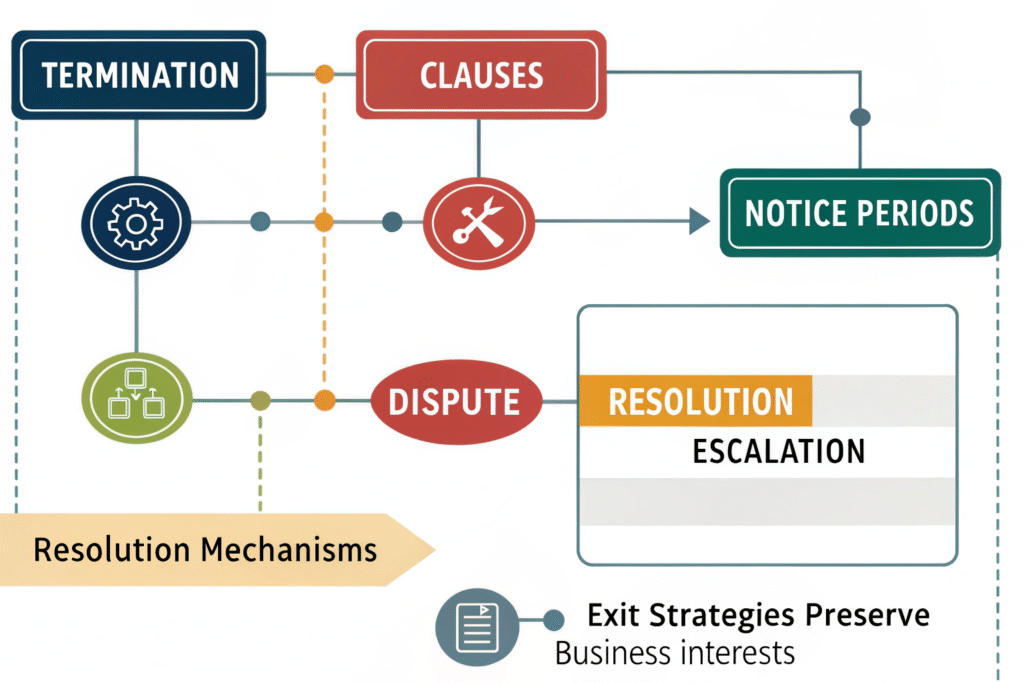
How Should Termination Rights Be Structured to Protect Both Parties?
Termination for cause with clear material breach definitions. Specify what constitutes material breach (consistent service failures, financial instability, regulatory violations) that justifies immediate termination.
Termination for convenience with reasonable notice periods. Allow either party to terminate without cause with 30-90 day notice, providing flexibility while ensuring operational continuity.
Post-termination obligations address transition requirements. Define what happens to in-transit cargo, outstanding charges, and operational transitions after termination notice.
What Dispute Resolution Mechanisms Provide Efficient Conflict Resolution?
Escalation procedures require management involvement before formal disputes. Specify that senior executives must attempt resolution before initiating formal dispute proceedings.
Mediation requirements preserve relationships through facilitated negotiation. Require non-binding mediation before arbitration or litigation, as many disputes resolve through mediated discussion.
Arbitration provisions can streamline resolution compared to litigation. Specify arbitration venue, procedural rules, and arbitrator selection criteria that ensure expertise and efficiency.
What Insurance and Indemnification Clauses Manage Risk Transfer?
Insurance requirements and indemnification provisions formally allocate risks and ensure financial protection.
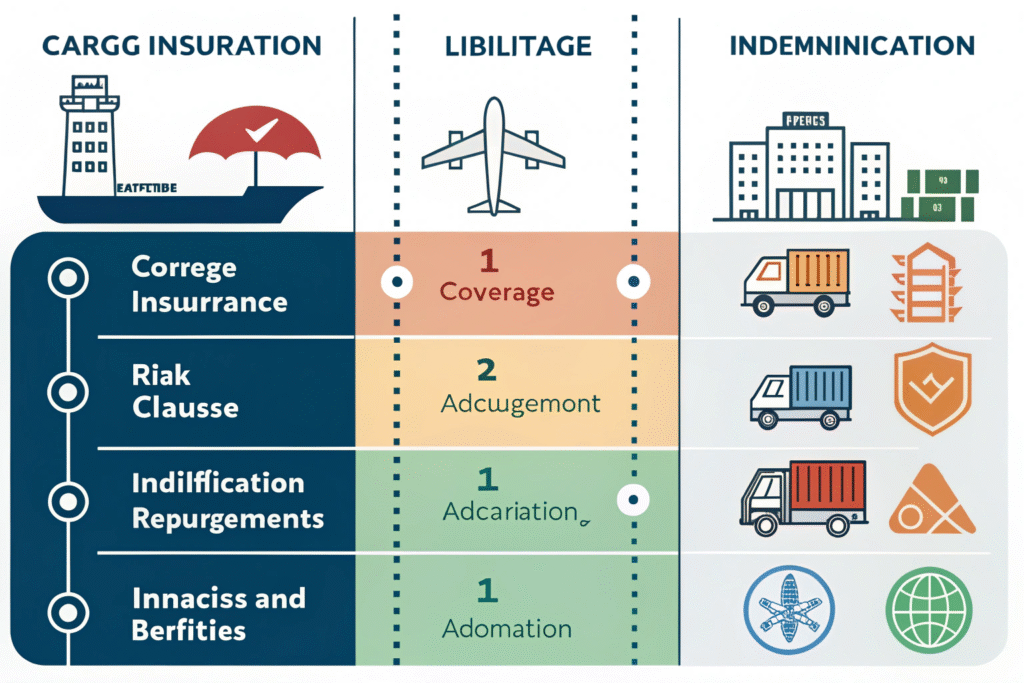
What Insurance Requirements Should Carriers Maintain?
Cargo liability insurance should align with liability limits. Require carriers to maintain insurance covering their maximum liability under the contract, with certificates provided as proof.
General liability insurance protects against third-party claims. Ensure carriers maintain adequate general liability coverage for operations, premises, and completed operations.
Workers’ compensation insurance prevents shipper liability for carrier employees. Verify carriers maintain statutory workers’ compensation coverage to prevent claims against shippers for workplace injuries.
How Should Indemnification Provisions Allocate Responsibility?
Mutual indemnification creates balanced protection. Each party should indemnify the other against losses caused by their negligence, misconduct, or breach of contract.
Third-party claim indemnification addresses external liabilities. Allocate responsibility for claims from third parties (customs, other carriers, public authorities) based on which party’s actions caused the issue.
Legal cost allocation in indemnification provisions. Specify whether indemnification includes legal defense costs or is limited to final judgments and settlements.
Conclusion
The most important freight contract clauses work together to create a balanced framework that protects both shipper and carrier interests while enabling efficient operations. The most successful contracts result from understanding which clauses have the greatest operational and financial impact, then negotiating terms that align with your specific risk tolerance and business requirements.
At GeeseCargo, we’ve helped clients reduce freight-related disputes by over 70% through strategic contract structuring that addresses both common and exceptional scenarios. The key is recognizing that freight contracts aren’t one-size-fits-all documents but should be customized to reflect specific shipping patterns, cargo characteristics, and risk profiles.
Begin your contract review by identifying your highest-value shipments and most critical service requirements, then ensure your contract provides adequate protection and performance guarantees for these priority areas. Remember that in freight contracting, the goal isn’t to eliminate all risk but to allocate risks appropriately and ensure you have adequate protection and remedies when things inevitably go wrong.