When one of our client’s vessels was denied entry to Australia due to non-compliance with new biosecurity regulations, it cost them $85,000 in delays and mandatory treatments. As founder of GeeseCargo with extensive global shipping experience, I’ve witnessed how rapidly health and safety regulations evolve and how compliance failures can devastate operations. Staying current isn’t just about avoiding penalties—it’s essential for maintaining uninterrupted global supply chains.
The latest health and safety rules in global shipping include updated IMO regulations on container weight verification, enhanced biosecurity measures for pest prevention, stricter crew welfare standards under the Maritime Labor Convention, new environmental health protocols for ballast water management, and COVID-era sanitation requirements that have become permanent in many jurisdictions.
Health and safety regulations now extend beyond traditional workplace safety to encompass environmental health, biological safety, and psychological welfare. The most compliant companies integrate these requirements into their operational DNA rather than treating them as separate compliance obligations.
What Are the Key IMO Regulatory Updates Affecting Health and Safety?
The International Maritime Organization continues to enhance global standards, with several significant updates implemented in recent years.

How Have Container Safety Regulations Evolved?
The amended SOLAS container weight verification requirement (VGM) now has enhanced enforcement. While implemented in 2016, recent years have seen stricter enforcement and expanded documentation requirements, with terminals increasingly refusing loading for non-compliant containers.
Revised CTU Code (Container Transport Unit) provides updated packing guidelines. The 2022 updates offer more detailed guidance on dangerous goods segregation, ventilation requirements, and pest prevention measures during packing.
Container inspection protocols have expanded for structural safety. Increased focus on structural integrity verification and mandatory repair standards for damaged containers prevents accidents during handling and transit.
What New Crew Health and Welfare Standards Apply?
The Maritime Labor Convention 2006 amendments strengthened mental health provisions. New requirements for addressing crew mental health, preventing harassment, and ensuring connectivity with families during long voyages.
Updated STCW requirements include enhanced medical training. Seafarers now require more comprehensive training in mental health first aid, infectious disease control, and modern medical emergency response.
Port state control has increased focus on crew welfare documentation. More rigorous inspections of crew accommodations, food quality, and working hours compliance during port state control inspections.
How Have Biosecurity Measures Intensified Globally?
Preventing transnational transfer of pests and diseases has become a major focus, with significant regulatory developments.

What Are the Latest ISPM 15 Updates for Wood Packaging?
Expanded treatment verification requirements now include more detailed documentation. The 2023 updates require more specific treatment certificates, batch tracking, and supplier accountability throughout the supply chain.
New pest risk categories have triggered additional declaration requirements. Certain wood species and origin countries now face enhanced scrutiny and mandatory additional treatments.
Digital marking systems are being piloted for better traceability. Several countries are testing QR codes and electronic seals to replace traditional stamps for better verification and fraud prevention.
How Have Agricultural and Food Safety Rules Evolved?
Enhanced cold chain monitoring is now mandatory for perishable foods. Temperature tracking, documentation, and validation requirements have expanded significantly since COVID-19, with many becoming permanent.
Country-specific restrictions have multiplied based on disease outbreaks. The spread of African Swine Fever, Avian Influenza, and plant diseases has triggered numerous new import restrictions and certification requirements.
Pre-arrival digital declarations are now standard for agricultural products. Most countries require electronic submission of phytosanitary certificates and import permits before vessel arrival to expedite risk assessment.
What COVID-Era Regulations Have Become Permanent?
Many temporary measures implemented during the pandemic have transitioned into permanent regulatory frameworks.
Which Sanitation and Hygiene Standards Remain Elevated?
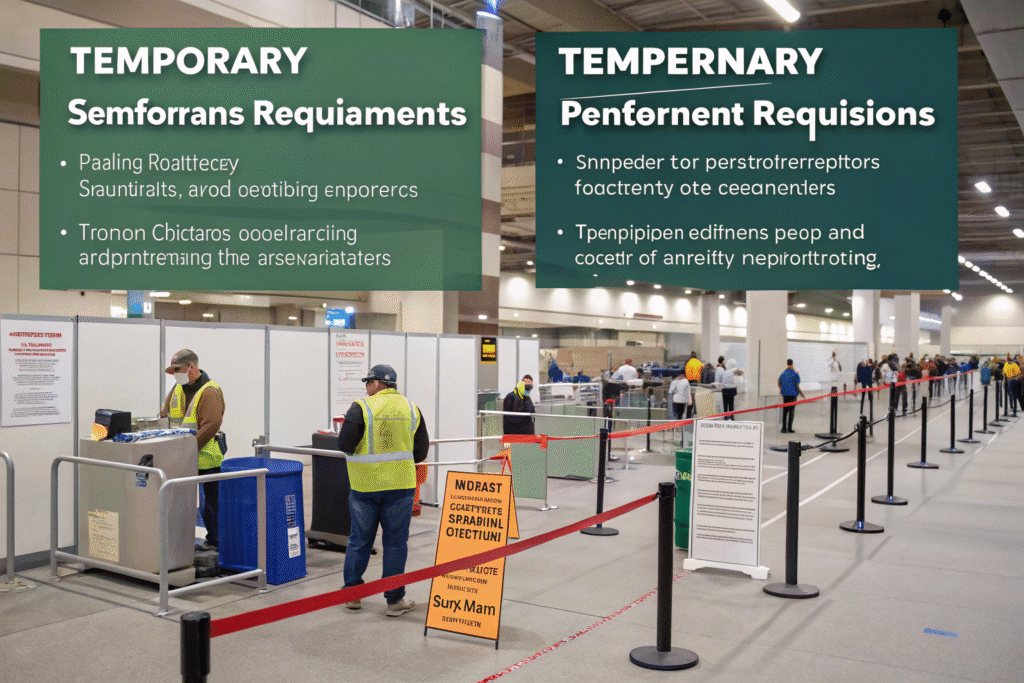
Enhanced vessel sanitation certification is now required in most ports. The COVID-era vessel sanitation inspections have become permanent with expanded scope including ventilation systems, water quality, and waste management.
Crew health monitoring and reporting continues with modified protocols. While quarantine requirements have largely ended, health surveillance, symptom reporting, and medical facility access requirements remain strengthened.
Port facility sanitation standards have been permanently elevated. Terminal operators must maintain enhanced cleaning protocols, sanitation station availability, and sick worker policies developed during the pandemic.
How Has Documentation and Declaration Processes Changed?
Electronic pre-arrival health declarations are now standard. The shift to digital crew health declarations, vessel sanitation statements, and passenger locator forms has become permanent across most jurisdictions.
Enhanced medical facility capability reporting is required. Vessels must document and declare medical equipment, trained personnel, and telemedicine capabilities during port entry procedures.
Supply chain health certification has expanded. Documentation verifying sanitation during packing, handling, and transportation is increasingly required for certain commodities, particularly food and pharmaceuticals.
What New Environmental Health Regulations Impact Shipping?
The intersection of environmental protection and public health has generated significant new regulatory requirements.

How Have Ballast Water Management Requirements Evolved?
The Ballast Water Management Convention implementation has entered strict enforcement phase. Most vessels now require approved ballast water treatment systems with specific performance standards and extensive documentation.
Port state control has intensified ballast water compliance verification. More frequent sampling, documentation reviews, and equipment inspections during port calls ensure system operation and compliance.
Enhanced risk assessment is required for certain trading patterns. Vessels operating in specific ecologically sensitive regions face additional ballast water exchange and treatment requirements.
What Air Emission Controls Affect Crew and Port Community Health?
Tier III NOx standards now apply to new vessels in Emission Control Areas. Stricter nitrogen oxide emissions standards in North American, US Caribbean, and Baltic Sea ECAs reduce airborne pollutants affecting port communities.
Enhanced SOx monitoring and verification has been implemented. Beyond the global 0.50% sulfur cap, increased fuel oil sampling, documentation requirements, and emissions monitoring protect air quality in port cities.
Port air quality management plans now include health impact assessments. Many major ports require vessels to participate in air quality monitoring and reduction initiatives as part of berthing agreements.
How Are Crew Safety Standards Evolving?
Crew welfare has gained increased regulatory attention with significant updates to safety and protection standards.
What New Mental Health and Wellness Requirements Exist?
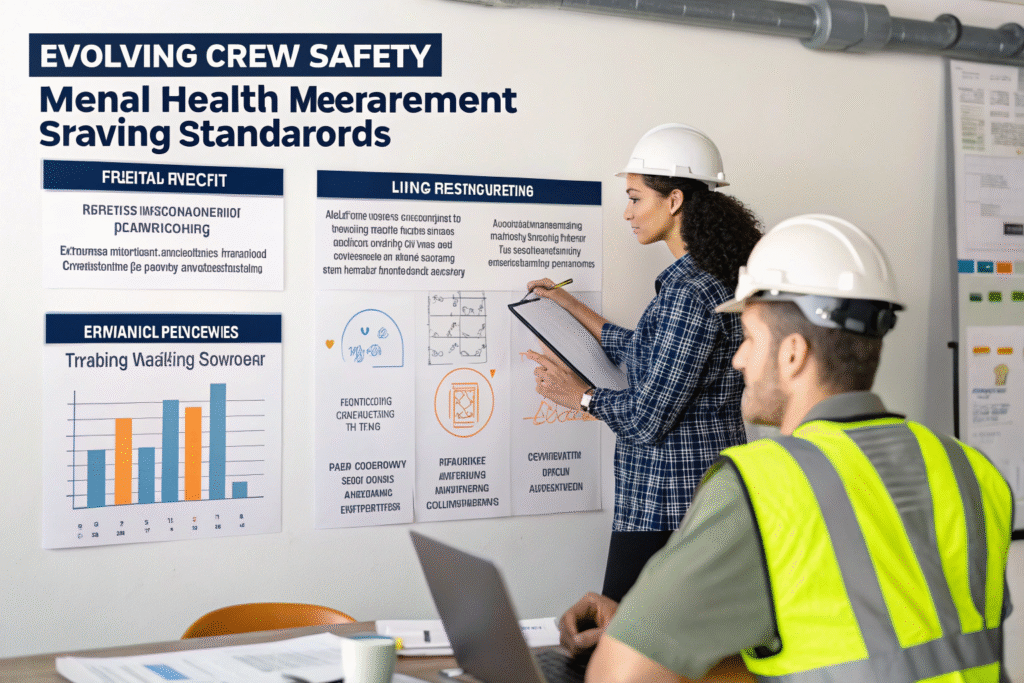
Mandatory mental health first aid training is now required for key crew. Updates to the STCW convention require specific officers to receive training in mental health awareness, crisis intervention, and support resource coordination.
Enhanced connectivity requirements support psychological welfare. Updated standards for crew internet access, communication facilities, and contact with families address isolation concerns identified during COVID-19 restrictions.
Work hour monitoring and fatigue management have stricter enforcement. Digital record-keeping, independent verification, and more rigorous port state control inspection of work hour compliance prevent fatigue-related accidents.
How Have Anti-Harassment and Protection Measures Strengthened?
Updated MLC requirements include specific anti-harassment policies. Vessels must implement detailed policies, reporting mechanisms, and investigation procedures for addressing harassment and bullying.
Enhanced protection for seafarer complaints has been implemented. Stronger whistleblower protections, confidential reporting channels, and independent dispute resolution mechanisms are now mandatory.
Crew representation and participation requirements have expanded. More structured safety committees, regular consultation meetings, and documented safety communications are now required.
What Are the Most Common Compliance Challenges?
Despite clear regulations, several areas consistently present challenges for global shipping operators.
Where Do Documentation and Record-Keeping Gaps Occur?
Inconsistent certification across jurisdictions creates compliance holes. Different countries accepting different versions of certificates or having unique additional requirements leads to unexpected non-compliance.
Training record maintenance fails to meet updated standards. The expansion of required training (mental health, environmental awareness, cyber security) has outpaced many companies’ record-keeping systems.
Equipment certification lags behind regulatory timelines. The lead time for obtaining updated certificates for safety equipment, pollution prevention systems, and medical facilities often causes compliance gaps.
How Does Regulatory Divergence Create Complexity?
Regional implementations of international standards vary significantly. IMO conventions implemented differently across regions create compliance challenges for vessels trading globally.
Port-specific requirements continue to multiply. Individual ports adding unique safety, security, or health requirements beyond international standards creates unexpected compliance burdens.
Enforcement discretion and interpretation differences cause inconsistencies. Similar regulations being enforced differently by various port state control regimes creates uncertainty for operators.
Conclusion
Global shipping health and safety regulations have evolved significantly, with expanded scope covering traditional workplace safety, environmental health, biological security, and psychological welfare. The most compliant companies treat these regulations as integrated operational requirements rather than separate compliance obligations, building systems that ensure consistent adherence across all operations.
At GeeseCargo, we’ve helped clients achieve 95%+ compliance rates through systematic regulatory monitoring, integrated management systems, and proactive compliance verification. The key is recognizing that health and safety excellence requires continuous attention to regulatory developments rather than periodic compliance reviews.
Begin your compliance enhancement by conducting a comprehensive gap analysis against current international and regional requirements, then implement systematic processes for monitoring regulatory changes and verifying compliance. Remember that in global shipping, health and safety compliance isn’t just about avoiding penalties—it’s about protecting your people, your operations, and your reputation in an increasingly regulated global environment.