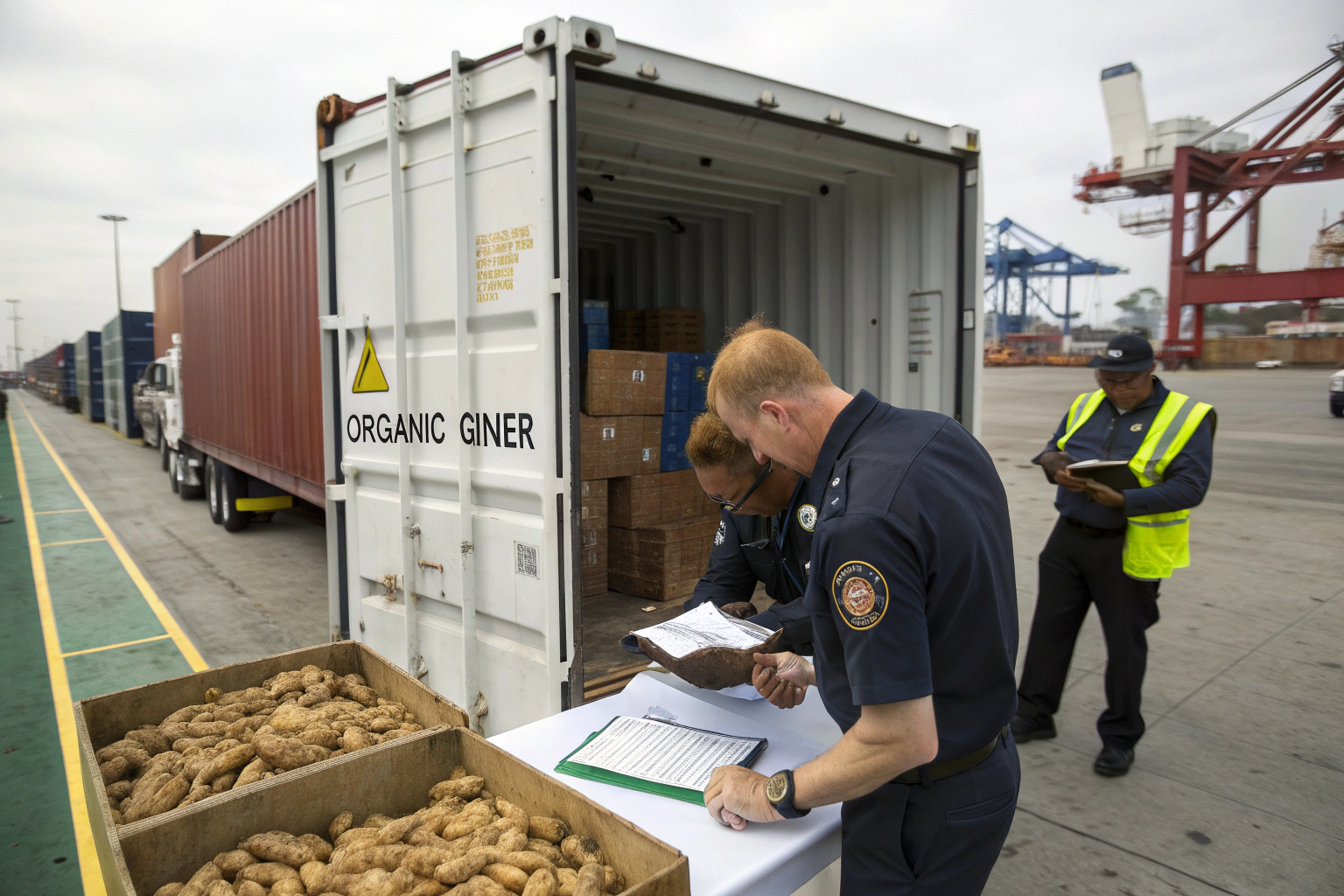
When one of our clients attempted to import "organic" ginger from China without proper certification, US customs rejected their entire $85,000 shipment, resulting in complete product loss and substantial penalty fees. As founder of GeeseCargo with extensive agricultural import experience, I’ve learned that importing organic products from China requires navigating a complex web of certification requirements, documentation, and verification processes that differ significantly from conventional agricultural imports.
Yes, you can import organic agricultural products from China, but they must be certified under USDA’s National Organic Program (NOP) or have equivalent recognition through trade agreements. Chinese organic products require USDA-accredited certification, proper documentation including Organic Certificates and Transaction Certificates, and must meet all standard FDA and USDA import requirements for agricultural products.
The organic import process involves multiple verification steps and specialized documentation. While challenging, proper understanding and execution enables successful importation of Chinese organic products that meet US regulatory standards and consumer expectations.
What Certification Requirements Must Chinese Organic Products Meet?
The certification framework ensures that imported organic products meet the same standards as domestically produced organic items.
How Does the USDA NOP Equivalency Agreement Work?
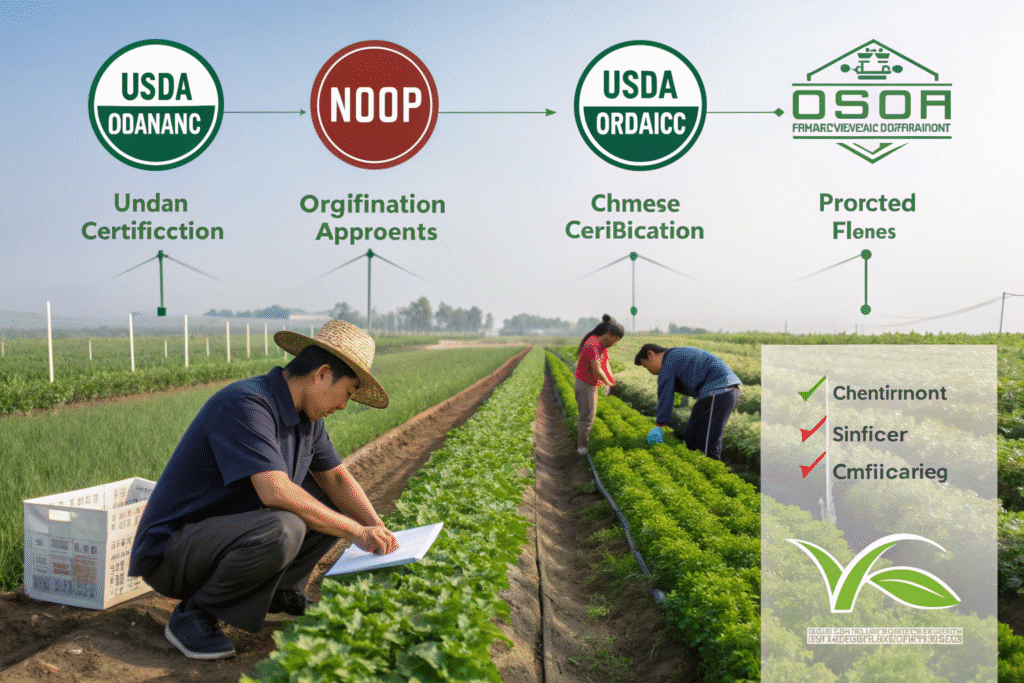
The US and China have organic equivalence arrangement since 2014. This agreement means USDA recognizes China’s organic certification system as equivalent to the NOP, allowing Chinese products certified under China’s organic program to be sold as organic in the US.
Chinese products must be certified by China Organic Food Certification Center (COFCC) or other USDA-recognized bodies. The certification must follow USDA NOP standards, and certifiers must be accredited by China’s Certification and Accreditation Administration (CNCA).
USDA’s Agricultural Marketing Service oversees import compliance. The USDA AMS verifies that imported organic products meet NOP standards through documentation review and potential testing.
What Documentation Is Required for Organic Imports?
Organic Certificate from accredited certifier must accompany shipments. This document proves the product was produced and handled according to NOP standards throughout the supply chain.
Transaction Certificate (TC) tracks organic integrity through trade. Each change of ownership requires a TC showing the product maintained organic integrity during storage, transportation, and handling.
Import Certificate from USDA may be required for certain products. Some organic agricultural products need specific USDA import permits in addition to standard organic documentation.
What Are the Specific Requirements for Different Product Categories?
Different organic agricultural products face varying requirements based on product type, processing level, and risk factors.
How Do Requirements Differ for Fresh Versus Processed Organics?
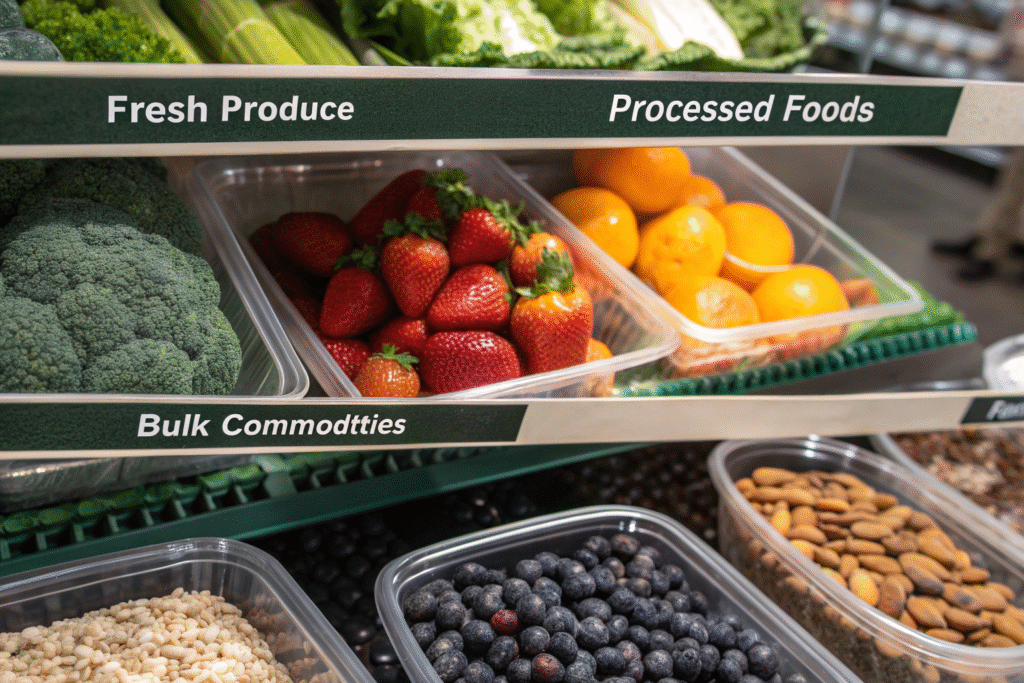
Fresh fruits and vegetables need farm-level certification documentation. The organic certificate must verify that growing practices, soil management, and pest control methods meet NOP standards for the specific crop.
Processed organic foods require facility certification and ingredient tracking. Processors must maintain organic integrity throughout manufacturing, with documentation showing all ingredients meet organic standards.
Multi-ingredient products need percentage calculations and ingredient verification. Products containing multiple ingredients must specify the percentage of organic content and provide certification for each organic ingredient.
What Special Considerations Apply to High-Risk Products?
Rice and grains face additional scrutiny for pesticide residues. Despite organic certification, these products often undergo additional testing due to historical issues with chemical contamination in Chinese agricultural products.
Teas and herbs require documentation of wild harvesting practices. For wild-collected organic products, certifiers must verify sustainable harvesting methods and absence of chemical treatments in growing areas.
Processed soy products need GMO testing verification. Given China’s significant conventional soybean production, organic soy products require documentation proving absence of GMO contamination.
How Does the Import Process Work for Organic Products?
The organic import process involves specific steps beyond conventional agricultural imports to maintain organic integrity and compliance.
What Are the Key Steps in the Organic Import Process?
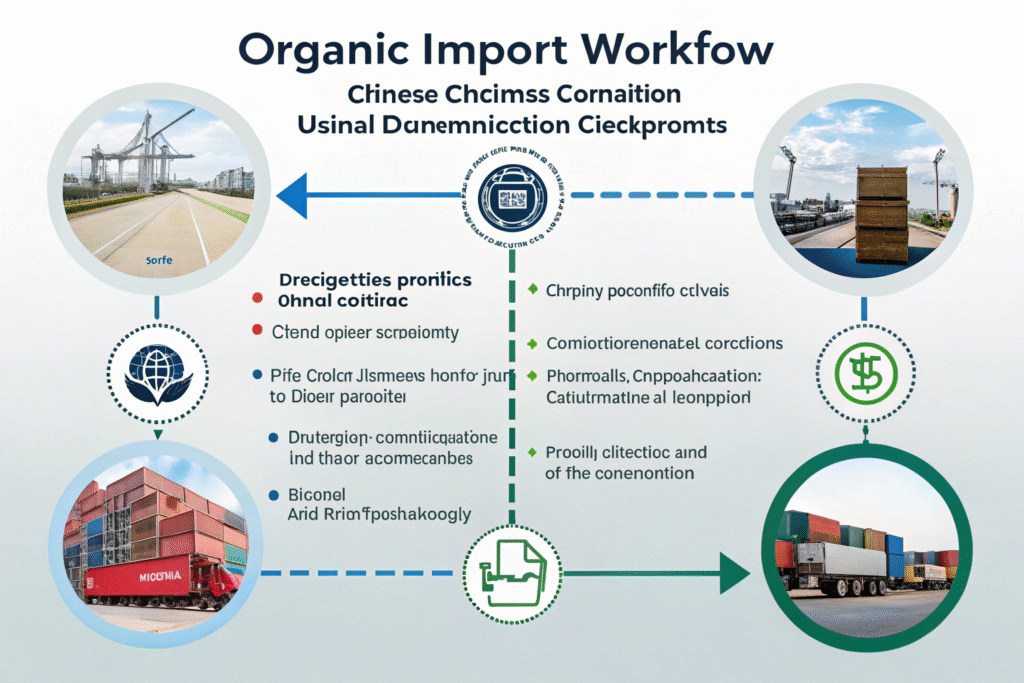
Pre-shipment verification ensures documentation completeness. Before shipping, verify that all organic certificates, transaction certificates, and other required documents are complete and accurate.
Customs clearance requires specific organic declaration. When filing entry with US Customs, clearly declare products as organic and present all required organic documentation for verification.
AMS review may include documentation audit or testing. The USDA Agricultural Marketing Service may review documentation and potentially test samples to verify organic compliance.
How Can You Maintain Organic Integrity During Shipping?
Container segregation prevents commingling with conventional products. Organic products should ship in containers that haven’t held conventional products or should undergo thorough cleaning with documentation.
Storage separation maintains organic status during transit. If products transship through facilities handling conventional agriculture, documentation must prove separation and prevention of contamination.
Transportation documentation tracks chain of custody. Maintain records showing organic products weren’t commingled or contaminated during transportation from China to final US destination.
What Are the Biggest Challenges Importing Chinese Organics?
Several significant challenges require careful management for successful organic imports from China.
How Significant Are Certification and Verification Challenges?
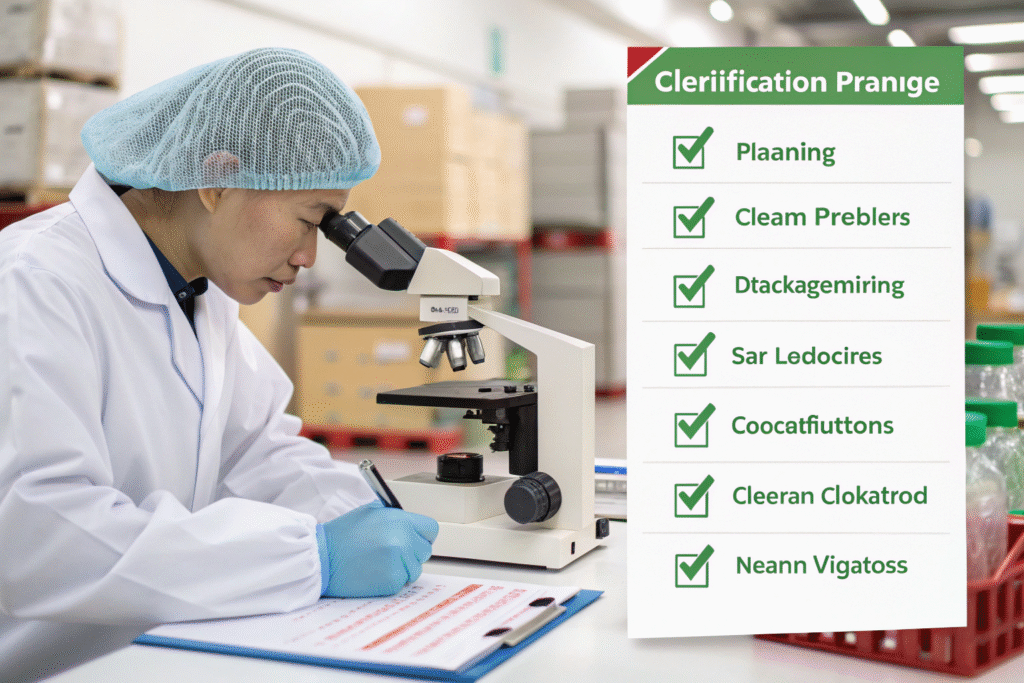
Fraudulent certification remains a concern in Chinese organic exports. Some suppliers present falsified organic certificates, requiring importers to independently verify certification authenticity directly with certifying bodies.
Documentation inconsistencies cause customs delays. Incomplete or inconsistent information between organic certificates, commercial invoices, and other documents frequently triggers customs holds and examinations.
Language barriers complicate verification processes. Chinese documentation often requires translation and interpretation to verify compliance with NOP requirements.
What Contamination Risks Require Management?
Environmental contamination affects some Chinese agricultural regions. Soil and water pollution in certain Chinese growing regions creates risks of heavy metal contamination even in certified organic products.
Cross-contamination during processing and storage. Facilities handling both organic and conventional products risk contamination if separation protocols aren’t strictly followed.
Pesticide drift from conventional farms. In regions with mixed conventional and organic farming, pesticide drift can contaminate organic crops despite proper farming practices.
How Can You Verify Chinese Organic Certification?
Verification processes help ensure the organic products you’re importing genuinely meet required standards.
What Verification Methods Provide Assurance?
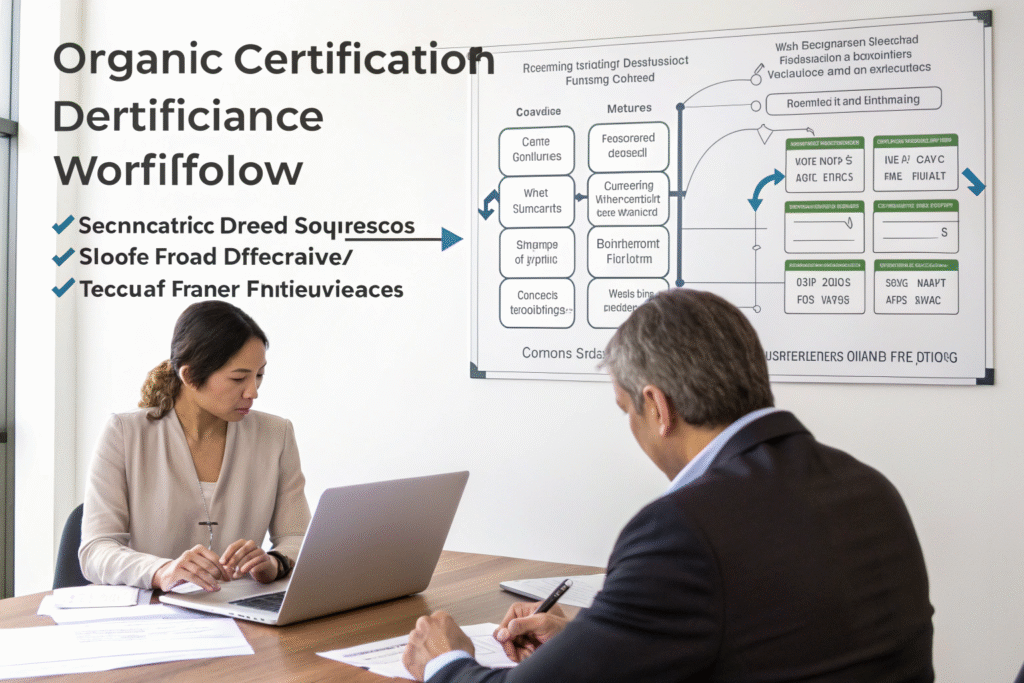
Direct verification with certification bodies confirms authenticity. Contact certifiers directly using official contact information (not supplier-provided) to verify certification status and scope.
USDA’s organic integrity database provides verification tool. The USDA maintains a database of certified operations that can be searched to verify Chinese organic certifications.
Third-party inspection and testing validates claims. Hiring independent inspectors to verify farming practices and conducting laboratory testing provides additional assurance beyond documentation review.
What Red Flags Indicate Potential Certification Issues?
Unusually low pricing may indicate fraudulent certification. Organic production typically costs 20-50% more than conventional, so prices significantly below market rates may signal fraud.
Vague or inconsistent documentation suggests problems. Certificates missing specific details, using generic language, or containing inconsistencies warrant additional verification.
Reluctance to provide certifier contact information raises concerns. Legitimate organic producers typically facilitate direct verification with their certifiers.
What Are the Costs and Lead Times for Organic Imports?
Organic imports involve additional costs and longer lead times compared to conventional agricultural products.
What Additional Costs Should You Budget For?
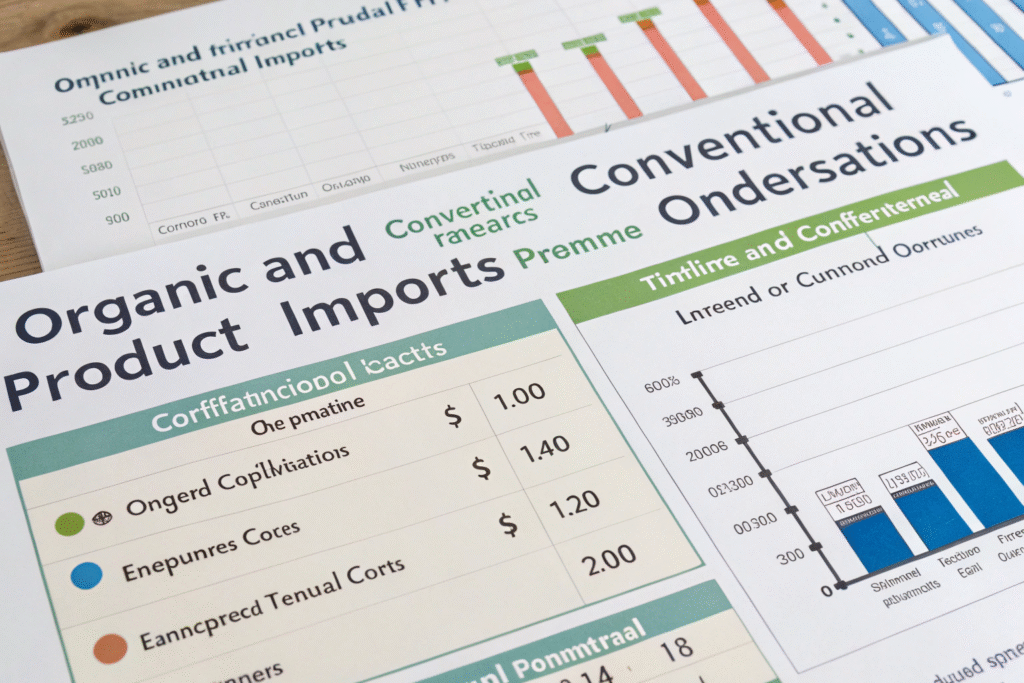
Organic price premium typically ranges 25-100% above conventional. The increased production costs for organic farming translate to higher purchase prices for organic products.
Certification verification adds $500-$2,000 per supplier. Third-party verification of organic certifications represents an additional cost not incurred with conventional imports.
Testing and inspection costs range $300-$1,500 per shipment. Laboratory testing for pesticides, GMOs, and heavy metals provides assurance but adds to import costs.
How Do Lead Times Differ from Conventional Imports?
Certification verification adds 2-4 weeks to sourcing timeline. Properly verifying organic certifications before ordering prevents problems but extends the sourcing process.
Documentation preparation requires additional 1-2 weeks. Gathering and verifying all required organic documentation takes longer than conventional import documentation.
Customs clearance may take 3-7 days longer. Organic shipments often face additional scrutiny, potentially extending customs clearance times.
Conclusion
Importing organic agricultural products from China is feasible but requires diligent attention to certification, documentation, and verification processes. The most successful importers treat organic imports as specialized operations requiring specific expertise and systematic approaches rather than simply applying conventional import processes to organic products.
At GeeseCargo, we’ve helped clients successfully import Chinese organic products while avoiding the common pitfalls that lead to rejected shipments or compliance issues. The key is building relationships with verified suppliers, maintaining meticulous documentation, and implementing robust verification processes that ensure organic integrity from farm to import.
Begin your organic import journey by thoroughly understanding NOP requirements, then carefully verify potential suppliers’ certifications before ordering, and finally maintain detailed documentation throughout the supply chain. Remember that in organic importing, the cost of prevention through proper verification is always lower than the cost of non-compliance through rejected shipments or regulatory penalties.