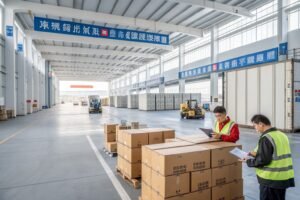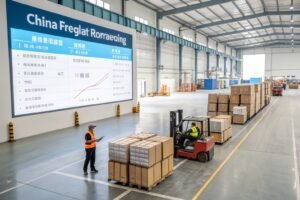
When one of our e-commerce clients reduced their last-mile delivery costs by 34% while improving on-time performance to 98.2%, they discovered that last-mile excellence isn’t just about delivery—it’s a competitive advantage that directly impacts customer loyalty and lifetime value. As founder of GeeseCargo with extensive US logistics experience, I’ve learned that last-mile improvement requires addressing multiple interconnected factors from technology to carrier relationships to customer communication.
Improving last-mile delivery involves optimizing carrier mix, implementing advanced routing software, enhancing delivery density, developing flexible delivery options, and leveraging data analytics. Companies implementing comprehensive last-mile strategies typically reduce costs by 25-40%, improve on-time delivery by 20-35%, and increase customer satisfaction scores by 30-50%.
Last-mile delivery represents 53% of total shipping costs and is the only physical touchpoint most e-commerce customers experience with your brand. This makes last-mile performance not just a logistics challenge but a critical business differentiator that demands strategic investment and continuous optimization.
What Carrier Strategy Optimizes Cost and Service?
A strategic approach to carrier selection and management balances cost, coverage, and service quality across different shipment profiles.
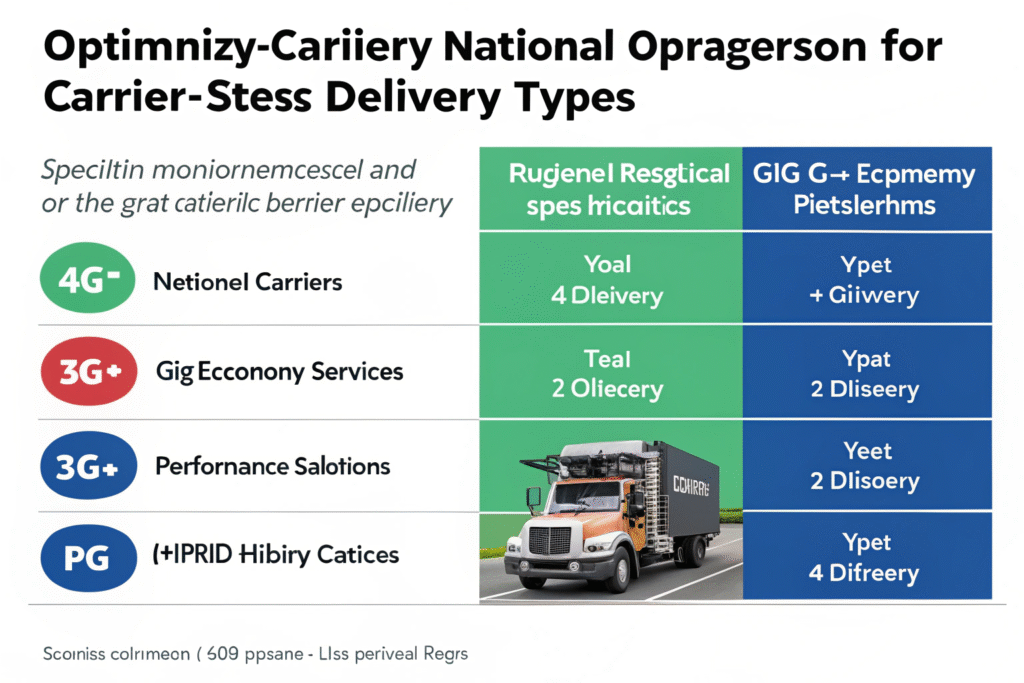
How Can You Develop an Effective Multi-Carrier Approach?
Tiered service levels match delivery speed to customer needs and willingness to pay. Implement economy (4-7 days), standard (2-3 days), and expedited (1-2 days) options with appropriate carrier assignments based on destination and service level.
Geographic carrier specialization leverages regional strengths. Use national carriers (UPS, FedEx) for broad coverage, regional carriers for specific areas where they excel, and local couriers for same-day delivery in dense urban markets.
Shipment characteristic routing optimizes for package attributes. Route lightweight parcels through USPS, heavier boxes through ground services, and high-value items through premium carriers with enhanced tracking and security.
What Performance Management Improves Carrier Relationships?
Regular performance reviews with scorecards maintain accountability. Track and discuss metrics including on-time delivery, damage rates, first-attempt success, and pickup reliability with each carrier partner.
Volume-based incentive negotiations secure better rates and priority treatment. Consolidate volume with fewer carriers to achieve tiered pricing while maintaining backup options for peak periods or service failures.
Collaborative problem-solving transforms carrier relationships. Work with carriers to understand their operational constraints and jointly develop solutions rather than simply making demands.
How Can Technology Transform Last-Mile Efficiency?
Modern technology solutions provide the visibility, optimization, and automation needed for last-mile excellence.
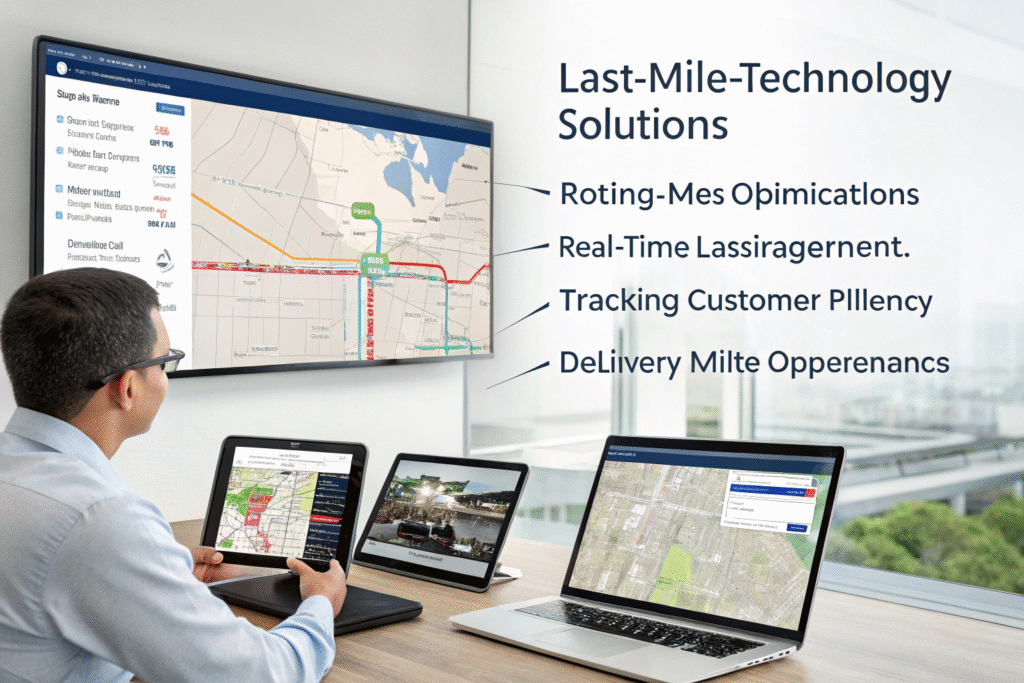
What Routing and Optimization Systems Deliver Value?
Dynamic routing software adjusts in real-time to changing conditions. Systems that incorporate traffic, weather, and delivery constraints can reduce route miles by 15-25% and improve stops per hour by 20-35%.
Machine learning algorithms predict optimal carrier and service selection. AI systems that analyze historical performance data can automatically select the best carrier and service level for each shipment based on destination, timing, and cost parameters.
API integration creates seamless data flow between systems. Connecting your OMS, WMS, and carrier systems prevents manual data entry, reduces errors, and provides end-to-end visibility.
How Does Real-Time Visibility Enhance Last-Mile Performance?
Proactive exception management prevents customer service issues. Systems that flag potential delays before they occur enable proactive customer communication and alternative arrangements.
Driver communication tools facilitate last-minute changes. Mobile apps that enable direct communication between dispatchers, drivers, and customers improve first-attempt delivery rates and problem resolution.
Performance analytics identify improvement opportunities. Detailed reporting on delivery patterns, failure reasons, and geographic challenges enables targeted process improvements.
What Delivery Density Strategies Reduce Costs?
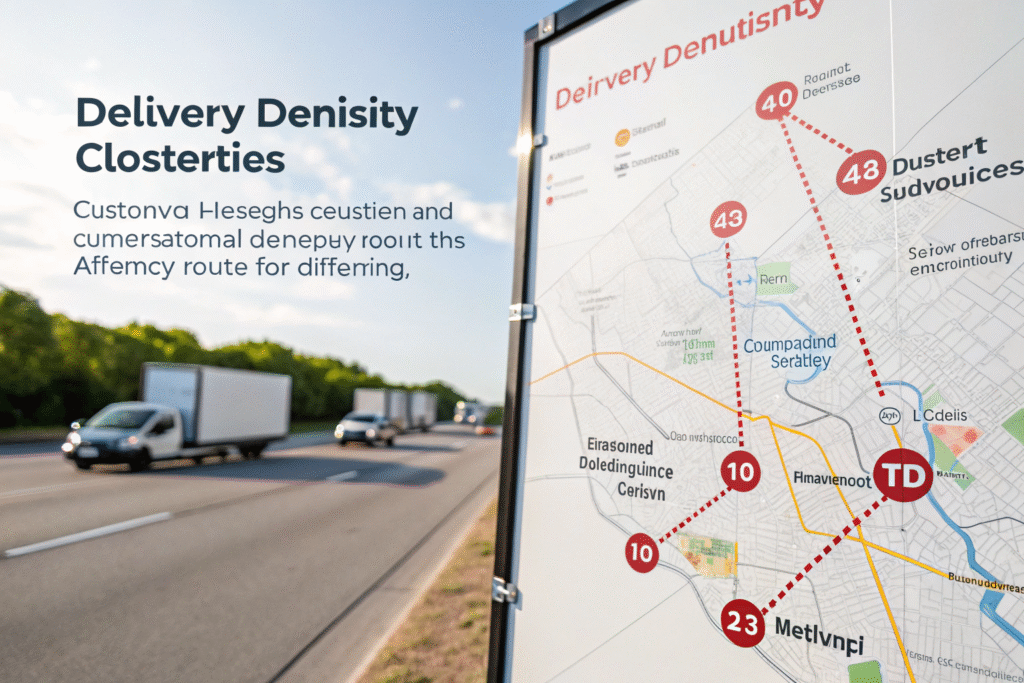
Increasing stops per route is the most effective way to reduce per-package delivery costs while maintaining service quality.
How Can You Increase Stops Per Route?
Geographic shipping incentives encourage customer concentration. Offer discounted or free shipping to zip codes where you have existing delivery density to naturally concentrate your customer base.
Delivery time windows increase route efficiency. By grouping deliveries with similar time requirements, carriers can optimize stop sequencing and reduce backtracking.
Batch processing of same-area orders creates natural density. Holding orders for 12-24 hours to create critical mass for specific areas can significantly improve delivery economics.
What Alternative Delivery Locations Improve Efficiency?
Pickup point networks reduce individual stop requirements. Using retail partners, locker systems, and convenience stores as pickup locations consolidates deliveries while offering customer convenience.
Safe place delivery options increase first-attempt success. Allowing customers to designate secure delivery locations (garages, porches, with neighbors) reduces reattempt costs and improves convenience.
Commercial delivery consolidation serves business districts efficiently. Grouping deliveries to office buildings, business parks, and industrial areas during specific time windows maximizes driver productivity.
How Can Delivery Options Enhance Customer Experience?
Flexible, transparent delivery options transform last-mile from a cost center to a customer satisfaction driver.
What Delivery Choices Do Customers Value Most?
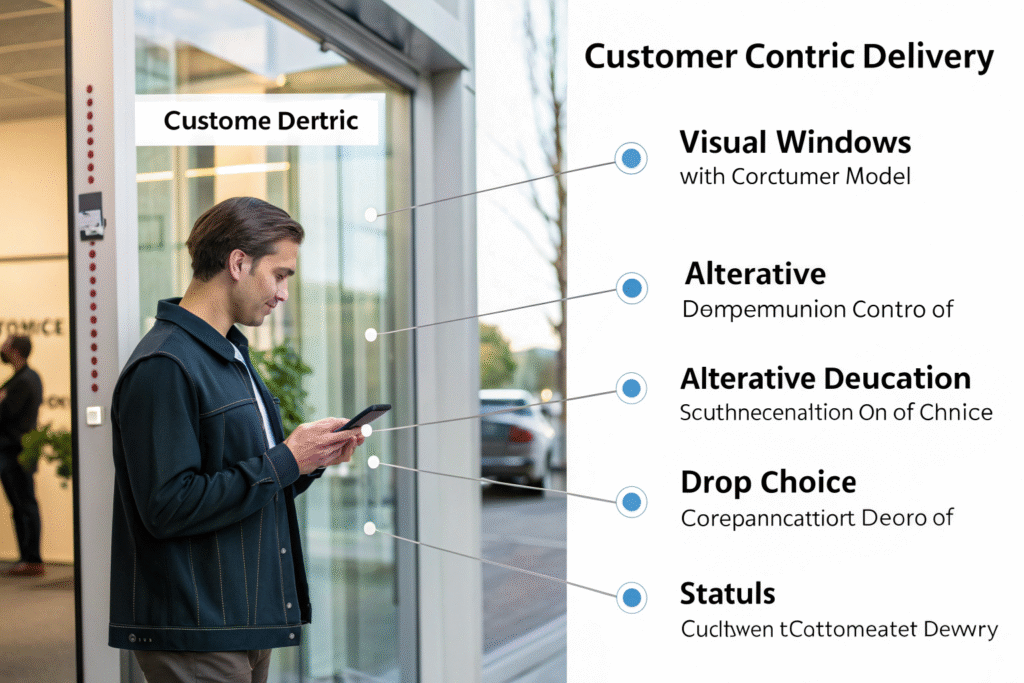
Specific delivery time windows (2-hour slots) meet convenience needs. While more operationally complex, precise time windows significantly increase customer satisfaction and home availability.
Delivery date flexibility allows customers to choose based on their schedules. Allowing customers to select from multiple delivery dates improves first-attempt success and reduces frustration.
Alternative location options accommodate various living situations. Offering delivery to workplaces, pickup points, or neighbors provides solutions for customers who aren’t home during standard delivery hours.
How Does Communication Transform the Delivery Experience?
Proactive status updates manage customer expectations. Notifications at key milestones (order confirmation, shipping, out for delivery, delays) reduce customer anxiety and support inquiries.
Real-time tracking with accurate ETAs provides transparency. GPS-enabled tracking that shows precise vehicle location and estimated arrival times improves customer preparation and satisfaction.
Delivery confirmation with photos provides proof and peace of mind. Photo confirmation of delivered packages reduces "where is my order" inquiries and provides evidence in case of disputes.
What Data Analytics Drive Last-Mile Improvement?
Systematic analysis of last-mile performance data identifies improvement opportunities and validates strategy effectiveness.
What Key Performance Indicators Matter Most?
Cost per delivery by geographic area reveals optimization opportunities. Analyzing delivery costs at the zip code level identifies areas where alternative strategies (pickup points, regional carriers) could reduce expenses.
First-attempt delivery rate directly impacts costs and satisfaction. Each failed delivery attempt typically adds $10-15 in additional costs while frustrating customers.
On-time performance by carrier and service level guides partner selection. Understanding which carriers consistently meet delivery commitments in specific areas enables smarter routing decisions.
How Can Predictive Analytics Improve Planning?
Demand forecasting by geographic area optimizes inventory placement. Predicting order concentrations helps position inventory in fulfillment centers closer to demand, reducing transit times and costs.
Delivery difficulty scoring identifies challenging addresses early. Systems that flag addresses with historical delivery problems (access issues, business closures) enable proactive solutions.
Seasonal variation modeling prepares for peak period challenges. Understanding how delivery patterns change during holidays, weather events, and promotional periods enables better capacity planning.
What Are Common Last-Mile Improvement Mistakes?
Understanding frequent errors helps businesses avoid costly missteps in their last-mile optimization efforts.
What Strategic Errors Undermine Last-Mile Improvement?
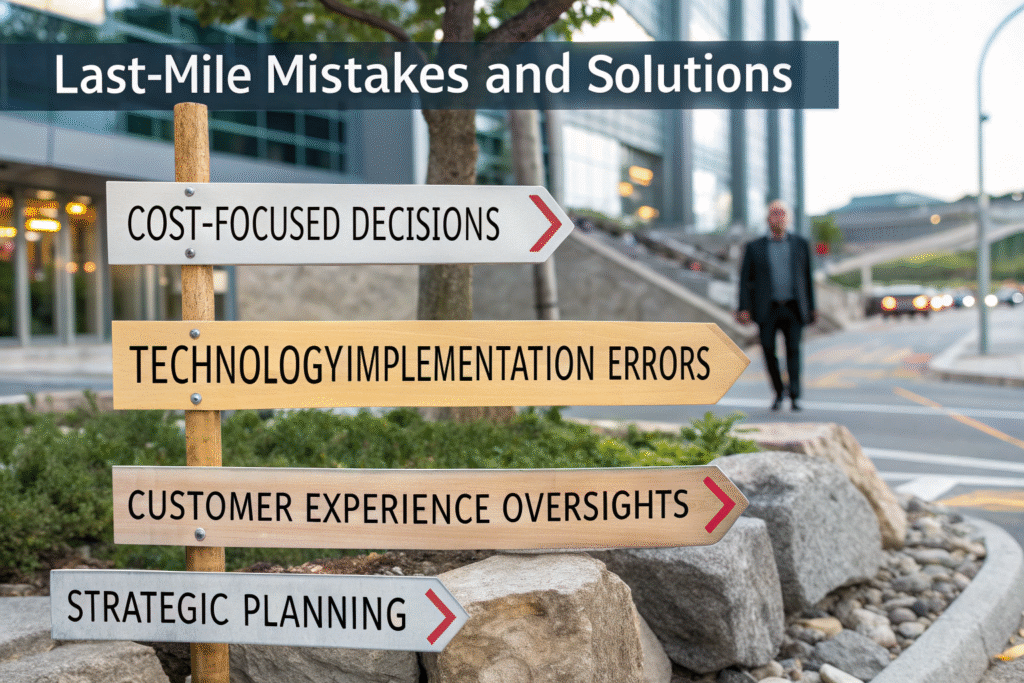
Over-optimizing for cost at the expense of customer experience. The cheapest delivery option often creates the most customer frustration through slow service, poor communication, or limited flexibility.
Underestimating the importance of delivery flexibility and choice. Customers increasingly expect delivery options that accommodate their schedules, not just the shipper’s operational convenience.
Failing to align last-mile strategy with brand positioning. Luxury brands need white-glove delivery experiences, while value brands prioritize cost efficiency—mismatched strategies create customer dissonance.
What Operational Mistakes Increase Costs and Problems?
Inadequate carrier performance management and accountability. Without systematic measurement and improvement initiatives, carrier performance typically degrades over time through complacency.
Poor communication between internal teams and external partners. When marketing, operations, and customer service operate with different delivery assumptions and promises, customer disappointment is inevitable.
Insufficient testing of new last-mile initiatives before full implementation. Rolling out new carriers, technologies, or processes without thorough pilot testing creates widespread problems when issues emerge.
Conclusion
Improving last-mile delivery requires a holistic approach that balances operational efficiency, customer experience, and strategic alignment. The most successful companies treat last-mile not as a simple logistics function but as a critical brand touchpoint that deserves strategic investment and continuous optimization. By leveraging technology, data analytics, strategic partnerships, and customer-centric design, businesses can transform last-mile delivery from a cost center to a competitive advantage.
At GeeseCargo, we’ve helped clients achieve last-mile transformations that reduced costs by 25-40% while simultaneously improving customer satisfaction scores by 30-50 points. The most successful implementations combine technological enablement with process redesign and cultural shift, recognizing that last-mile excellence requires coordination across the entire organization.
Begin your last-mile improvement journey by conducting a comprehensive assessment of your current performance across cost, service, and customer satisfaction dimensions. Then develop a phased improvement plan that addresses your highest-impact opportunities while building toward a long-term last-mile strategy aligned with your business objectives and customer expectations.