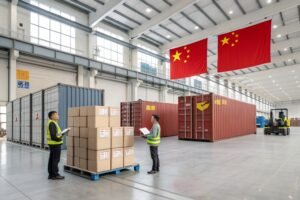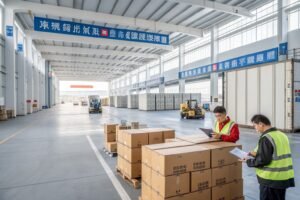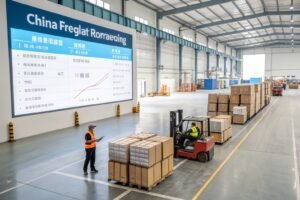
When one of our clients attempted to synchronize sea and air freight for a product launch, they discovered that 30% of their air-shipped components arrived before the sea-freighted main inventory, creating $85,000 in storage costs and missed sales opportunities. As founder of GeeseCargo with extensive multi-modal experience, I’ve learned that combining sea and air freight requires sophisticated coordination that goes far beyond simply choosing the cheapest option for each shipment.
The primary challenges of using both sea and air freight include inventory synchronization difficulties, cost allocation complexity, documentation inconsistencies, capacity planning uncertainties, and significant operational coordination requirements. Companies successfully navigating these challenges typically achieve 15-25% overall logistics cost savings while maintaining service levels, but poor implementation can increase costs by 30-50%.
Effectively combining transportation modes transforms logistics from a cost center to competitive advantage, but requires addressing fundamental operational, financial, and strategic challenges that don’t exist when using single modes.
What Inventory Management Challenges Arise?
Coordinating inventory flows across dramatically different transit times creates complex forecasting and positioning challenges.
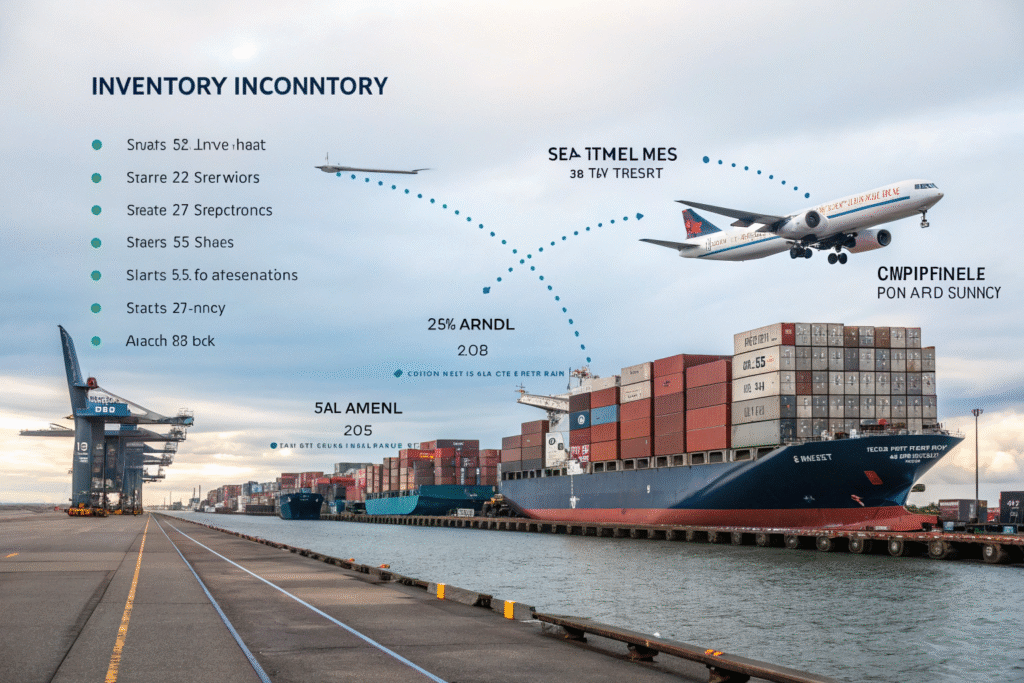
How Do Different Transit Times Complicate Inventory Planning?
Massive transit time variations create inventory coordination gaps. Sea freight typically takes 30-45 days from China to the US or Europe, while air freight requires only 3-7 days, creating potential inventory mismatches of 4-6 weeks.
Uncertain arrival timing for sea freight complicates planning. While air freight arrival is predictable within hours, sea freight can vary by 3-7 days due to weather, port congestion, or schedule changes, creating synchronization challenges.
Buffer stock requirements increase with multi-modal strategies. Companies must maintain higher safety stocks to account for sea freight variability while still leveraging air freight for urgent needs, increasing working capital requirements.
What Inventory Positioning Problems Occur?
Premature air freight arrivals create unexpected storage costs. When air-shipped components or products arrive weeks before sea-freighted inventory, they incur storage fees and capital tie-up without revenue generation.
Stock-out situations still occur despite multi-modal approaches. Poor coordination between modes can result in both air and sea shipments arriving simultaneously after stock-outs, followed by extended periods with excess inventory.
Warehouse space planning becomes significantly more complex. Facilities must handle unpredictable arrival patterns and varying shipment sizes (full containers versus air pallets) while maintaining efficient operations.
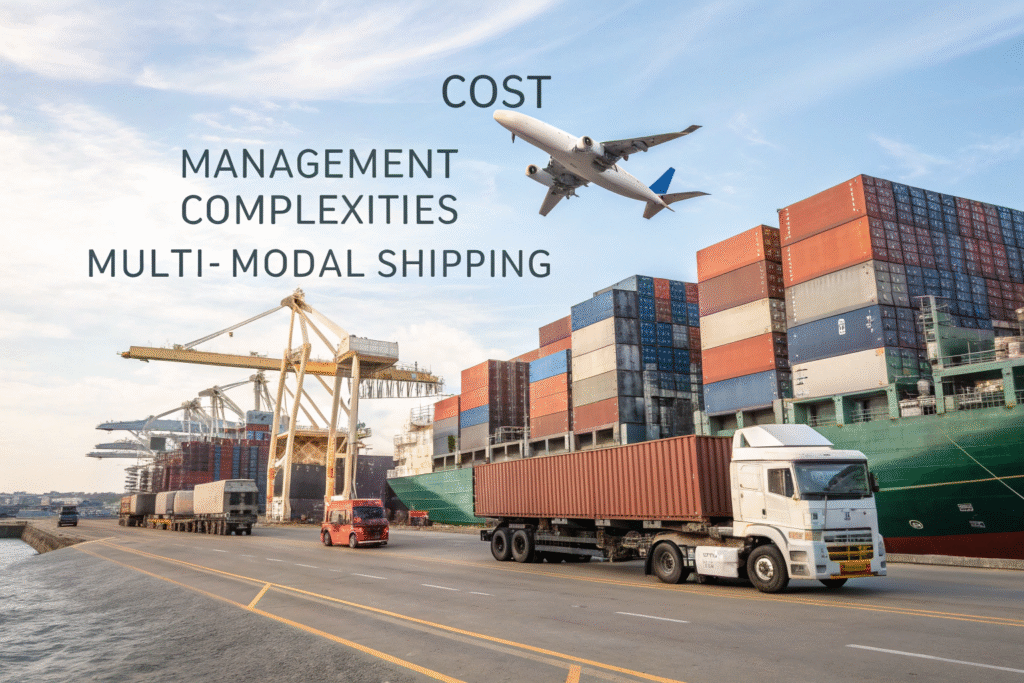
What Cost Management Complexities Emerge?
The financial aspects of multi-modal shipping involve more than simply comparing sea versus air rates.
How Do Different Cost Structures Create Accounting Challenges?
Variable versus fixed cost proportions differ significantly between modes. Sea freight has high fixed costs (container fees) with relatively low variable costs, while air freight is predominantly variable costs based on weight and volume.
Hidden costs emerge from multi-modal coordination. Expenses like cross-docking, temporary storage, expedited processing, and additional handling often negate anticipated savings from modal optimization.
Cost allocation to products or departments becomes complex. Determining which products should bear premium air freight costs versus baseline sea costs requires sophisticated accounting and decision frameworks.
What Budgeting and Forecasting Difficulties Arise?
Unpredictable mode selection makes accurate budgeting challenging. The proportion of sea versus air freight can vary monthly based on demand fluctuations, supplier performance, and inventory emergencies.
Currency and fuel cost exposure varies by mode. Sea freight faces significant fuel surcharge volatility, while air freight costs are more sensitive to capacity constraints and seasonal demand patterns.
Total cost calculation requires comprehensive analysis. Companies often underestimate the full cost of each mode by focusing only on transportation charges while ignoring associated storage, handling, and capital costs.
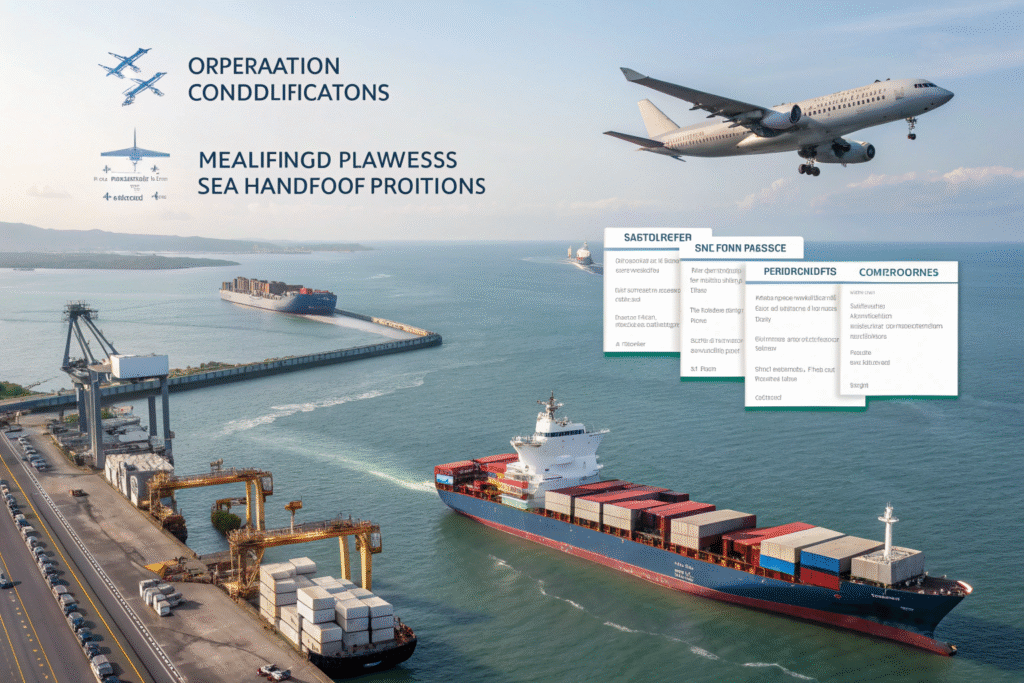
What Operational Coordination Challenges Exist?
Managing two fundamentally different transportation systems requires integrated processes and specialized expertise.
How Do Documentation and Process Differences Create Problems?
Incompatible documentation requirements cause clearance delays. Sea freight requires bills of lading, maritime insurance, and port documentation, while air freight needs air waybills, different insurance certificates, and airway-specific security filings.
Varying carrier management approaches require dual expertise. Sea carriers operate on vessel schedules with booking windows measured in weeks, while air carriers focus on equipment and space allocation with timelines of days or hours.
Different tracking and visibility systems hinder unified monitoring. Sea shipments offer limited real-time visibility with position updates every 12-24 hours, while air freight provides detailed tracking but through different platforms and protocols.
What Supply Chain Visibility Gaps Occur?
Fragmented visibility across modes creates blind spots. Most companies lack integrated systems that provide end-to-end visibility from factory through final delivery when using multiple transportation modes.
Inconsistent status reporting complicates exception management. Sea freight exceptions are measured in days for resolution, while air freight exceptions require response within hours, creating process mismatches.
Communication silos between modal specialists hinder coordination. Sea freight teams and air freight teams often operate independently, missing opportunities for optimization and creating internal coordination challenges.
What Strategic Decision-Making Complexities Emerge?
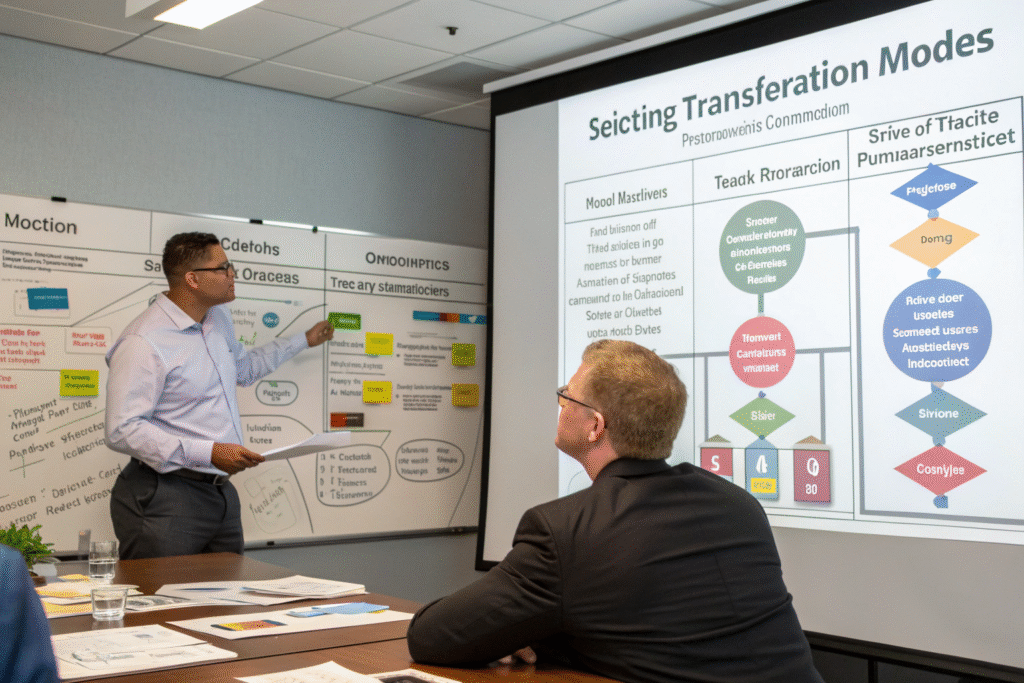
Determining optimal mode selection requires balancing multiple competing objectives and constraints.
How Do You Determine Optimal Mode Selection?
Product characteristics only partially guide mode decisions. While high-value, time-sensitive products clearly justify air freight, many medium-value products require sophisticated cost-service trade-off analysis.
Demand predictability significantly impacts mode optimization. Products with stable demand suit sea freight, while volatile or seasonal products may require air freight flexibility despite higher costs.
Total cost analysis reveals unexpected optimal choices. Companies often discover that certain products justifying air freight based on service requirements actually have lower total costs when considering inventory carrying costs and stock-out expenses.
What Organizational Alignment Challenges Exist?
Internal stakeholder conflicts create suboptimal mode decisions. Sales teams prioritize service levels, finance focuses on costs, and operations emphasizes simplicity, leading to conflicting mode selection criteria.
Performance measurement systems often discourage optimal choices. When transportation costs are measured in isolation rather than total supply chain costs, organizations make decisions that optimize local metrics at the expense of overall performance.
Strategic consistency is difficult to maintain. Without clear guidelines, mode decisions become ad-hoc based on immediate pressures rather than long-term strategic objectives.
How Can Technology Help Overcome These Challenges?
Modern logistics technology provides solutions to many multi-modal coordination challenges through integration, automation, and analytics.

What Systems Enable Multi-Modal Coordination?
Transportation Management Systems (TMS) with multi-modal capabilities provide unified planning and execution. Modern TMS platforms can evaluate sea and air options simultaneously based on cost, service level, and constraints.
Inventory Optimization Systems account for different lead times and variability. Advanced systems can recommend optimal inventory positioning and mode selection based on demand patterns and service requirements.
Supply Chain Visibility Platforms unify tracking across modes. Integrated visibility solutions provide consistent tracking, exception management, and Estimated Time of Arrival (ETA) accuracy regardless of transportation mode.
How Can Analytics Improve Decision-Making?
Total Cost Modeling reveals true cost trade-offs. Analytical tools that incorporate inventory carrying costs, obsolescence risk, stock-out impacts, and storage expenses provide comprehensive mode selection guidance.
Predictive Analytics anticipates mode selection needs. Machine learning algorithms can predict when air freight will be necessary based on demand patterns, supplier performance, and inventory positions.
Performance Analytics identifies improvement opportunities. Tracking on-time performance, cost variances, and service level impacts by mode and lane enables continuous optimization of mode selection criteria.
What Are the Most Common Implementation Mistakes?
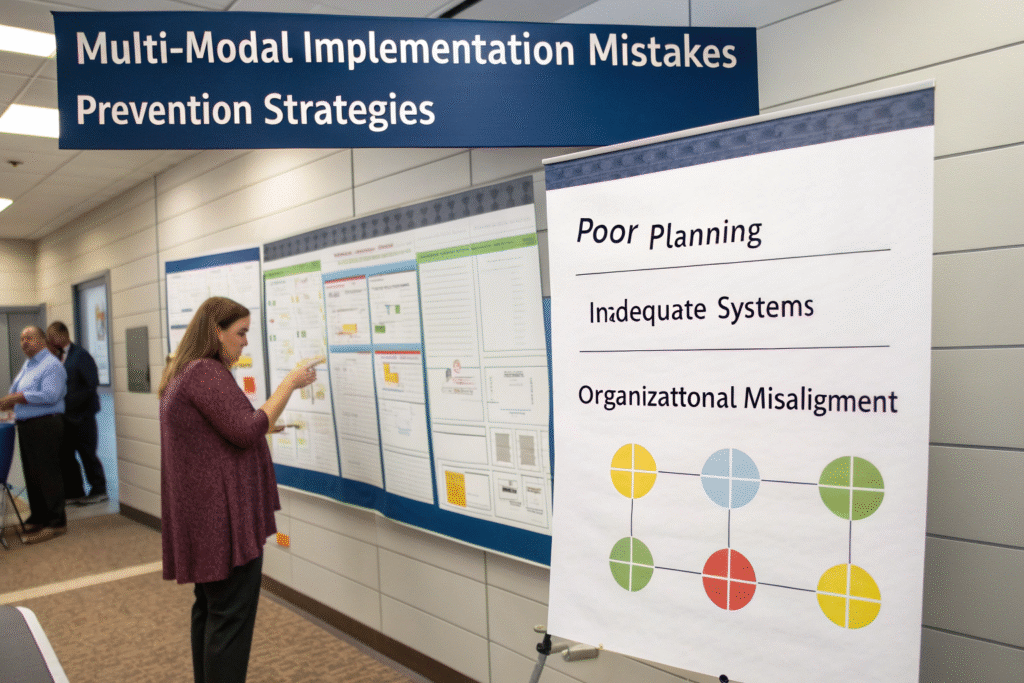
Understanding frequent errors helps companies avoid costly multi-modal implementation problems.
What Strategic Errors Undermine Multi-Modal Success?
Treating mode selection as purely tactical rather than strategic. Companies that lack clear mode selection criteria and strategic frameworks make inconsistent decisions that undermine multi-modal benefits.
Underestimating the operational complexity of coordination. Success requires integrated processes, specialized staff, and sophisticated systems that many companies underestimate during planning.
Failing to align organizational incentives with multi-modal objectives. When departments have conflicting goals and measures, coordinated multi-modal execution becomes impossible.
What Operational Mistakes Create Coordination Failures?
Inadequate communication between modal teams. When sea and air freight teams operate in silos without shared objectives and regular coordination, opportunities for optimization are missed.
Poor data management and integration. Without unified data on costs, performance, and inventory impacts, companies cannot make informed mode selection decisions.
Insufficient carrier management and performance tracking. Failing to measure and manage carrier performance across both modes leads to service inconsistencies and missed optimization opportunities.
Conclusion
Using both sea and air freight effectively requires addressing significant challenges across inventory management, cost control, operational coordination, and strategic decision-making. The most successful companies treat multi-modal logistics as an integrated system rather than separate operations, developing specialized capabilities that transform potential conflicts into competitive advantages.
At GeeseCargo, we’ve helped clients achieve 18-32% logistics cost reductions through strategic multi-modal implementation, with the best results coming from companies that approach mode selection as an ongoing optimization process rather than a series of independent decisions. The key is recognizing that multi-modal excellence requires balancing sometimes competing objectives through sophisticated processes, integrated technology, and organizational alignment.
Begin your multi-modal improvement by conducting a comprehensive analysis of your current mode selection patterns and their impacts on total costs and service levels, then develop clear decision frameworks that align with your business objectives. Remember that in multi-modal logistics, the goal isn’t minimizing transportation costs—it’s optimizing total supply chain performance through strategic mode selection and seamless coordination.