When one of our clients switched from using separate Chinese and US forwarders to our integrated China-US service, they reduced their shipping costs by 22% and cut transit times by 8 days. As founder of GeeseCargo with operations in both China and the US, I’ve experienced firsthand the advantages and limitations of both approaches. The decision fundamentally shapes your supply chain efficiency, cost structure, and problem-resolution capabilities.
The choice between Chinese and US forwarders depends on your operational complexity, volume, and control preferences. Chinese forwarders typically offer better origin rates and factory coordination but may lack US expertise, while US forwarders excel at destination services but often have limited China presence. Companies shipping 10+ containers monthly usually benefit from integrated forwarders with strong capabilities in both countries.
This isn’t a simple binary choice—the most successful importers often use hybrid approaches that leverage each option’s strengths while mitigating their weaknesses. Understanding the core competencies of each model helps you build the optimal logistics structure for your specific business needs.
What Are the Key Advantages of Using a Chinese Forwarder?
Chinese forwarders provide crucial advantages in origin operations, leveraging local relationships, language capabilities, and cost structures that US-based companies struggle to match.

How Do Chinese Forwarders Excel at Origin Operations?
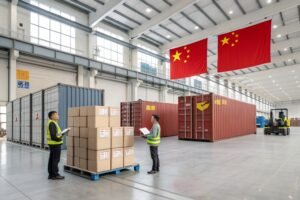
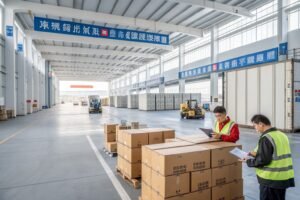
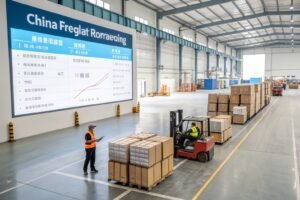
Factory coordination and communication happen seamlessly in local language and business culture. Chinese forwarders navigate factory relationships, production timelines, and loading schedules more effectively than overseas partners, preventing misunderstandings that cause delays.
Consolidation services from multiple suppliers provide significant cost savings. By collecting goods from various factories into consolidated shipments, Chinese forwarders optimize container utilization and reduce per-unit shipping costs 15-30% compared to factory-direct shipping.
Local trucking and port relationships ensure smoother origin logistics. Established relationships with drayage companies, port terminals, and customs brokers prevent bottlenecks during the critical export process.
What Cost Advantages Do Chinese Forwarders Offer?
Lower origin handling charges result from local cost structures and volume discounts. Chinese forwarders typically charge 20-40% less for terminal handling, documentation, and local transportation than US forwarders working through agents.
Better carrier pricing through direct relationships with Chinese shipping lines. Asian-based carriers often provide preferential rates to Chinese forwarders, particularly for export volume from major Chinese ports.
Reduced communication costs and time zone advantages. Working within the same time zone as your factories eliminates delays and simplifies coordination for production and loading schedules.
What Are the Strengths of Using a US-Based Forwarder?
US forwarders provide critical expertise in destination logistics, regulatory compliance, and customer service alignment with importer needs.
How Do US Forwarders Excel at Destination Operations?
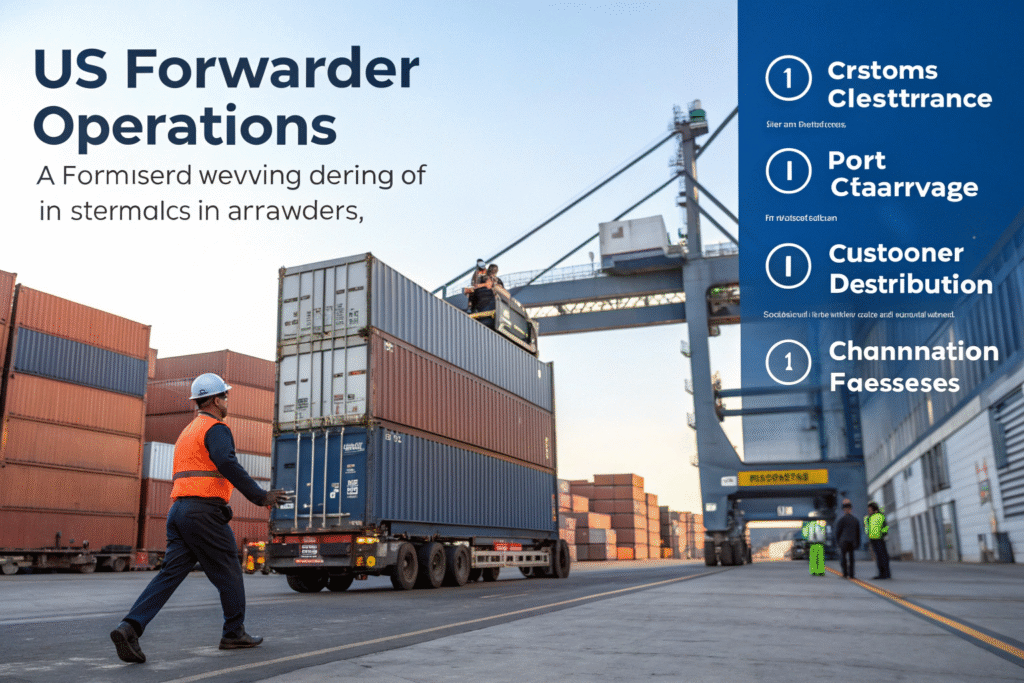
US customs expertise and bond facilitation streamline import clearance. US forwarders deeply understand CBP regulations, tariff classification, and entry processes, reducing clearance delays that plague importers using overseas forwarders.
Domestic distribution network knowledge optimizes final-mile delivery. Understanding US trucking markets, intermodal options, and warehouse networks enables US forwarders to create more efficient supply chains from port to final destination.
English-language communication and US business hours align with importer needs. Working within the same time zone and business culture simplifies issue resolution, planning, and strategic discussions for US-based companies.
What Risk Management Advantages Do US Forwarders Provide?
Better legal recourse and contract enforcement under US jurisdiction. Contracts with US entities provide clearer legal protection and easier dispute resolution than international agreements with Chinese companies.
Financial stability and insurance coverage typically meet US standards. US forwarders generally carry higher insurance limits and demonstrate more transparent financial standing than many Chinese counterparts.
Regulatory compliance oversight protects against customs penalties. US forwarders have stronger incentives to ensure full compliance with CBP, FDA, and other agency requirements that directly impact US importers.
What Operational Factors Should Guide Your Decision?
Your specific operational characteristics, volume patterns, and business model significantly influence which forwarder type delivers better overall value.

How Does Shipping Volume Impact the Decision?
Low-volume shippers (1-5 containers monthly) often benefit from Chinese forwarder pricing. The cost advantages at origin typically outweigh destination limitations when volumes don’t justify dedicated US representation.
Medium-volume shippers (5-15 containers monthly) face the most complex decision. This volume range requires careful analysis of total landed costs, with the optimal choice depending on specific product characteristics and distribution patterns.
High-volume shippers (15+ containers monthly) typically need integrated solutions. At this volume, the coordination benefits of a single provider with strong capabilities in both countries usually outweigh potential cost savings from separating origin and destination services.
How Does Product Type Influence Forwarder Selection?
Time-sensitive products benefit from US forwarder control. When rapid distribution is critical, US-based management of the entire supply chain provides better visibility and responsiveness to delivery requirements.
Complex regulatory products need US compliance expertise. Electronics, FDA-regulated goods, and products requiring special certifications typically benefit from US forwarder knowledge of import regulations.
Standard consumer goods work well with Chinese forwarder efficiency. For straightforward products with minimal regulatory concerns, Chinese forwarders often provide the most cost-effective solution.
What Hybrid Approaches Deliver the Best of Both Worlds?
Sophisticated importers often combine elements of both models to create customized solutions that maximize strengths while minimizing weaknesses.

How Do Integrated China-US Forwarders Work?
Single provider with owned offices in both countries eliminates coordination gaps. Companies like GeeseCargo maintain full-service operations in China for origin excellence and US teams for destination expertise, providing seamless handoffs between countries.
Unified technology platforms provide visibility across the entire supply chain. Integrated systems track shipments from factory loading through US delivery without the data gaps that occur when separate forwarders handle different legs.
Account management with dual-country expertise understands challenges and opportunities at both ends. Bilingual, bicultural teams navigate the complexities of international shipping while maintaining single-point accountability.
What Structured Separation Models Work Effectively?
Chinese forwarder for origin services paired with US customs broker for clearance. This approach leverages Chinese cost advantages while ensuring US regulatory compliance, though it requires importer coordination between the two providers.
US forwarder managing Chinese agent for factory coordination. The US forwarder maintains control and accountability while using a Chinese partner for local execution, balancing oversight with local expertise.
Dedicated teams within your organization managing separate forwarders. Companies with strong internal logistics capabilities can coordinate Chinese and US forwarders directly, though this requires significant internal resources and expertise.
What Hidden Costs and Risks Should You Consider?
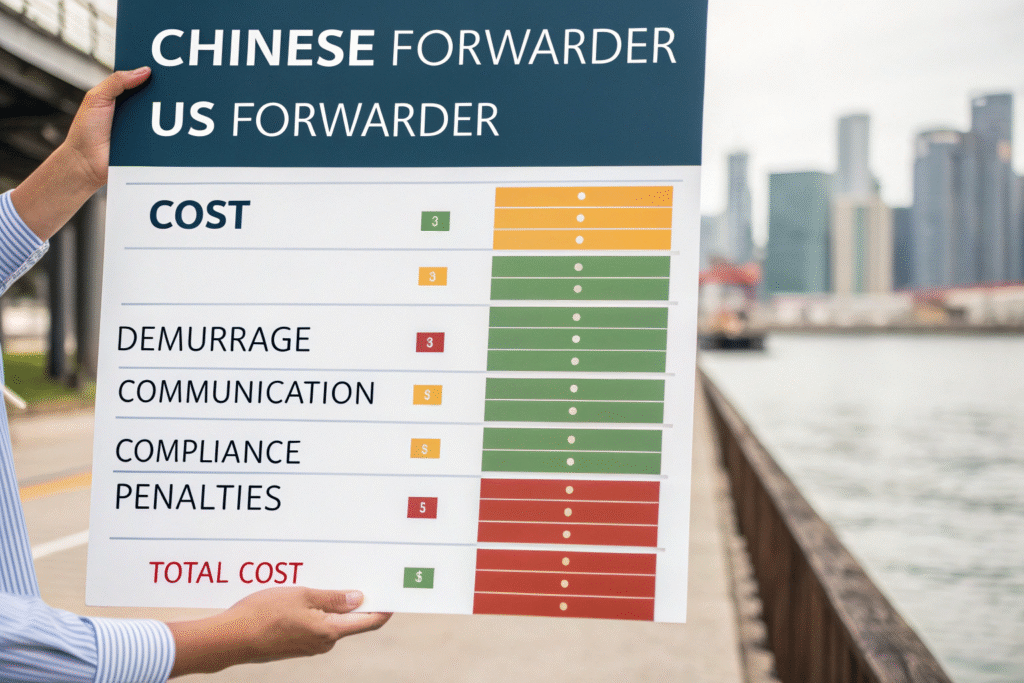
The apparent cost advantages of either approach can be misleading when hidden expenses and risks are properly accounted for in total cost calculations.
What Cost Elements Are Often Overlooked?
Communication and coordination expenses accumulate with international partnerships. Time zone challenges, language barriers, and cultural misunderstandings create hidden costs that reduce apparent savings.
Demurrage and detention charges vary significantly by forwarder capability. US forwarders typically have better systems to prevent and manage these charges, while Chinese forwarders may lack destination expertise to avoid them.
Compliance penalties and delays impact total costs significantly. Errors in customs documentation, classification, or valuation can create penalties that erase years of shipping savings.
How Do Service Failures Impact Business Operations?
Stockout costs from shipping delays often exceed transportation savings. When forwarder selection leads to supply chain disruptions, the business impact typically dwarfs any freight cost differences.
Customer relationship damage from inconsistent delivery affects long-term value. Reliability issues caused by forwarder limitations can damage hard-earned customer trust and future business opportunities.
Management time diversion to resolve logistics problems has real costs. Internal resources spent managing forwarder relationships or resolving issues represent significant expenses beyond direct shipping costs.
Conclusion
The choice between Chinese and US forwarders requires careful analysis of your specific business needs, volume patterns, and risk tolerance. While Chinese forwarders often offer attractive origin pricing and US forwarders provide valuable destination expertise, the most successful importers typically gravitate toward integrated solutions that eliminate the handoff gaps between origin and destination operations.
At GeeseCargo, we’ve helped hundreds of clients navigate this decision, with the most successful outcomes coming from approaches that prioritize total supply chain efficiency over individual leg optimization. Companies that treat their China-US logistics as an integrated system rather than separate origin and destination activities typically achieve both cost savings and service improvements.
Begin your evaluation by calculating total landed costs for each approach, including all hidden expenses and risk factors. Then consider conducting a trial period with your preferred option before making long-term commitments. Remember that the optimal forwarder relationship evolves as your business grows—what works at startup phase may not support scaling operations effectively.