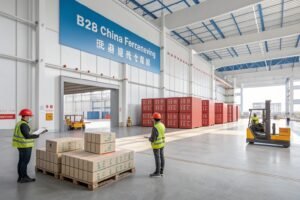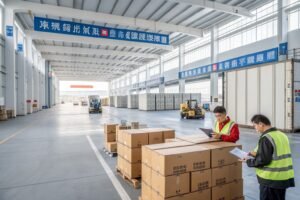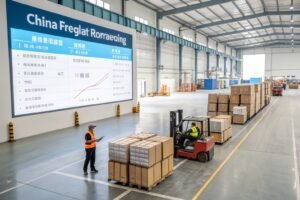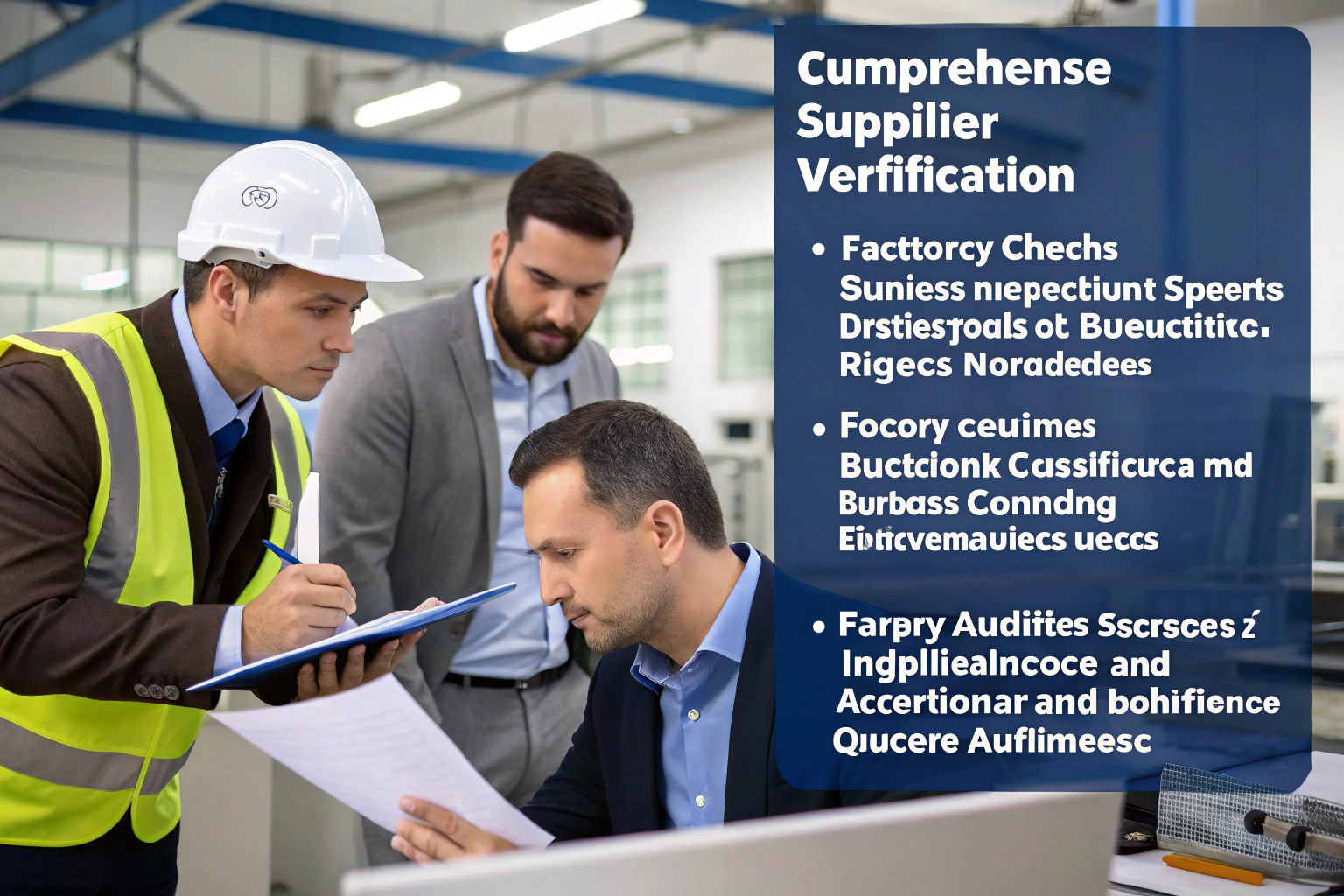
Verifying Chinese supplier legitimacy has become increasingly critical as supply chain complexity grows and compliance requirements multiply. Many businesses have faced devastating consequences—from receiving substandard products to complete financial losses—due to insufficient supplier due diligence. The verification process requires systematic investigation across multiple dimensions beyond simple business registration checks.
You can verify Chinese supplier legitimacy through business license validation, factory audits, export record checks, third-party verification services, and in-person assessments. A comprehensive verification process typically takes 2-4 weeks and should cover legal registration, manufacturing capability, financial stability, and compliance history to ensure you’re working with a legitimate partner.
Let’s examine the specific verification methods, red flags to watch for, and systematic approaches to ensure your Chinese supplier is legitimate, capable, and reliable for your business needs.
What official registration documents should you verify?
Chinese business registration involves specific documents that provide crucial information about a supplier’s legal status and operational scope. Understanding these documents and how to verify them forms the foundation of supplier legitimacy assessment.
The Business License (营业执照) is the primary document, containing the company’s legal name, registration number, legal representative, registered capital, business scope, and address. The Organization Code Certificate (组织机构代码证) provides the company’s unique identifier for official transactions. The Tax Registration Certificate (税务登记证) confirms tax compliance status. For foreign trade, the Import-Export License (进出口许可证) demonstrates authorization for international business. Verification involves checking these documents against government databases and looking for inconsistencies that might indicate fraudulent operations.
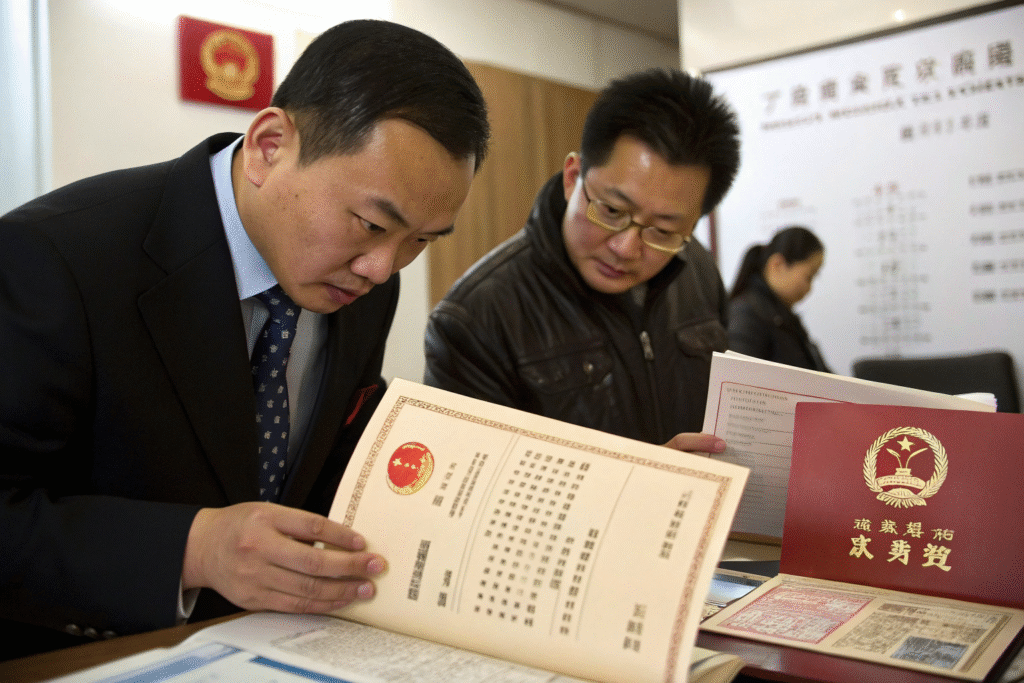
How can you verify Chinese business licenses officially?
Official verification methods include:
- National Enterprise Credit Information Publicity System (国家企业信用信息公示系统) – The official government database for business registration verification
- Local Administration for Market Regulation offices where the company is registered
- Third-party verification services with access to official Chinese business databases
- Chinese embassy or consulate business departments for international verification support
- Industry associations that maintain verified member directories
These official channels provide reliable verification beyond supplier-provided documents.
What specific red flags appear in registration documents?
Common registration warning signs:
- Business scope mismatches where the claimed manufacturing capability doesn’t match registered activities
- Recent registration dates for companies claiming extensive experience
- Address inconsistencies between documents and actual operations
- Unusually low registered capital for the scale of operations described
- Multiple business changes in short periods suggesting instability
Identifying these red flags early prevents problematic supplier relationships.
How can factory audits verify manufacturing capability?
Physical factory audits provide the most reliable verification of a supplier’s actual manufacturing capability, workforce, and operational standards. While more resource-intensive than document reviews, audits deliver irreplaceable firsthand assessment.
Professional audits evaluate production facilities, equipment condition, workforce size and skill level, quality control processes, and management systems. They verify that the supplier actually manufactures the products they claim rather than acting as a trading company. Audits assess production capacity against your requirements, working conditions compliance, and overall operational professionalism. The most valuable audits are conducted by independent third parties with specific industry expertise who can identify potential issues that might escape general inspection.

What should a comprehensive factory audit cover?
Essential audit components include:
- Production equipment verification ensuring capability matches claims
- Workforce assessment evaluating skill levels and staffing stability
- Quality control systems reviewing inspection processes and documentation
- Material flow analysis tracing raw materials to finished products
- Management interviews assessing operational knowledge and communication
- Facility inspection evaluating working conditions and organizational standards
Comprehensive audits provide multidimensional verification of supplier capabilities.
How can you conduct effective remote audits?
Remote audit strategies when travel isn’t possible:
- Live video tours with specific area requests and real-time navigation
- Documented process videos showing manufacturing from raw material to finished product
- Video interviews with different department managers and production staff
- Digital document review of production records, quality reports, and certifications
- Supplier self-assessment with detailed questionnaires and supporting evidence
While less comprehensive than onsite audits, remote approaches provide valuable verification when properly structured.
What financial stability indicators should you assess?
Financial verification helps ensure your supplier has the stability to fulfill orders consistently and weather industry fluctuations. Financial problems often manifest as quality issues, delivery delays, or sudden business closures that disrupt your supply chain.
Key financial documents include audited financial statements, bank references, tax payment records, and credit reports from Chinese credit agencies. Financial ratios like debt-to-equity, current ratio, and profitability trends provide insight into financial health. Payment term requests that seem unusually aggressive might indicate cash flow problems. Additionally, verifying that the company owns rather than leases their manufacturing facilities can indicate stability, though this isn’t always definitive in Chinese industrial zones where leasing is common.

What financial documents provide the most reliable information?
Key financial verification documents:
- Audited financial statements from recognized accounting firms
- Tax clearance certificates showing compliance with Chinese tax authorities
- Bank credit references confirming banking relationships and credit history
- Social fund payment records demonstrating employee compliance
- Credit agency reports from Chinese commercial credit services
These documents collectively provide a comprehensive financial picture when properly verified.
How can you identify potential financial distress signals?
Financial warning signs include:
- Frequent payment term requests becoming increasingly aggressive
- High staff turnover suggesting payroll or morale problems
- Equipment maintenance issues indicating cash flow constraints
- Raw material quality variations suggesting cost-cutting measures
- Communication about financial difficulties even if minor
Early identification of financial stress allows proactive supply chain adjustments.
How can export history and references verify legitimacy?
A supplier’s export experience and customer references provide practical verification of their international business capability and reliability. Historical performance often predicts future behavior more accurately than current claims.
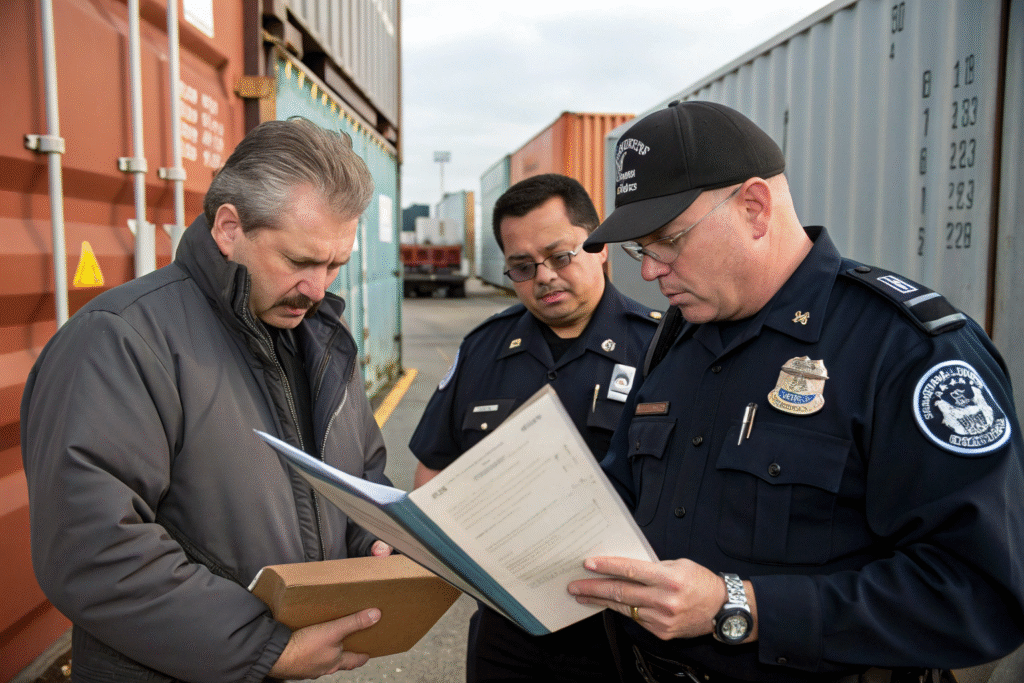
Export records from Chinese Customs databases show shipment history, destinations, and product categories. References from existing international clients—particularly in your target market—provide insights about reliability, communication, and problem-resolution approaches. Industry reputation within your sector offers contextual verification of their standing. The absence of verifiable export history for a company claiming extensive international experience represents a significant red flag requiring explanation.
What export verification methods are most effective?
Reliable export verification approaches:
- Customs declaration records showing actual export history and volumes
- Shipping line references confirming consistent export activity
- International client references with verifiable contact information
- Trade show participation records demonstrating industry engagement
- Certificate of origin patterns indicating regular export procedures
These methods provide objective verification of export experience claims.
How should you conduct reference checks effectively?
Productive reference checking:
- Request specific references from similar markets and product categories
- Prepare structured questions about reliability, quality, and communication
- Verify reference authenticity through company websites or independent contact
- Ask about problem resolution not just positive experiences
- Request permission to document reference conversations for internal review
Properly conducted reference checks provide invaluable operational insights.
What compliance and certification verifications matter?
Compliance documentation verifies that suppliers meet relevant regulatory standards and industry certifications. These verifications are particularly important for regulated products, socially responsible sourcing, and quality-critical applications.
ISO certifications (9001 for quality management, 14001 for environmental management) indicate structured operational systems. Product-specific certifications (CE, FCC, FDA) demonstrate compliance with destination market requirements. Social compliance audits (SMETA, BSCI) verify ethical manufacturing practices. Environmental compliance records show adherence to Chinese environmental regulations. Verification involves confirming certification authenticity with issuing bodies and assessing implementation rather than just certificate possession.

Which certifications provide the most meaningful verification?
High-value certifications for verification:
- ISO 9001 for quality management systems implementation
- Product safety certifications specific to your market requirements
- Social compliance audits verifying ethical manufacturing practices
- Environmental management certifications for sustainability requirements
- Industry-specific certifications demonstrating technical capability
These certifications indicate serious operational standards when properly verified.
How can you verify certification authenticity?
Certification verification methods:
- Direct confirmation with certification bodies using certificate numbers
- Online verification databases maintained by accreditation organizations
- Audit report review beyond just certificate possession
- Implementation assessment during factory audits
- Surveillance audit records confirming ongoing compliance
Proper certification verification ensures documents represent actual practices.
Conclusion
Verifying Chinese supplier legitimacy requires a systematic, multi-dimensional approach covering business registration, manufacturing capability, financial stability, export history, and compliance documentation. The most effective verification processes combine document authentication, physical assessment, financial review, and reference checking to build a comprehensive legitimacy profile. While thorough verification requires significant effort, it prevents the substantial costs and disruptions that result from problematic supplier relationships. The most successful importers treat supplier verification as an ongoing process rather than a one-time event, continuously monitoring supplier performance and stability throughout their business relationship. By implementing rigorous verification practices, businesses can build reliable, legitimate supplier partnerships that support sustainable supply chain operations.