When expanding internationally, businesses face concrete logistical hurdles that impact profitability and reputation. Delays from customs fines or tariff blocks can cost tens of thousands in missed revenue. A dependable freight forwarder bridges these gaps by saving time, controlling costs, and reducing risk.
Freight forwarding is essential because it delivers a 7% increase in airfreight tonnage and container volume, a 10.5% rise in customs brokerage revenue—and beats revenue forecasts with $2.65 billion in Q2 2025 from leading firms like Expeditors, signaling its critical role in efficient cross-border operations. (reuters.com)
These real figures show logistics is not a background function—it drives expansion. Once I experienced a U.S. buyer backing out due to a delayed shipment. Since partnering with professional freight forwarders, that scenario hasn’t happened again.
How Quantifiable Savings Are Delivered Through Freight Forwarding?
Freight forwarding can cut shipping costs by 15%–20%. According to a 2025 industry report, freight consolidation platforms improved efficiency by over 15%. (wifitalents.com)
These savings stem from negotiation leverage and route efficiency.
Why Does Carrier Negotiation Matter?
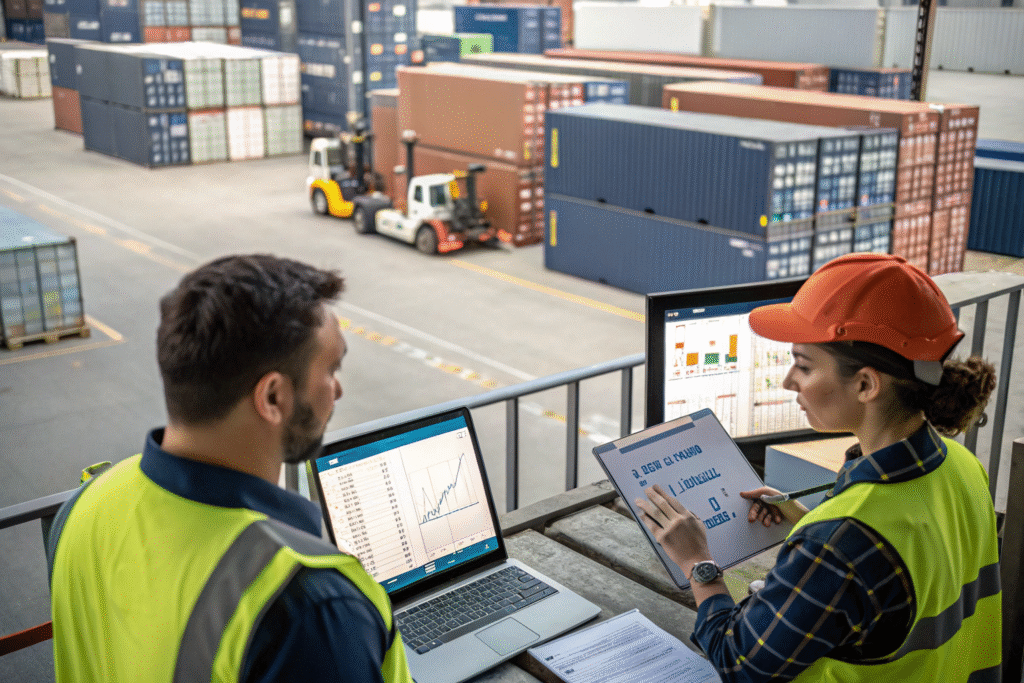
Freight forwarders bulk-buy, securing lower rates than individual shippers. As cited in the Grand View Research 2024–2030 forecast, Asia-Pacific held 31.8% of freight forwarding revenue in 2024—highlighting where volume gives forwarders price power. (grandviewresearch.com)
How Efficient Is Route Optimization?
Optimized multi-modal routing cuts costs and transit delays. In Q2 2025, freight rates may still rise, but shared truckload strategies help manage pricing volatility. (flockfreight.com)
How Accurate Customs Handling Drives Reliability and Compliance?
In Q2 2025, U.S. customs brokerage revenue rose 10.5%—from Expeditors alone—demonstrating how critical customs management is to seamless operations. (reuters.com)
What Happens When Documentation Fails?
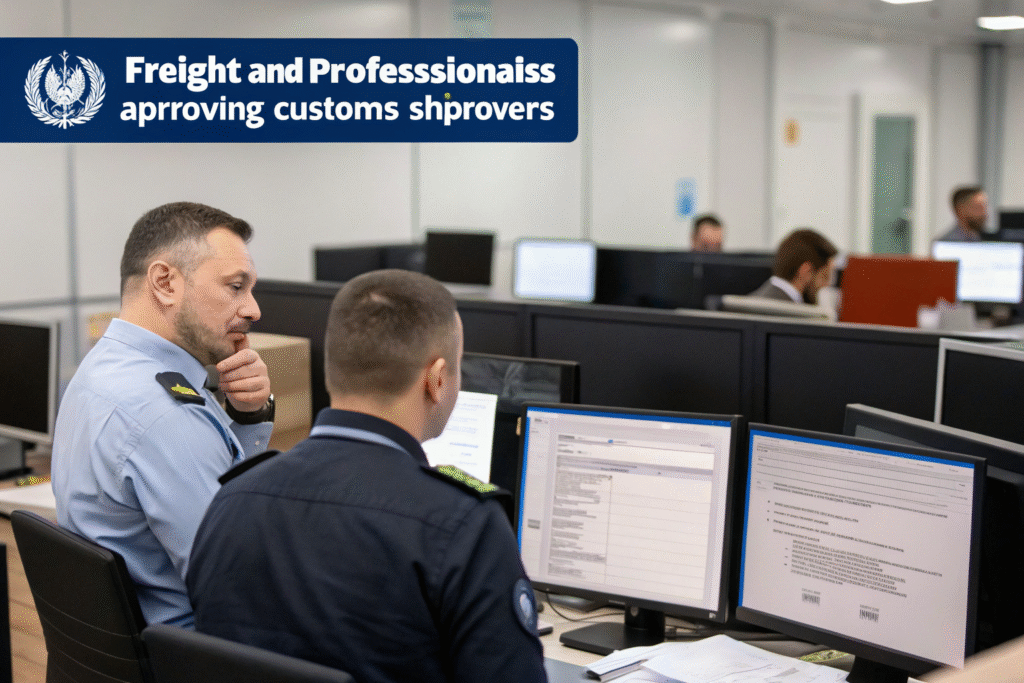
Incorrect documents lead to shipping holds, penalties, lost revenue. Forwarders ensure documentation like the bill of lading and classification codes meet U.S. Customs standards.
Why Is Regulatory Agility Needed?
Tariffs and trade policies shift quickly. For instance, in May 2025, a 90-day U.S.–China tariff truce caused a 50% week-over-week spike in U.S.–China bookings, straining ports. Forwarders help clients lock in capacity early. (reuters.com)
How Does Freight Forwarding Enable Supply Chain Resilience?
Resilient supply chains are non-negotiable. In Q2 2025, Expeditors posted 7% year-over-year growth in both airfreight tonnage and ocean container volume. (reuters.com)

Why Is Real-Time Visibility Vital?
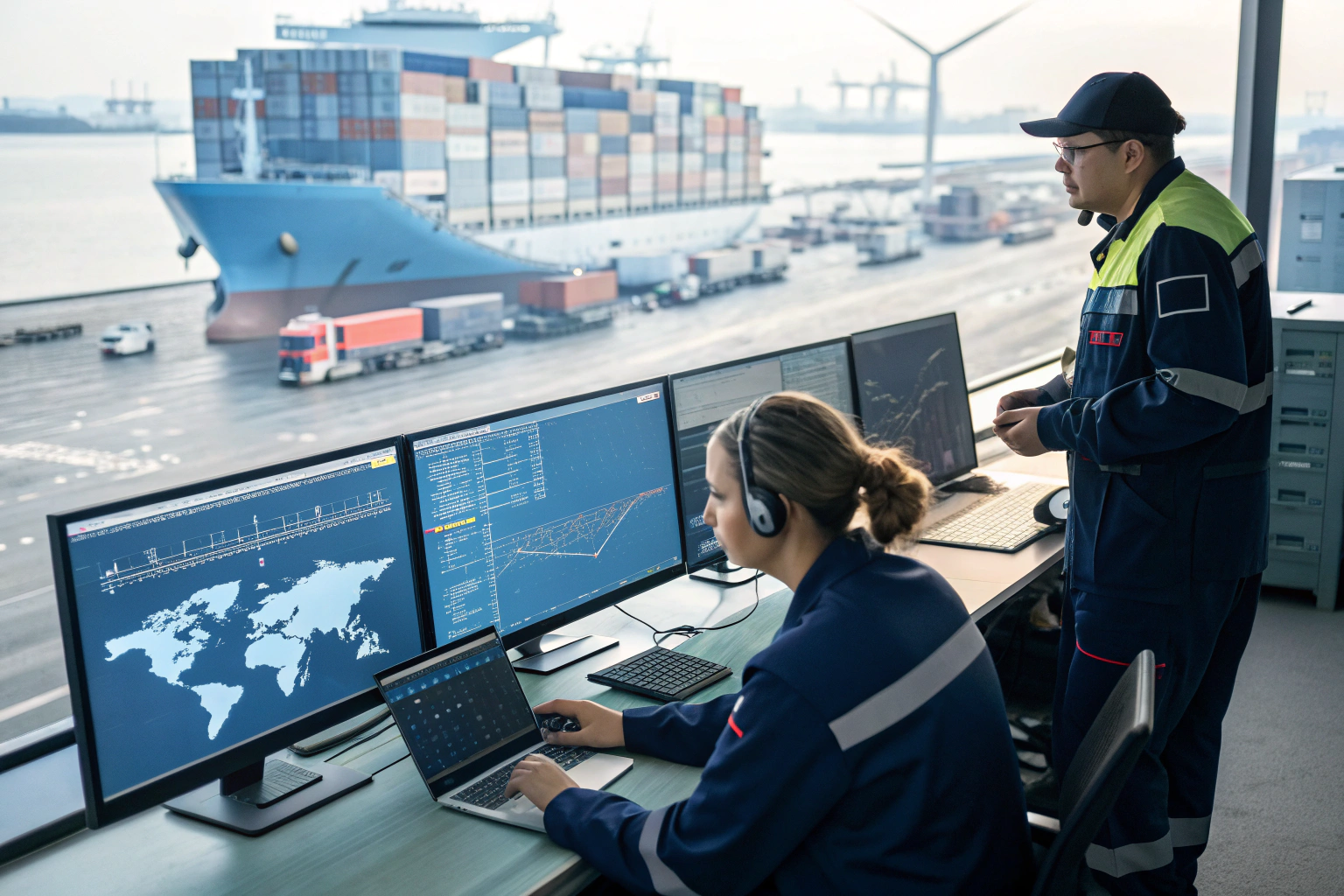
Visibility builds trust and supports operational control. Forwarders use digital platforms—AI, IoT, blockchain—to monitor shipments and alert for delays in real-time. (thelogisticnews.com, overseaslogistic.com)
How Are Disruptions Handled?
Incidents like Red Sea route diversion have triggered port rerouting. Maersk lifted its 2025 profit outlook as container demand grew 2–4%—evidence of adaptability through alternative routing strategies. (reuters.com)
Why Does Freight Forwarding Offer a Strategic Competitive Advantage?
Freight forwarding is not just logistics—it’s a strategic asset.
Can Logistical Partnerships Enhance Performance?
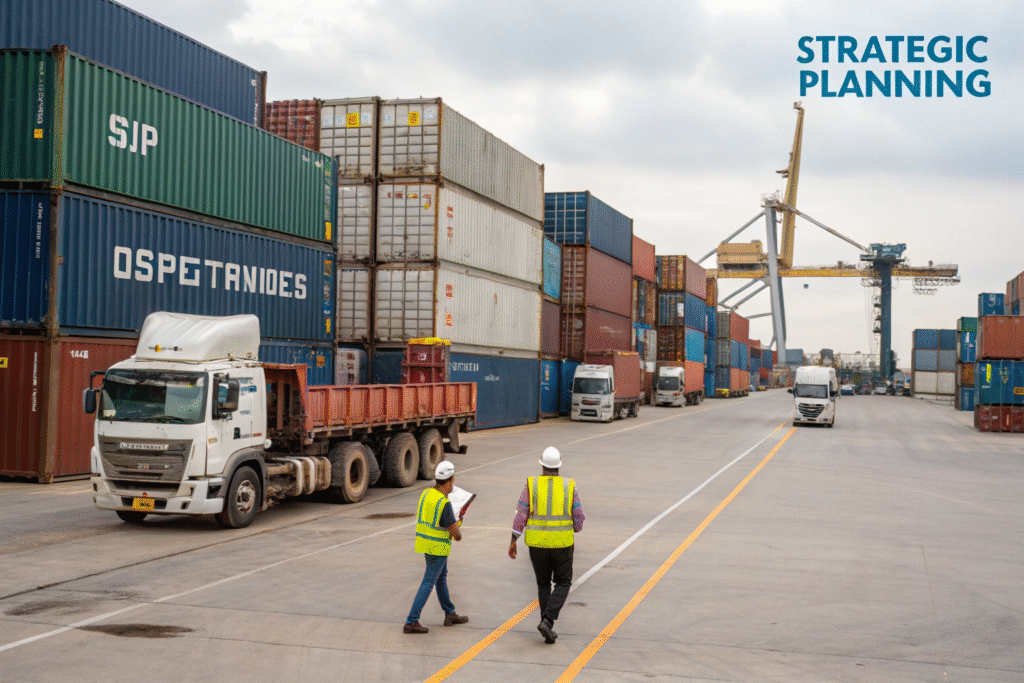
Absolutely. Expeditors claimed $2.65 billion revenue in Q2 2025, beating expectations thanks to pre-tariff import surges. (dat.com, reuters.com) These partnerships help businesses stay ahead of cost hikes and schedule shifts.
Does Freight Forwarding Support Regional Growth?
Yes. Kuehne + Nagel opened a road logistics facility in Laredo, Texas, in mid-April 2025 to strengthen near-shoring for U.S. delivery—cutting delivery time and tariff risks. (reuters.com)
Conclusion
Freight forwarding is essential for unlocking new markets with confidence and precision. Data from Q2 2025 shows air and ocean volumes rising 7%, customs brokerage revenue up 10.5%, and resilient delivery performance—even amid tariff shifts. These numbers prove logistics isn’t just a cost—it’s a competitive advantage. I speak from experience: partnering with freight forwarding professionals has made my business more predictable, profitable, and poised for expansion.