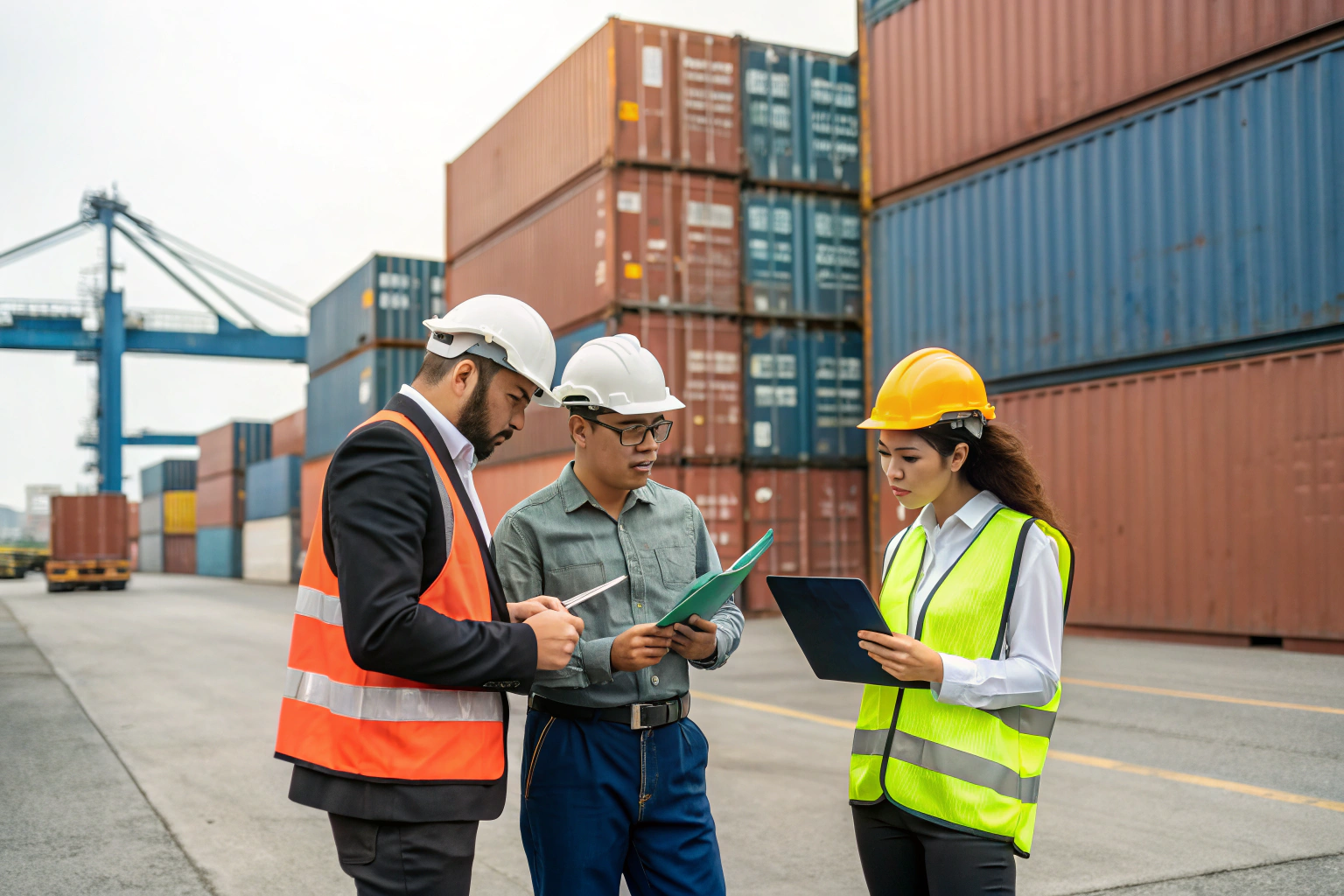
Tariff changes remain one of the biggest challenges in international trade. Shifting regulations, unexpected duties, and errors in classification often create uncertainty for importers like Ron, who ship regularly from China to the U.S. These issues can increase costs and disrupt supply chains.
Freight forwarders minimize tariff uncertainties by ensuring accurate classification, supporting duty optimization, staying informed on policy changes, and guiding businesses through compliance.
At GeeseCargo, we help clients prepare for tariff shifts, reduce risks, and maintain stable trade operations.
How Do Freight Forwarders Ensure Accurate Classification?
Correct classification is the foundation of tariff management.
Forwarders reduce risks by applying accurate HS codes and matching product details with customs requirements.

Why is correct classification essential?
Wrong HS codes often result in higher duties or fines. The World Customs Organization provides the global HS system used for customs worldwide.
How do forwarders verify classification?
They cross-check product descriptions with official databases. U.S. Customs and Border Protection highlights accurate classification as critical for fair duty assessment.
How Do Forwarders Support Duty Optimization?
Once classification is correct, the next step is to reduce costs.
Forwarders identify trade agreements, exemptions, and duty deferral opportunities that lower total expenses.
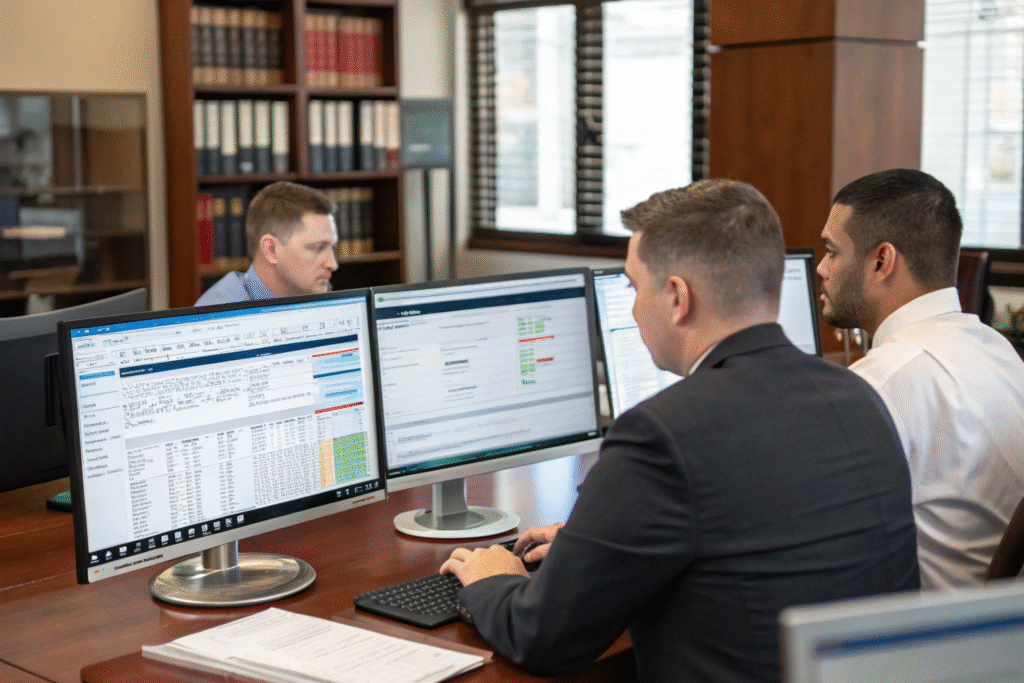
What trade programs reduce tariffs?
Programs like the Generalized System of Preferences (GSP) and other exemptions lower duty rates. Trade.gov outlines how businesses can benefit from these programs.
How do forwarders help apply them?
They prepare documentation to qualify shipments for available relief. The International Trade Administration confirms compliance is necessary to access benefits.
How Do Forwarders Stay Ahead of Policy Changes?
Tariff rules can change quickly, leaving businesses unprepared.
Forwarders monitor trade policy updates and inform clients early, helping them adapt supply chains before changes take effect.
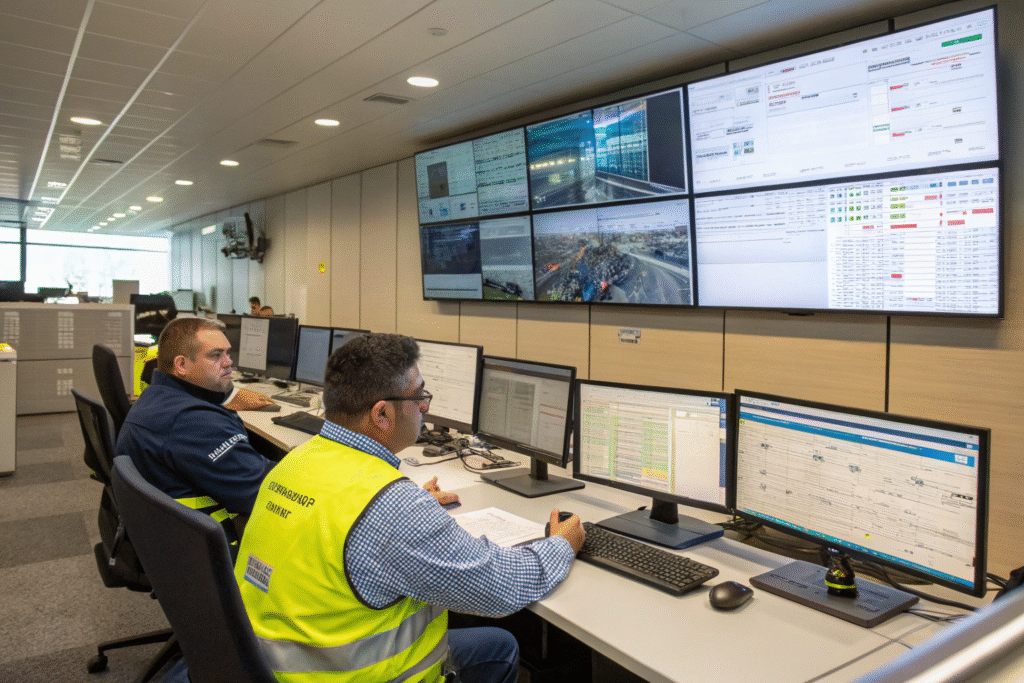
How do forwarders track updates?
They follow customs agencies and trade bodies. The Office of the U.S. Trade Representative regularly announces tariff adjustments.
How does early awareness help?
It allows businesses to adjust sourcing or shipping schedules. The Journal of Commerce shows how proactive planning reduces risks from new tariffs.
How Do Forwarders Ensure Compliance and Reduce Risks?
Even with planning, non-compliance can create heavy penalties.
Forwarders prepare accurate filings, maintain records, and represent importers during audits to reduce risks.
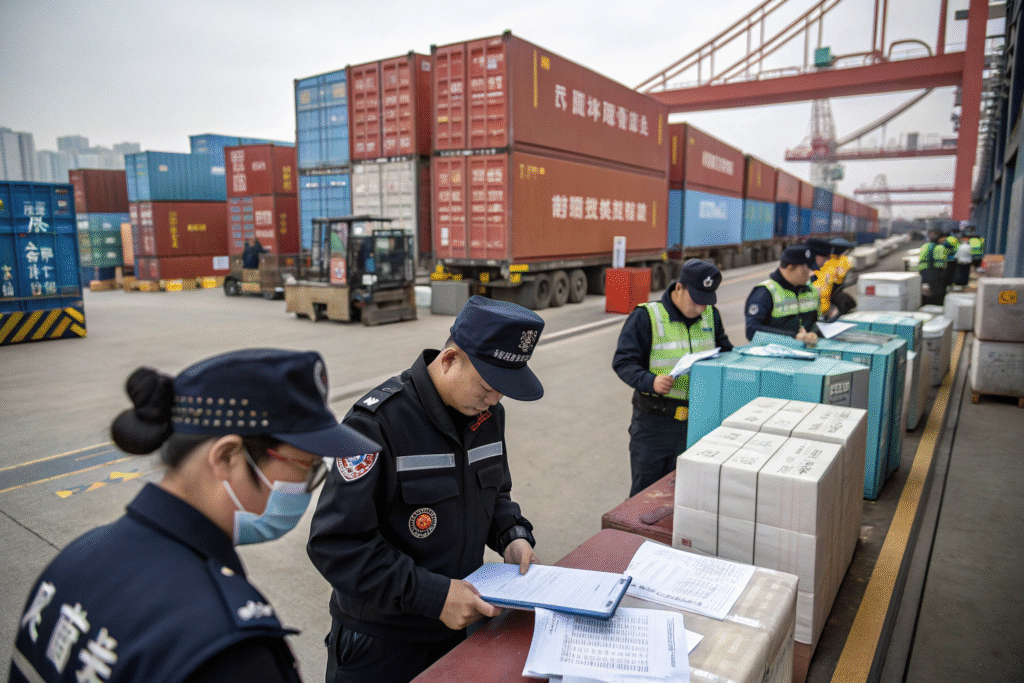
Why is compliance so important?
Incorrect filings or values can trigger audits and financial penalties. Investopedia explains how compliance failures increase trade costs.
Do forwarders assist during audits?
Yes. They supply documentation, handle communications, and defend importers if disputes arise. FIATA notes that experienced forwarders lower audit risks significantly.
Conclusion
Freight forwarders help importers manage tariff uncertainties through accurate classification, duty optimization, proactive monitoring, and strong compliance support. For businesses shipping from China to the U.S., GeeseCargo provides the expertise needed to reduce risks, control costs, and keep supply chains resilient in a shifting trade environment.