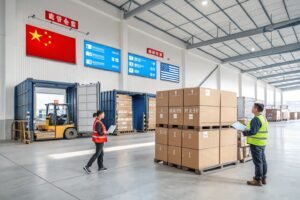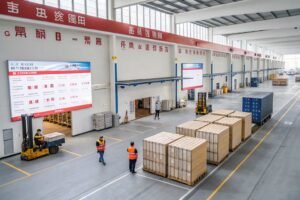
In international trade, hidden fees and unclear pricing often frustrate importers. Businesses like Ron’s, sourcing goods from China to the U.S., need full visibility into costs to protect margins and plan effectively.
Freight forwarders provide cost transparency by giving detailed quotes, preventing hidden charges, improving budget predictability, and using technology to keep costs clear throughout the process.
At GeeseCargo, we believe clarity in pricing builds trust and helps clients grow with confidence.
How Do Freight Forwarders Break Down Costs?
Shipping costs include many different charges.
Forwarders simplify this by providing itemized quotes that explain each part of the cost.
What costs are usually included?
Quotes often cover freight charges, port handling, customs duties, and delivery fees. Freightos explains how detailed breakdowns improve transparency.
Why is itemization important?
It allows businesses to compare providers and avoid unclear pricing. Investopedia notes that detailed analysis is essential for accurate budgeting.
How Do Forwarders Prevent Hidden Fees?
Unexpected charges can quickly increase shipping costs.
Forwarders reduce this risk by clarifying terms upfront and managing shipments to avoid demurrage, detention, or storage fees.
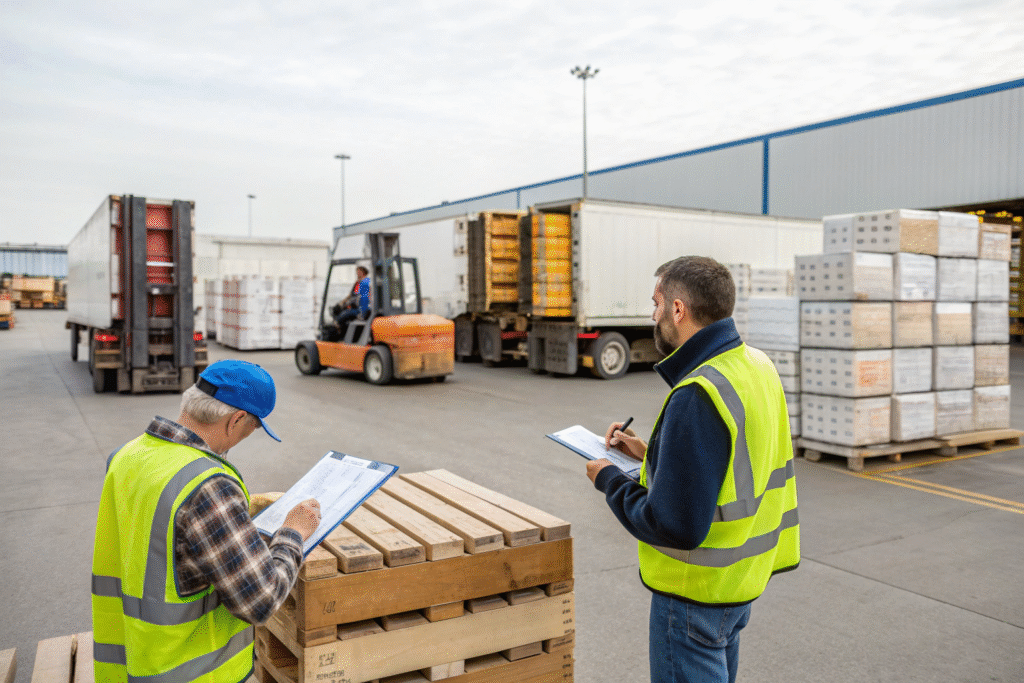
What are common hidden charges?
Delays often lead to demurrage or detention. The Journal of Commerce highlights how poor planning results in these costs.
How do forwarders minimize them?
They schedule pickups carefully, file customs early, and keep clients informed. Trade.gov outlines strategies to reduce unnecessary fees.
How Do Forwarders Improve Budget Predictability?
Predictable costs are essential for frequent shippers.
Forwarders provide accurate, all-inclusive quotes so businesses can plan ahead with confidence.

How does transparency support planning?
It helps importers calculate their total landed costs before shipping. International Trade Administration stresses the importance of reliable pricing for global trade.
Do forwarders offer fixed-rate contracts?
Yes. Many forwarders lock in rates through contracts, giving clients stable pricing. IATA confirms this as a standard industry practice.
How Does Technology Support Transparency?
Digital platforms now make pricing clearer and easier to track.
Forwarders use technology to provide cost visibility, generate reports, and update clients throughout the shipping process.
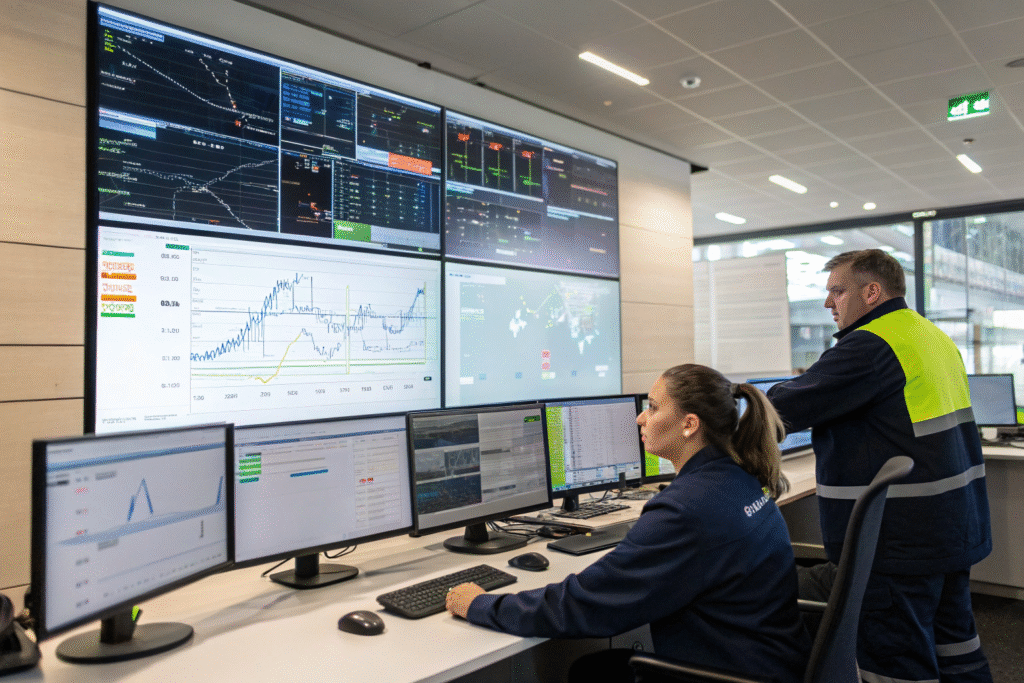
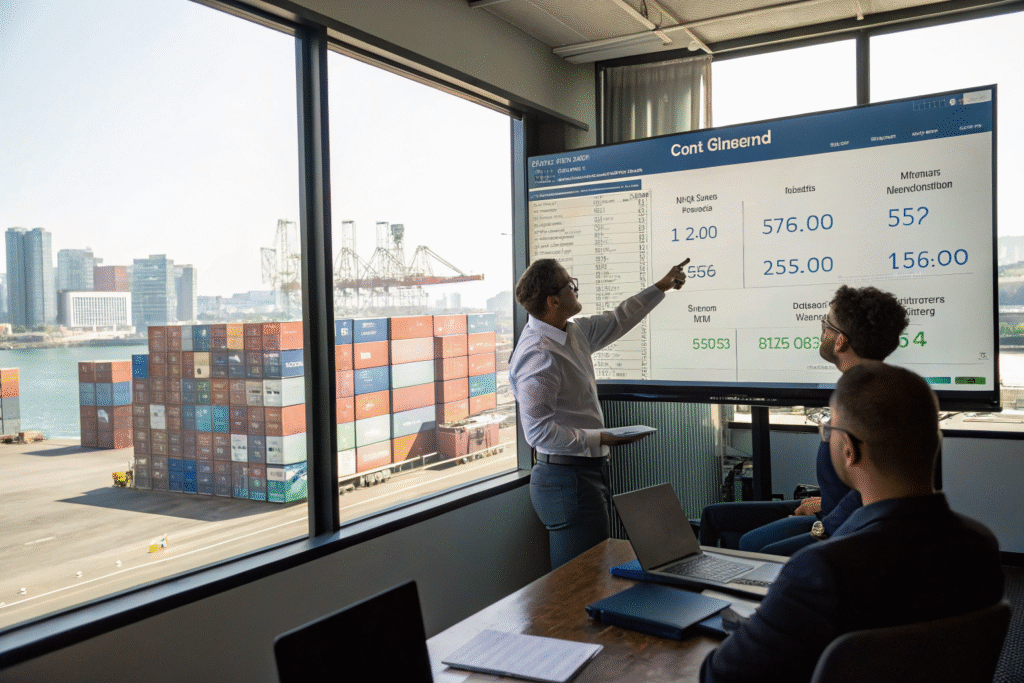
How do dashboards help clients?
They display shipment status alongside cost updates in real time. CargoWise offers integrated systems that improve visibility.
Can technology reduce billing disputes?
Yes. With data stored digitally, invoices are easier to verify. FourKites shows how digital records build trust in logistics billing.
Conclusion
Freight forwarders can provide true cost transparency by breaking down quotes, preventing hidden fees, offering predictable pricing, and using technology to keep clients informed. For importers shipping from China to the U.S., GeeseCargo ensures every charge is explained and every cost is clear, helping businesses manage budgets and scale with confidence.