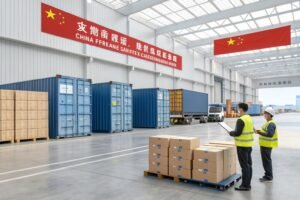
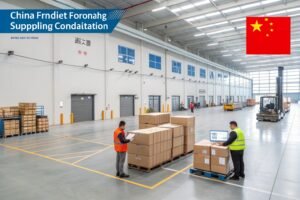
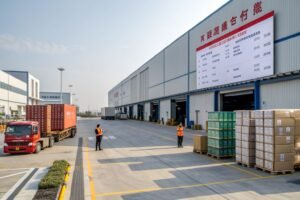
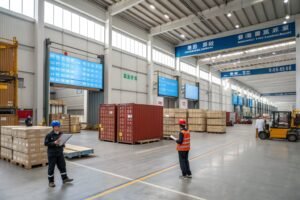
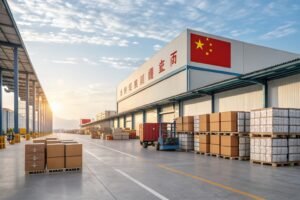
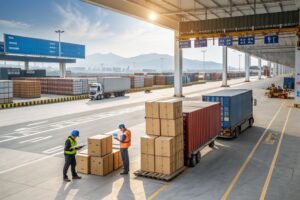
Cargo security at ports is a growing concern for importers. Theft, tampering, and mishandling can cause financial losses and harm business credibility. Importers like Ron, sourcing large shipments from China to the U.S., need confidence their goods are safe once they reach port facilities.
Freight forwarders enhance cargo security by supervising handling, applying seals, using tracking technology, relying on trusted carriers, and coordinating with port authorities.
At GeeseCargo, we prioritize protection from factory pickup to final delivery, ensuring shipments remain secure throughout the journey.
How Do Freight Forwarders Monitor Cargo at Ports?
Ports handle thousands of containers daily, making them vulnerable to theft and mismanagement.
Freight forwarders strengthen port security by supervising container handling and collaborating with security teams.

What measures are used?
Containers are inspected, weighed, and sealed before departure. The International Maritime Organization enforces standards like the SOLAS Verified Gross Mass rule to improve safety.
Do forwarders use surveillance systems?
Yes. Many ports operate CCTV, electronic gate passes, and digital records. Port Technology International shows how digital monitoring supports cargo security.
How Do Seals and Tracking Improve Security?
Beyond supervision, physical and digital safeguards protect shipments.
Forwarders use tamper-evident seals and GPS tracking to detect unauthorized access and provide visibility.

Why are seals important?
High-security ISO-approved seals clearly show if a container has been opened. The ISO 17712 Standard sets global requirements for these seals.
How does tracking add protection?
GPS and smart sensors allow real-time monitoring of location and conditions. MarineTraffic offers vessel tracking, giving importers greater transparency.
Why Are Trusted Partners and Carriers Critical?
Security depends not only on technology but also on reliable partnerships.
Forwarders work with vetted carriers and logistics partners to reduce risks of theft or mishandling.
How do forwarders choose carriers?
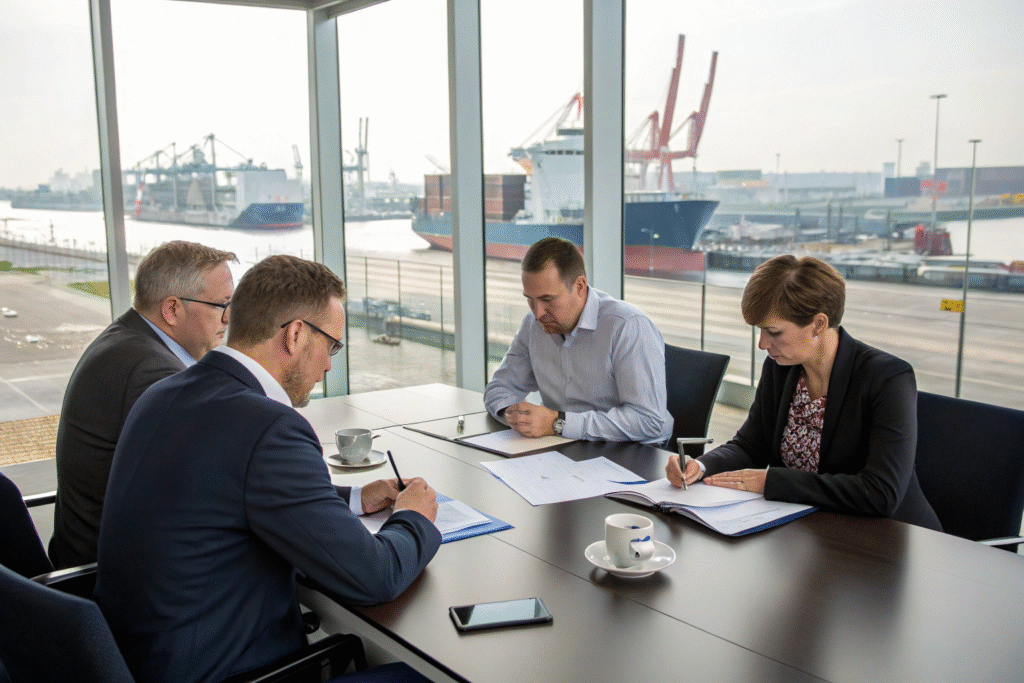
They evaluate compliance with international programs like C-TPAT. The U.S. Customs Trade Partnership Against Terrorism sets strict guidelines for trusted supply chains.
Do partnerships reduce risks?
Yes. Long-term cooperation with carriers and ports ensures consistent security and faster problem resolution. FIATA emphasizes trust as key to safer logistics.
How Do Forwarders Coordinate with Port Authorities?
Collaboration with authorities is the final step in securing cargo at ports.
Forwarders prepare documents, assist during inspections, and work with customs officers to protect shipments and speed up clearance.
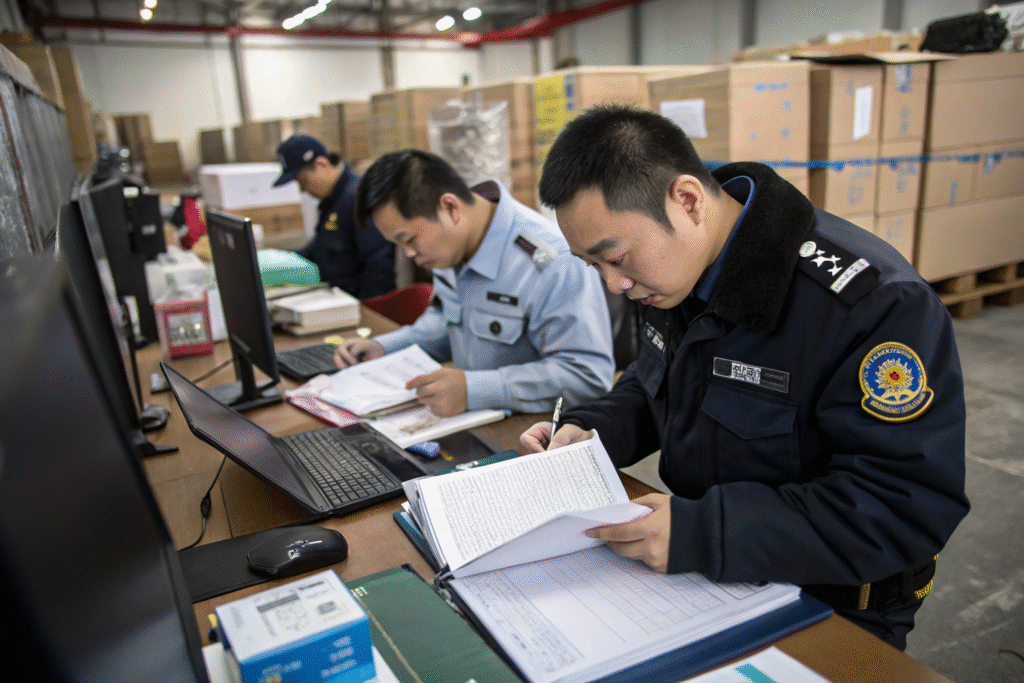
What role do customs checks play?
Inspections confirm documentation, seals, and cargo integrity. U.S. Customs and Border Protection outlines these procedures to prevent smuggling and tampering.
How do forwarders assist during checks?
They ensure documents are accurate, pre-file entries electronically, and represent shippers during inspections. Trade.gov highlights compliant clearance practices that save time and reduce risks.
Conclusion
Freight forwarders play a crucial role in port security. By supervising cargo, using seals and tracking, partnering with trusted carriers, and coordinating with port authorities, they help prevent theft, tampering, and delays. For importers shipping from China to the U.S., GeeseCargo ensures goods are not only delivered on schedule but also safeguarded at every stage.