International shipping carries risks—delays, compliance errors, cargo damage, and unexpected costs. Importers like Ron, who rely on shipments from China to the U.S., want to know if freight forwarders can minimize these issues.
Freight forwarders reduce risks by ensuring compliance, arranging cargo insurance, providing shipment visibility, and leveraging carrier and customs partnerships.
At GeeseCargo, our experience on Asia–U.S. routes allows us to anticipate problems and keep supply chains secure.
How Do Freight Forwarders Ensure Compliance?
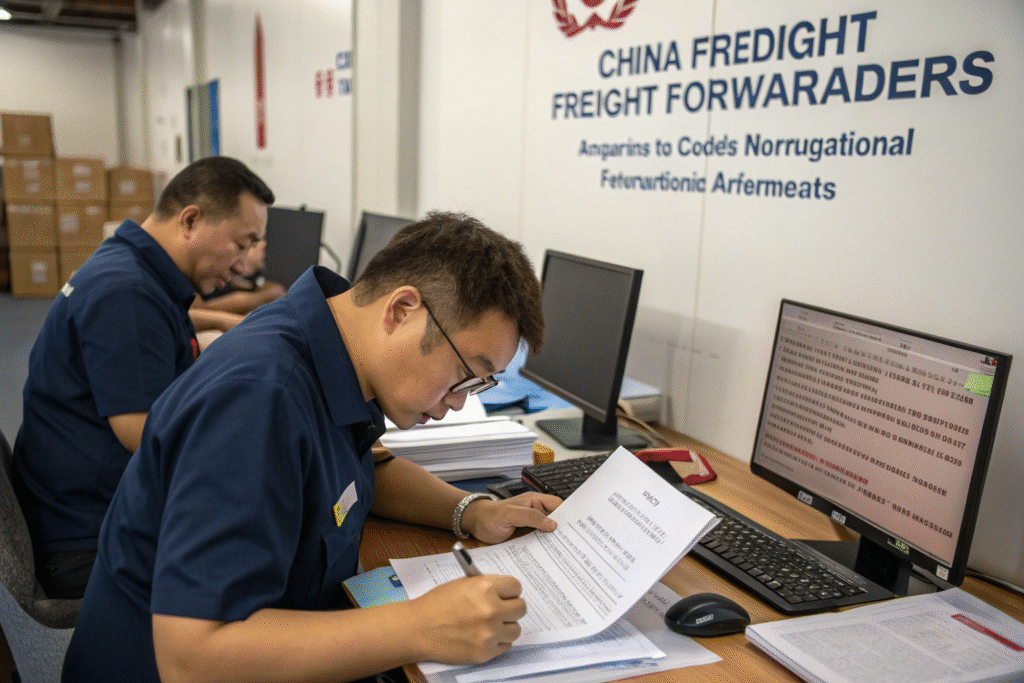
Documentation mistakes often lead to penalties and delays.
Forwarders prepare accurate paperwork, apply correct HS codes, and follow international regulations to keep shipments compliant.
Why is accurate documentation important?
Errors in invoices or packing lists can trigger customs holds. The U.S. Customs and Border Protection stresses the need for precise records.
How do HS codes reduce compliance risks?
Correct classification avoids misdeclared goods and extra duties. The World Customs Organization sets the global standards used by forwarders.
Can Freight Forwarders Provide Cargo Insurance?
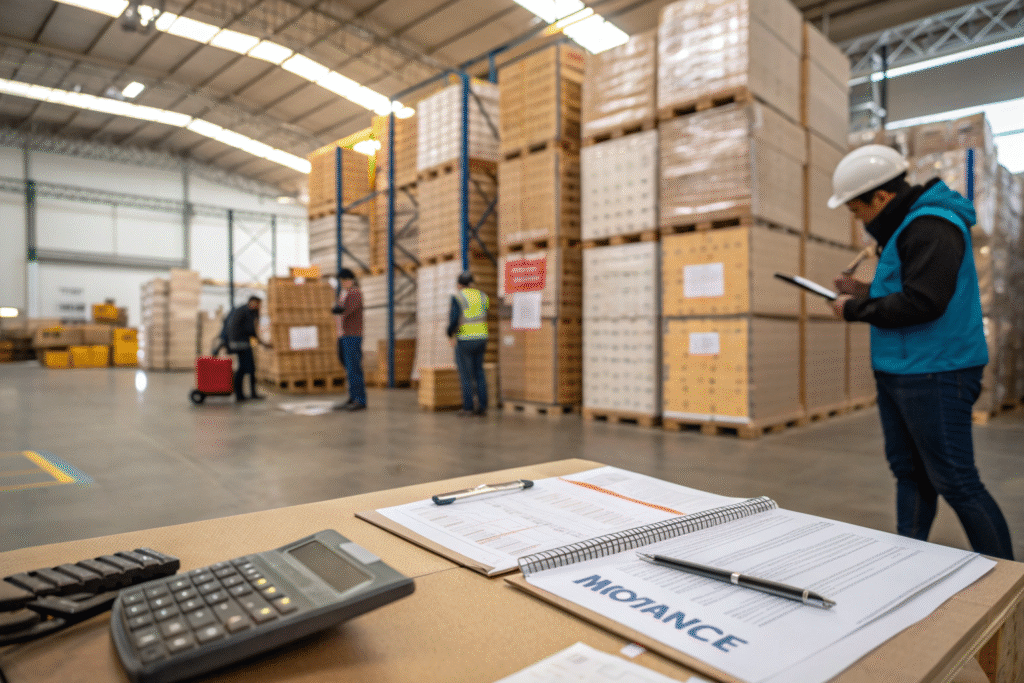
Shipping exposes goods to loss or damage.
Forwarders arrange cargo insurance, protecting importers financially when problems occur.
Why is cargo insurance essential?
Even careful handling cannot eliminate all risks. Allianz Trade explains how insurance protects against heavy losses during transit.
Do forwarders help choose the right policy?
Yes. They advise on coverage types, from all-risk to total loss policies, ensuring shipments are properly protected. The International Chamber of Commerce provides guidelines for trade practices.
How Do Forwarders Improve Shipment Visibility?
Lack of visibility increases uncertainty.
Forwarders use tracking systems to provide real-time updates and alerts when disruptions occur.

How does tracking reduce risk?
Clients always know cargo status and location. Platforms like MarineTraffic enhance transparency and planning.
Can forwarders react quickly to disruptions?
Yes. When congestion or weather delays arise, forwarders reroute shipments or switch modes. FourKites demonstrates how predictive analytics improve resilience.
Why Are Partnerships and Expertise Important?
Strong networks reduce risks at every stage.
Forwarders build relationships with carriers, ports, and customs, ensuring smoother operations and problem-solving.

How do partnerships lower risks?
Reliable carrier agreements secure priority space and reduce rollover risks. Freightos shows how these ties improve reliability.
How does expertise help clients?
Experienced forwarders anticipate seasonal congestion, regulatory updates, and tariff changes. The Journal of Commerce notes how expertise prevents costly mistakes.
Conclusion
Freight forwarders reduce operational risks by ensuring compliance, securing insurance, offering shipment visibility, and relying on strong networks. For importers moving goods from China to the U.S., partnering with an experienced forwarder like GeeseCargo means fewer disruptions and greater peace of mind.