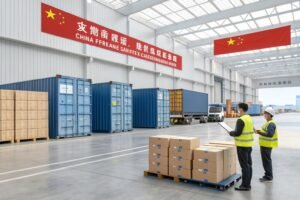
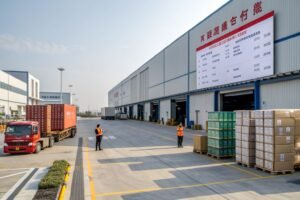
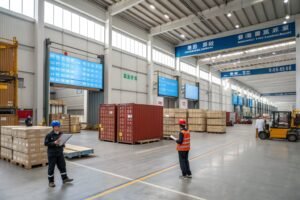
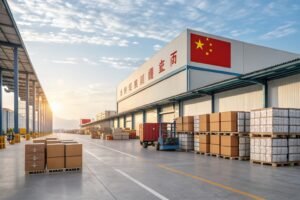
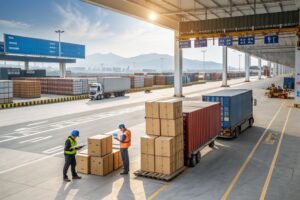
Seasonal peaks, such as holiday sales or trade fairs, strain global logistics. Limited carrier capacity, rising rates, and port congestion cause delays. Many U.S. importers ask if freight forwarders can manage these surges effectively.
Yes, freight forwarders handle seasonal volumes by booking early, consolidating shipments, using carrier partnerships, and providing flexible solutions.
With experience on China–U.S. routes, we plan ahead, anticipate bottlenecks, and keep cargo moving during the busiest months.
How Do Freight Forwarders Secure Space During Peak Season?
Space is the most limited resource during seasonal peaks.
Forwarders secure capacity by reserving space early and maintaining priority access with carriers.
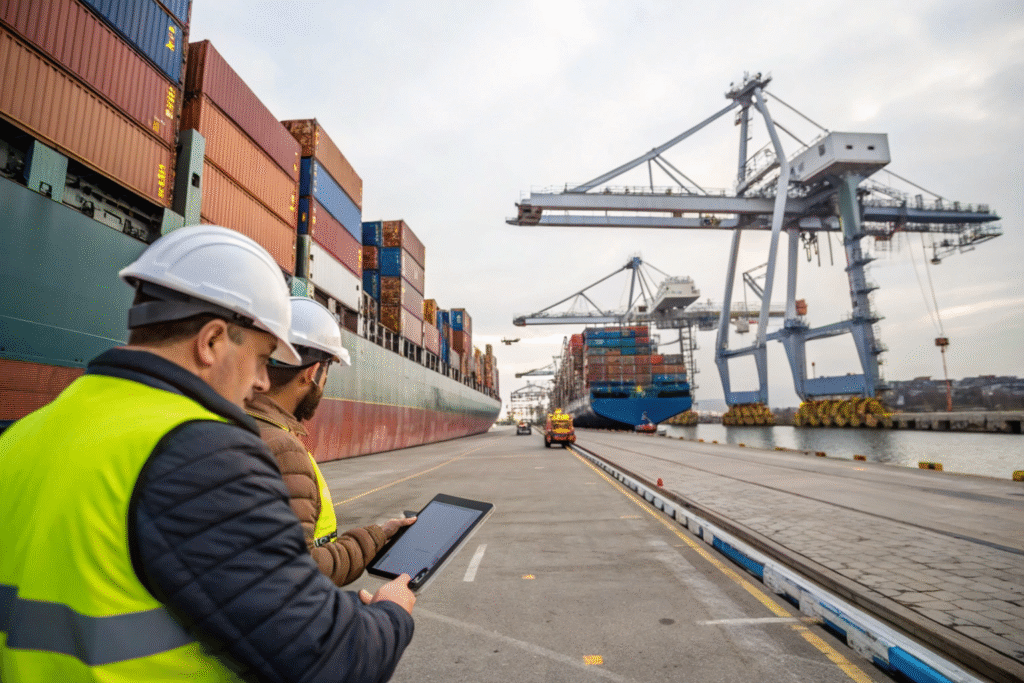
Why is early booking important?
Carriers fill slots quickly when demand spikes. Booking early prevents rollovers. The Journal of Commerce notes that early reservations are essential for timely movement in peak periods.
Do forwarders guarantee space for clients?
Yes, especially those with long-term carrier contracts. Freightos explains how forwarders use volume commitments to secure guaranteed slots.
How Does Shipment Consolidation Support Peak Volume?
Small shipments are most vulnerable to delays during high demand.
By consolidating cargo, forwarders create full container or bulk airfreight loads, which clear faster and get higher priority.

Why is consolidation faster?
FCL (Full Container Load) shipments usually clear customs quicker than LCL (Less-than-Container Load). The World Shipping Council highlights how FCL avoids shared inspections and delays.
Does consolidation reduce costs too?
Yes. It spreads costs across multiple shippers. IATA confirms air consolidation also keeps rates competitive for smaller businesses.
Why Are Carrier Partnerships Critical in Peak Seasons?
Strong partnerships are essential when demand is high.
Forwarders with carrier relationships gain priority bookings, stable rates, and reduced rollover risks.

How do partnerships improve reliability?
Year-round volume builds trust. According to FIATA, these partnerships ensure faster and more reliable service during peak demand.
Can partnerships stabilize costs?
Yes. While peak rates rise, bulk agreements often keep prices stable. The International Trade Administration notes that long-term arrangements reduce seasonal volatility.
What Flexible Solutions Help Manage Seasonal Surges?
Flexibility keeps cargo moving when conditions change.
Forwarders adjust routes, combine transport modes, and use real-time tracking to manage seasonal surges.

Do forwarders use multimodal solutions?
Yes. Combining ocean, air, and rail helps bypass bottlenecks. The International Chamber of Shipping describes multimodal transport as vital for resilience in peak seasons.
How does technology improve seasonal logistics?
Real-time tracking allows forwarders to reroute cargo quickly when congestion or weather issues occur. Platforms like FourKites demonstrate how visibility enhances planning during peak demand.
Conclusion
Freight forwarders are well-prepared for seasonal freight surges. By booking early, consolidating shipments, leveraging carrier partnerships, and applying flexible solutions, they ensure goods move on time even during high-demand periods. For importers shipping from China to the U.S., working with an experienced forwarder means stability when it matters most.