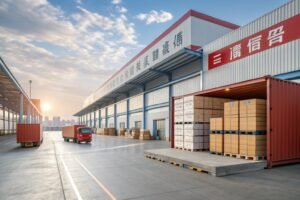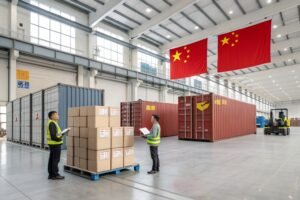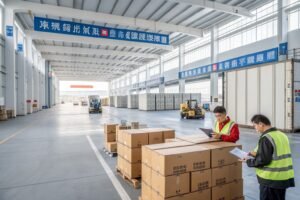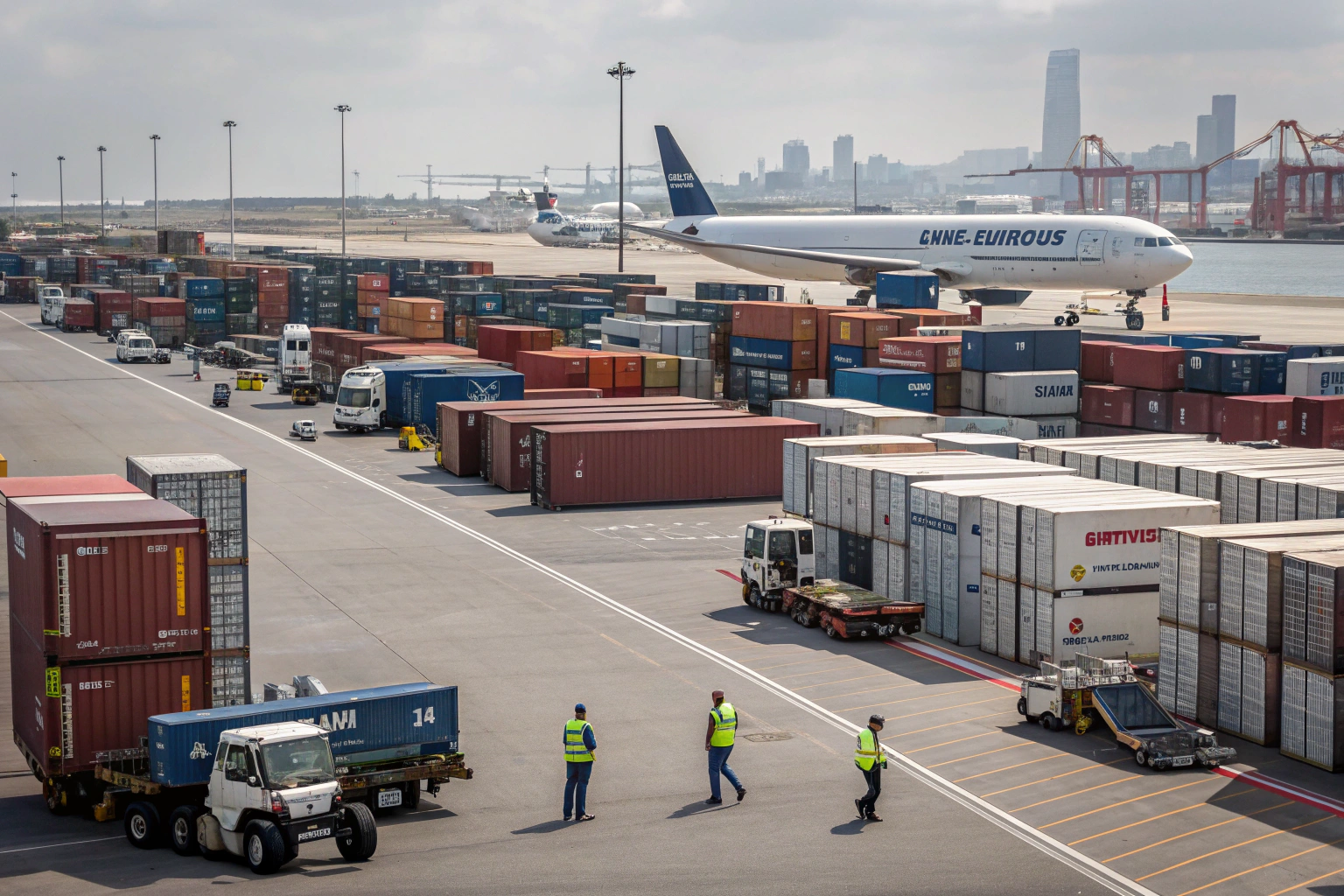
Every year, global trade faces shipping volume peaks—periods when demand surges, ports get congested, and shipping rates skyrocket. For importers like Ron in the U.S., who rely on goods from China, these peaks can mean delays, higher costs, and disrupted supply chains. I know from experience that these seasonal surges are among the toughest challenges businesses face.
The good news is that freight forwarders are experts at managing volume peaks. With planning, negotiation, and strong global networks, forwarders keep shipments moving even when ports and airlines are overloaded.
In this article, I will explain how freight forwarders prepare for, respond to, and overcome the challenges of shipping peaks.
What Causes Shipping Volume Peaks?
Volume peaks happen throughout the year, usually during global holidays or sudden demand shifts.
The main causes include holiday seasons, product launches, and unexpected global events.
Why Do Holidays Create Shipping Surges?
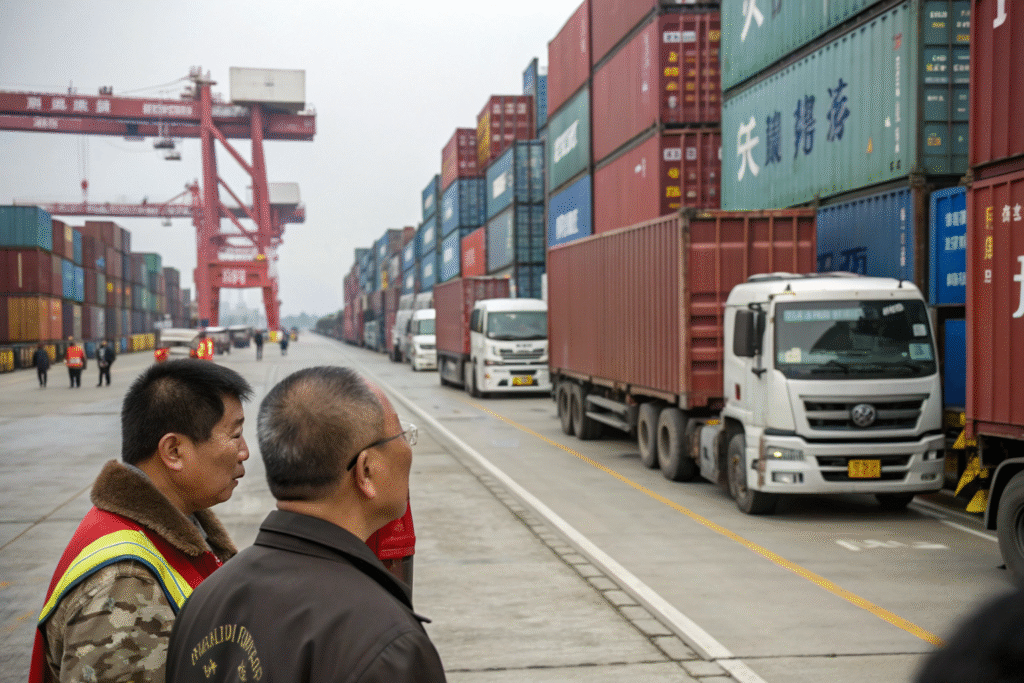
Holidays like Christmas, Lunar New Year, and Black Friday drive huge spikes in imports. According to Journal of Commerce, shipping demand can double before these events.
Freight forwarders prepare by reserving carrier space months in advance, ensuring their clients don’t get priced out during high-demand weeks.
How Do Global Events Impact Volume?
Unexpected events like the pandemic or port strikes can cause sudden surges or bottlenecks. Platforms like MarineTraffic show how disruptions affect container flow worldwide.
Forwarders adapt quickly by rerouting shipments, using alternative ports, or shifting from ocean to air freight when necessary.
How Do Freight Forwarders Prepare for Peak Seasons?
Preparation is the key to surviving peak seasons.
Freight forwarders plan months in advance by securing capacity, negotiating contracts, and forecasting demand.
How Do They Secure Capacity Before Demand Rises?
Forwarders negotiate long-term agreements with shipping lines and airlines to lock in space before it becomes scarce. Reports from FIATA confirm that forwarders’ bulk volume gives them leverage to secure space at better rates.
This ensures clients like Ron have guaranteed shipping slots even when demand is overwhelming.
Why Is Forecasting Demand So Important?
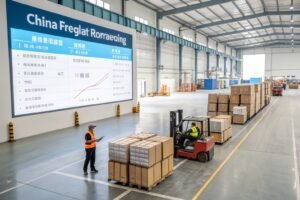
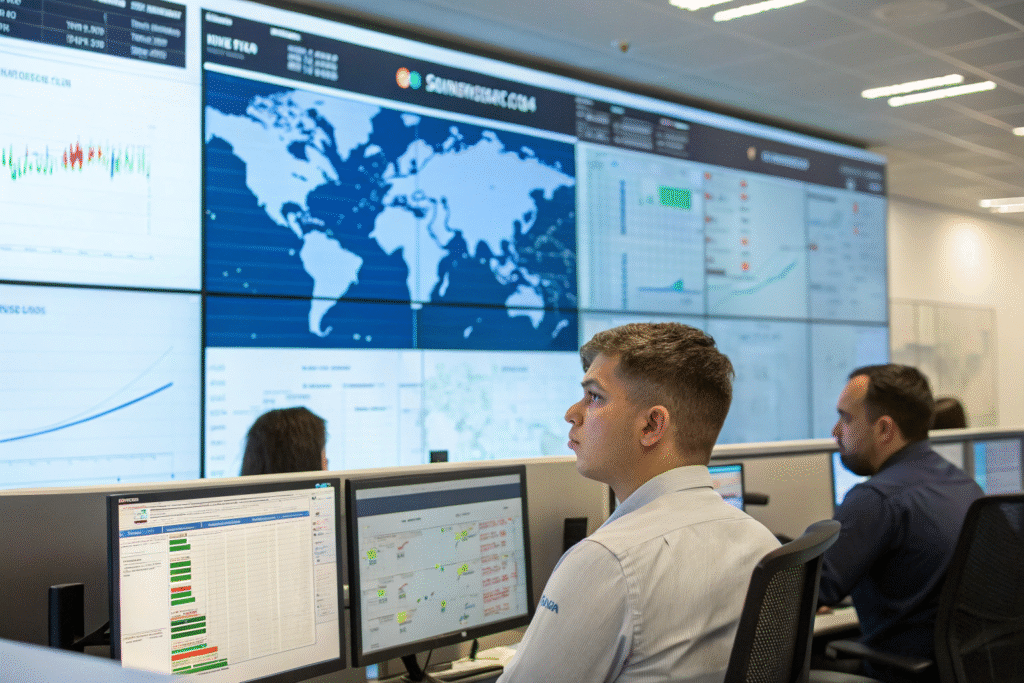
By analyzing past shipment data and market trends, forwarders can predict peak seasons. Platforms like Freightos provide forecasting tools that help forwarders plan ahead.
At GeeseCargo, we use data-driven forecasting to prepare clients for seasonal surges, reducing last-minute surprises.
How Do Forwarders Keep Shipments Moving During Peaks?
Even with preparation, peak season challenges require active management.
Freight forwarders use multimodal transport, route optimization, and priority clearance to keep shipments moving.
When Is Multimodal Transport the Best Option?
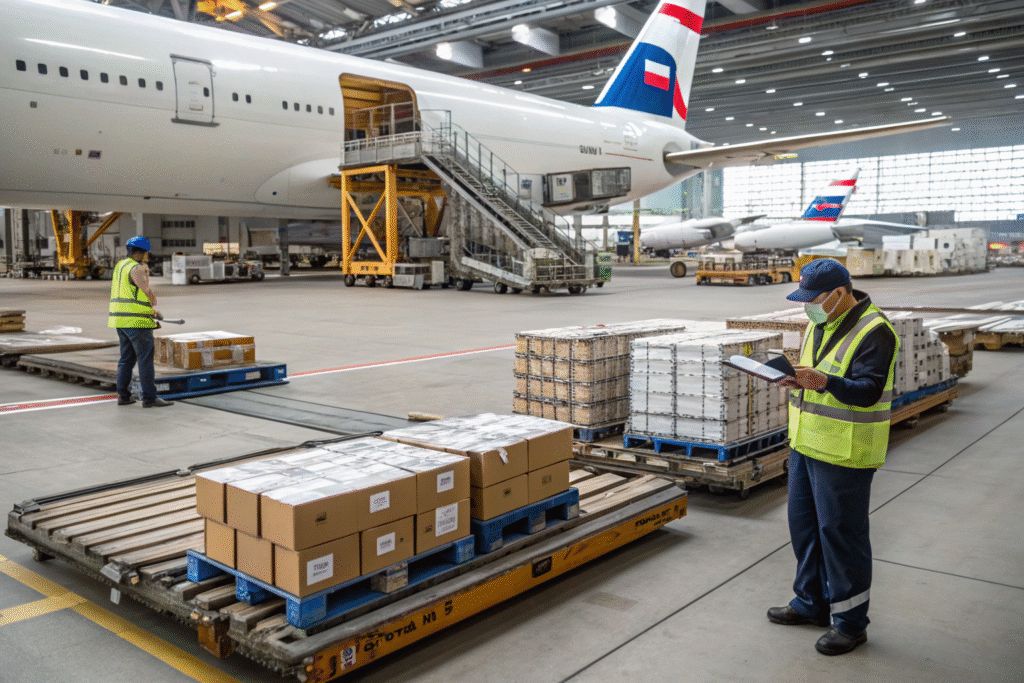
During congestion, forwarders may combine sea, air, and rail freight to bypass bottlenecks. According to DHL Global Forwarding, multimodal solutions cut transit times and reduce risks when ports are overloaded.
For urgent goods, this flexibility ensures delivery deadlines are met.
How Does Route Optimization Help During Congestion?
Forwarders reroute shipments to less congested ports or airports. Using tools like Project44, they monitor real-time traffic and adjust logistics plans.
This agility keeps cargo moving while competitors wait in line.
Why Are Freight Forwarders Essential for Managing Peaks?
Shipping peaks test the limits of supply chains. Without expert management, businesses risk delays, higher costs, and unhappy customers.
Freight forwarders bring expertise, connections, and proactive planning to manage volume surges effectively.

How Do Forwarders Protect Importers from Rising Costs?
Peak season rates can increase drastically. Forwarders with pre-negotiated contracts shield clients from the worst of these spikes. Sources like Flexport show how forwarders stabilize shipping budgets during volatile periods.
This allows importers to maintain profit margins even when competitors struggle.
Why Does Experience Matter Most in Peak Management?
Experienced forwarders have navigated countless peak seasons. At GeeseCargo, we know how to anticipate bottlenecks, secure space, and reroute cargo when needed.
That’s why businesses choose us as their reliable freight forwarding partner during high-demand periods.
Conclusion
Shipping volume peaks are unavoidable in global trade, but they don’t have to cripple your business. Holidays, market shifts, and unexpected events create challenges, but with the right partner, these can be managed effectively.
Freight forwarders plan ahead, negotiate better rates, secure capacity, and use flexible strategies like multimodal transport to keep goods moving. For companies importing from China to the U.S., this means fewer delays, stable costs, and reliable deliveries—even during the busiest times of the year.
Freight forwarders don’t just handle shipments—they ensure businesses stay competitive during global trade peaks.