Shipping costs are one of the biggest concerns for importers. Between freight rates, customs duties, and hidden surcharges, expenses can quickly cut into profit margins. For business owners like Ron in the U.S., who import clothing, accessories, and gifts from China, controlling these costs is critical.
The good news is that freight forwarders can reduce shipping costs in multiple ways. By consolidating shipments, negotiating with carriers, optimizing routes, and preventing delays, forwarders help importers save both time and money.
In this article, I will explain how freight forwarders cut costs and why their expertise makes them valuable partners for global trade.
What Are the Main Drivers of High Shipping Costs?
Shipping costs are influenced by many factors beyond an importer’s control.
The main drivers include volatile freight rates, surcharges, customs duties, and delays caused by congestion or paperwork errors.
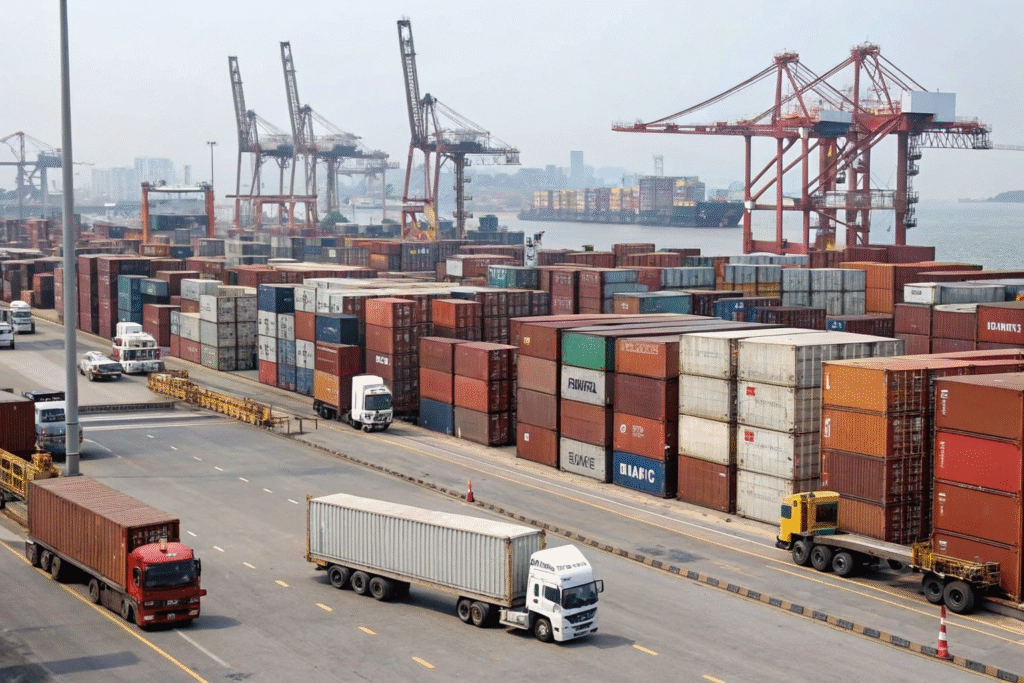
Why Are Freight Rates So Unstable?
Freight rates depend on global demand, fuel costs, and seasonal peaks. According to the Journal of Commerce, container rates between Asia and the U.S. have doubled during high-demand periods.
Freight forwarders reduce risks by booking in advance and using their volume-based bargaining power to secure lower rates.
How Do Hidden Fees Impact Importers?
Many importers face unexpected charges like demurrage, detention, and port surcharges. Reports from Freightos show these fees can make up 20–30% of total shipping costs.
Forwarders help avoid such fees by managing documentation accurately and scheduling port operations efficiently.
How Do Freight Forwarders Negotiate Better Rates?
One of the biggest advantages of working with freight forwarders is their ability to secure competitive shipping rates.
Because forwarders handle large cargo volumes, they have stronger negotiation power with carriers than individual importers.

How Does Consolidation Lower Costs?
Freight forwarders consolidate shipments from multiple clients into one container. This spreads the cost across importers, making shipping cheaper. Platforms like Flexport highlight consolidation as a key cost-saving strategy.
For Ron, this means he can import smaller volumes of goods at competitive rates without paying for unused container space.
Why Is Long-Term Partnering with Carriers Important?
Forwarders maintain long-term relationships with shipping lines, airlines, and trucking companies. This allows them to secure stable rates even when markets fluctuate. According to FIATA, strong partnerships are a core benefit of using a freight forwarder.
This stability protects importers from sudden cost spikes.
What Strategies Do Freight Forwarders Use to Cut Costs?
Freight forwarders use both operational strategies and technology to reduce expenses for importers.
These strategies include route optimization, digital tracking, and customs efficiency.
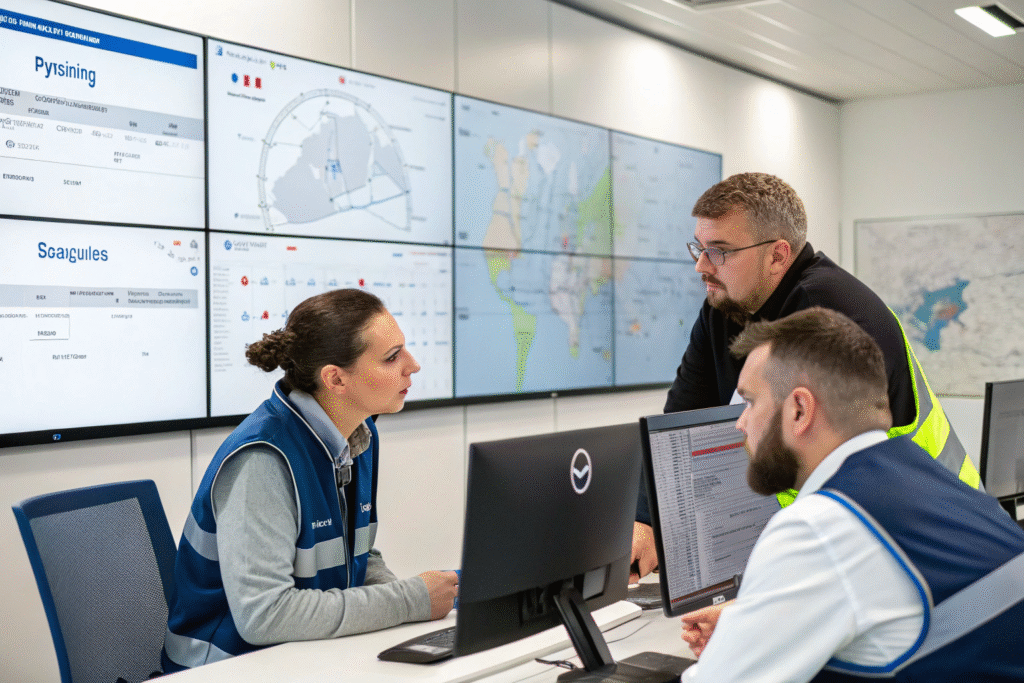
How Does Route Optimization Save Money?
Shipping costs vary depending on the route. Forwarders use platforms like MarineTraffic to avoid congested ports and select faster, more affordable routes.
This reduces both transit time and costs for importers.
Why Does Customs Efficiency Matter for Cost Reduction?
Customs delays often cause storage and demurrage fees. According to U.S. Customs and Border Protection, incomplete paperwork is a major cause of costly delays.
Freight forwarders prepare accurate documentation, preventing unnecessary charges and keeping shipments moving.
Why Are Freight Forwarders Essential for Cost Control?
Beyond rates and paperwork, freight forwarders bring long-term financial stability to businesses.
They combine expertise, industry networks, and proactive problem-solving to reduce costs consistently.

How Do Forwarders Prevent Unexpected Expenses?
Forwarders anticipate potential risks like port congestion, weather disruptions, or tariff changes. They prepare contingency plans to avoid costly delays. Insights from DHL Supply Chain show proactive planning as a major cost-saving factor.
For importers, this means fewer surprises and predictable logistics budgets.
Why Is Experience the Strongest Cost Advantage?
Experienced freight forwarders know how to navigate global logistics challenges. At GeeseCargo, our years of managing shipments between China and the U.S. allow us to spot inefficiencies and cut costs effectively.
That is why many importers rely on us as their reliable freight forwarding partner.
Conclusion
Shipping costs are one of the biggest challenges in global trade. Freight rates, hidden fees, and customs delays can quickly eat into profits. But with freight forwarders, importers gain negotiation power, efficiency, and financial stability.
By consolidating shipments, optimizing routes, and preventing costly errors, freight forwarders ensure lower shipping costs and smoother operations. For companies importing from China to the U.S., this translates into stronger profits and more reliable supply chains.
Freight forwarders do not just move goods—they protect businesses from unnecessary expenses.