When I consult with new clients, one of the first things I notice is how many importers struggle with shipping terms. Misunderstanding trade terms can lead to unexpected costs, delayed deliveries, or even disputes with suppliers. Knowing the essential shipping terms is critical for any importer who wants smooth and profitable operations.
Shipping terms define responsibilities between buyers and sellers, clarifying who handles transport, costs, and risks. For importers, this knowledge prevents mistakes, improves negotiations, and builds stronger supply chains.
Let’s explore the most essential shipping terms every importer must understand.
Why Are Incoterms So Important in International Trade?
Incoterms are international rules published by the International Chamber of Commerce (ICC) that define trade responsibilities.
They decide who pays for freight, insurance, and customs, and when the risk transfers from seller to buyer.

What Are the Most Common Incoterms for Importers?
Some of the most used Incoterms are FOB (Free on Board), CIF (Cost, Insurance, Freight), EXW (Ex Works), and DDP (Delivered Duty Paid). According to the ICC, each Incoterm shifts different responsibilities between buyer and seller.
How Can Wrong Incoterms Increase Costs?
Choosing the wrong Incoterm can result in unexpected charges. For example, under EXW, the buyer takes on nearly all responsibilities, which can overwhelm small importers. According to Trade.gov, understanding Incoterms reduces risks and cost surprises.
What Is the Difference Between FOB and CIF?
FOB and CIF are two of the most common terms for ocean freight.
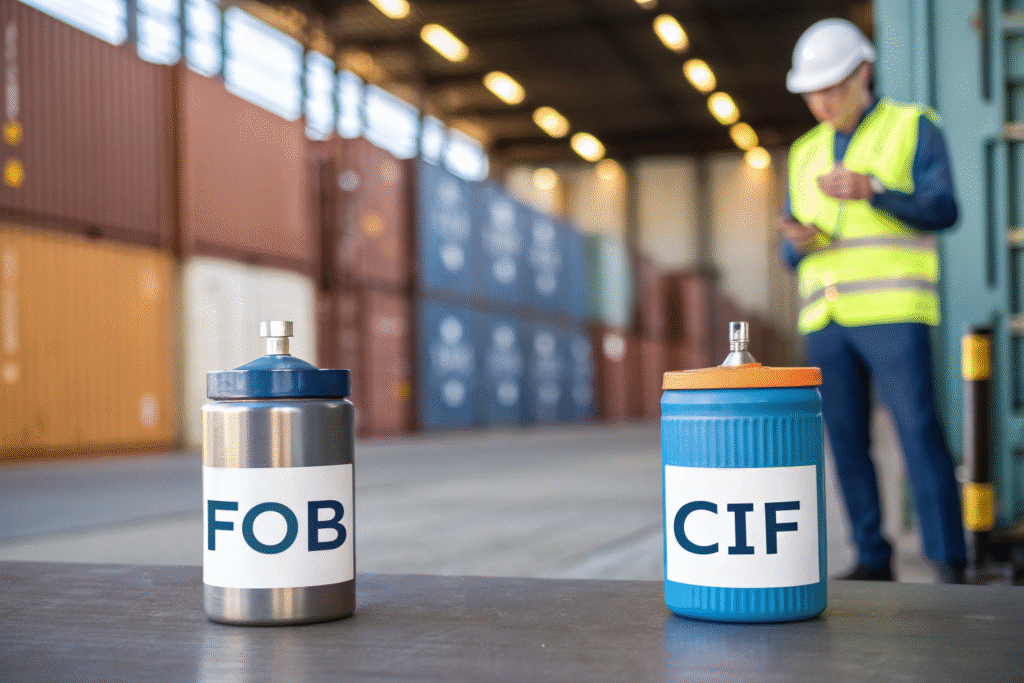
FOB (Free on Board) means the seller handles delivery up to the port of departure, while CIF (Cost, Insurance, Freight) includes ocean transport and insurance paid by the seller.
When Should Importers Choose FOB?
FOB gives the importer more control over the freight forwarder and carrier. According to Maersk, FOB often results in better service and transparency because the importer chooses their logistics partner.
When Is CIF a Better Option?
CIF is useful for new importers who prefer simplicity, as the seller arranges shipping. However, according to Freightos, importers often pay higher costs under CIF because they cannot negotiate rates directly.
Why Is DDP Convenient but Risky?
DDP (Delivered Duty Paid) means the seller handles everything, including duties, taxes, and final delivery.
It seems convenient, but it often reduces transparency and raises costs.
Why Do Many Importers Prefer DDP?
It removes complexity for the buyer. According to Flexport, small importers sometimes use DDP to avoid dealing with customs and tariffs directly.
What Are the Risks of Using DDP?
The seller may overcharge for duties or use slower carriers. Importers also lose visibility and control over their supply chain. According to Journal of Commerce, relying too much on DDP can harm profitability.
How Do Freight Forwarders Help Importers With Shipping Terms?
Understanding shipping terms is one thing—applying them correctly is another.
Freight forwarders guide importers in negotiating with suppliers, ensuring the chosen terms fit their business goals.

Do Forwarders Advise on the Best Incoterm Choice?
Yes. Forwarders analyze supply chain needs and recommend terms that balance cost, control, and risk. According to DHL, choosing the right Incoterm is critical for supply chain efficiency.
Can Forwarders Manage Risks Linked to Shipping Terms?
Absolutely. By monitoring logistics, handling documentation, and clarifying responsibilities, forwarders minimize risks caused by unclear shipping terms. According to CargoSmart, forwarder involvement reduces disputes and unexpected costs.
Conclusion
For importers, shipping terms are not just technical details—they shape costs, risks, and responsibilities in every shipment. Understanding Incoterms like FOB, CIF, EXW, and DDP is essential to avoid surprises and control logistics.
Freight forwarders play a vital role in helping importers apply the right terms, negotiate with suppliers, and ensure profitability. With the right partner, shipping terms become a powerful tool for building stronger and more efficient supply chains.