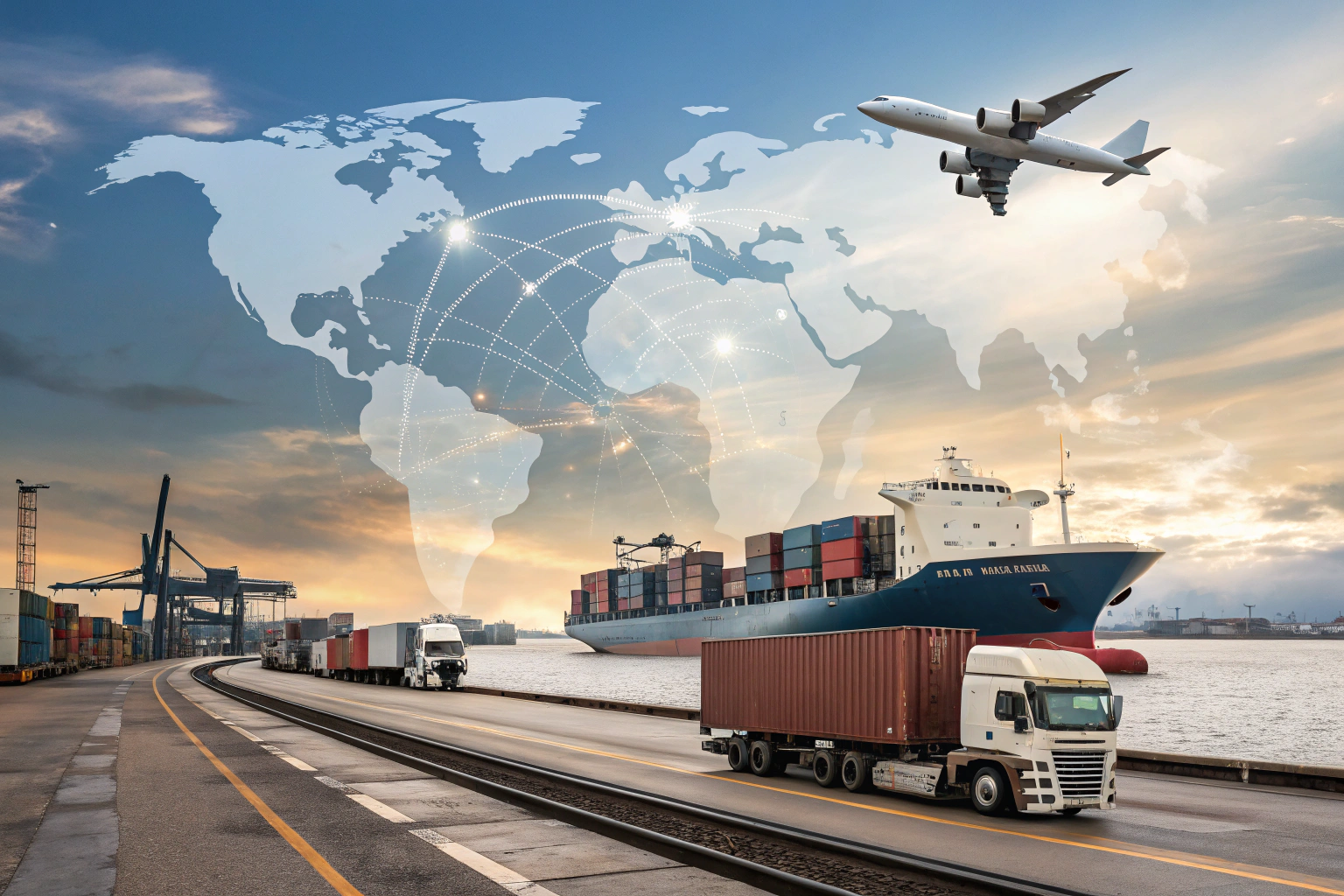
For many business owners like Ron, international shipping feels overwhelming. There are so many moving parts—customs regulations, multiple carriers, tariffs, paperwork, and changing schedules. One mistake can cause costly delays. That is why freight forwarders play such an important role.
Freight forwarders reduce shipping complexity by managing documentation, coordinating carriers, handling customs, and providing technology-driven visibility. With their expertise, businesses can focus on growth instead of logistics headaches.
That is why I want to explain how we simplify complex global shipping and why working with a reliable forwarder makes trade more efficient and less stressful.
Why Is International Shipping So Complicated?
International shipping involves many stakeholders and processes. Businesses that try to manage it alone often face unexpected delays and hidden costs.
Shipping is complicated because it involves multiple carriers, international regulations, customs laws, and unpredictable risks.
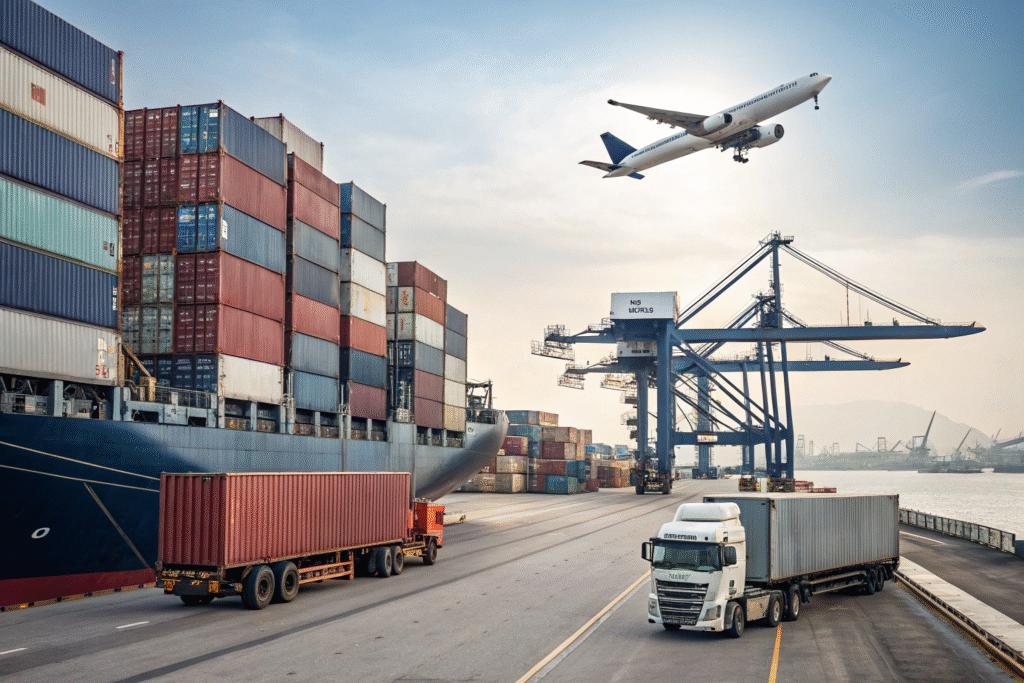
What factors make global trade challenging?
Each shipment passes through factories, ports, customs, carriers, and warehouses. World Trade Organization notes that global trade requires compliance with different regulations across borders. A small error in one step can hold up the entire supply chain.
Why do businesses struggle with multi-carrier coordination?
Many businesses ship using sea, air, rail, and truck. According to DHL, coordinating multiple carriers requires careful planning. Without a forwarder, companies risk delays and higher costs due to poor scheduling.
How Do Freight Forwarders Simplify Documentation and Compliance?
Paperwork is one of the most time-consuming and risky parts of global shipping. Missing or incorrect documents can stop a shipment for weeks.
Freight forwarders reduce complexity by preparing, checking, and filing all required documents to ensure compliance with customs regulations.
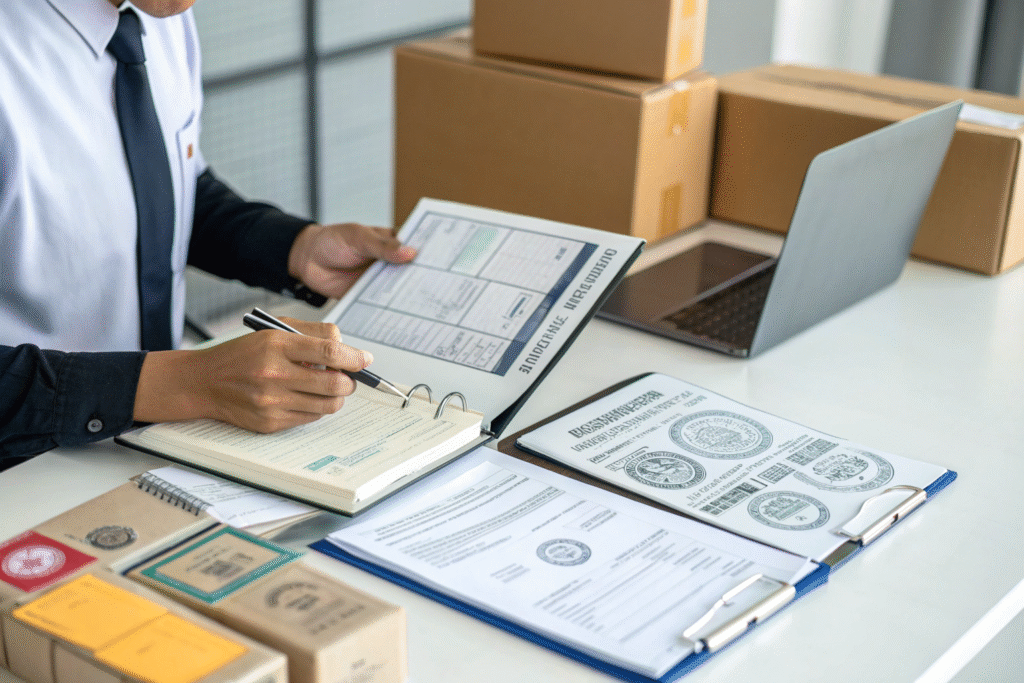
How does documentation cause delays?
Customs requires accurate invoices, bills of lading, and certificates. U.S. Customs and Border Protection warns that errors often result in fines or cargo holds. I once handled a case where incorrect HS codes delayed a shipment until we corrected it.
How do forwarders ensure compliance?
We keep up with regulation changes and double-check every form. Platforms like CargoWise help automate compliance. At GeeseCargo, we make sure clients like Ron avoid mistakes that could cost time and money.
How Do Forwarders Coordinate Carriers and Routes?
Forwarders act as the bridge between shippers and carriers. Instead of businesses negotiating with dozens of transport companies, forwarders handle everything.
Freight forwarders simplify shipping by coordinating carriers, optimizing routes, and managing schedules.
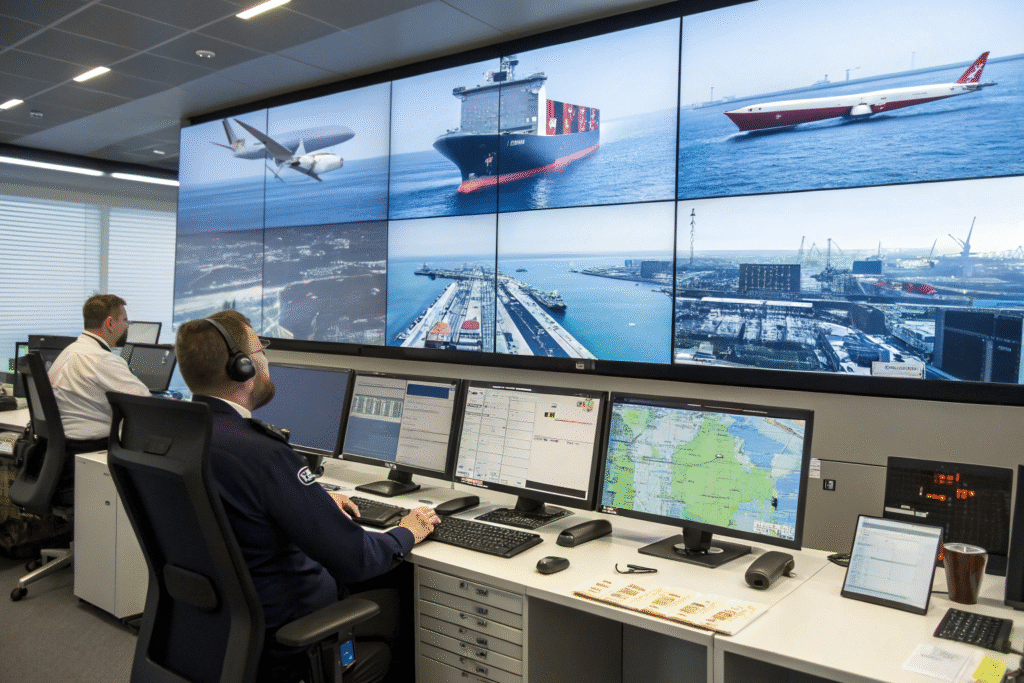
Can forwarders secure better routes and rates?
Yes. Because we handle large shipment volumes, we negotiate better rates and faster routes. Hapag-Lloyd explains that forwarders often book space early to secure capacity. This gives businesses reliable access even during peak season.
How does multi-modal shipping reduce complexity?
Sometimes, combining sea, air, rail, and road is the fastest solution. According to Kuehne+Nagel, multimodal strategies reduce transit times and avoid congested ports. I design flexible shipping plans for my clients so they always get the best balance of speed and cost.
How Does Technology Help Simplify Shipping?
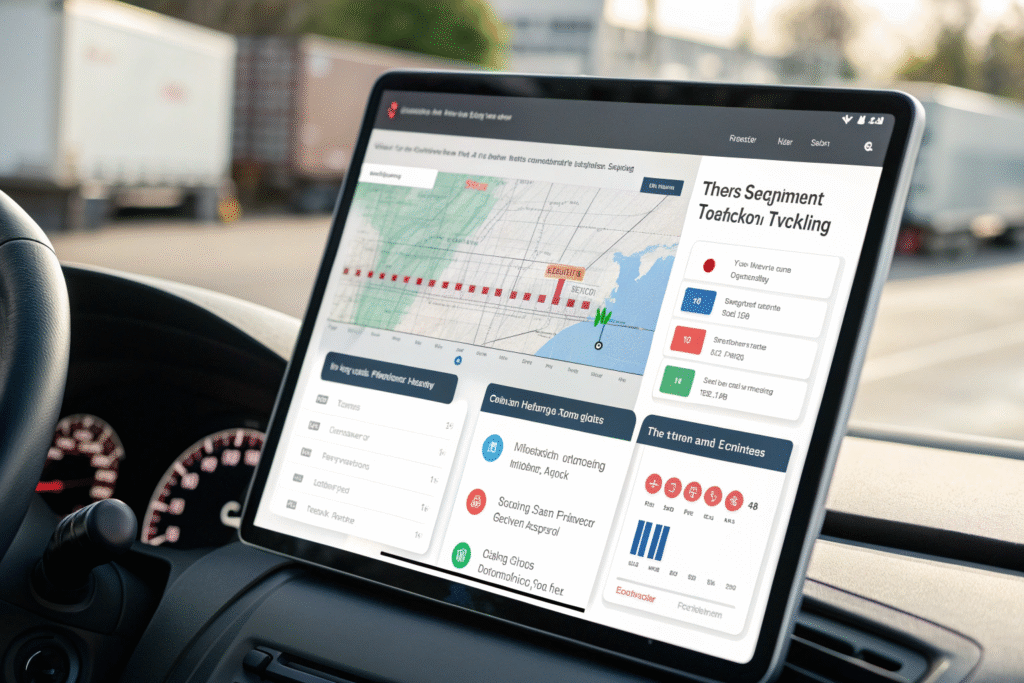
Technology has made shipping more transparent and manageable. Clients no longer need to call daily for updates—they can check cargo status in real time.
Technology reduces complexity by providing visibility, predictive insights, and streamlined communication.
How does real-time visibility help clients?
With platforms like MarineTraffic and Project44, clients can track shipments in real time. This reduces uncertainty and helps businesses plan inventory with confidence.
Can predictive analytics prevent disruptions?
Yes. AI-powered platforms like FourKites predict risks like congestion or weather delays. I use these tools to reroute shipments proactively, so my clients avoid costly surprises.
Why Is Partnering With a Forwarder Better for Businesses?
Shipping is complex, but businesses don’t have to manage it alone. By outsourcing logistics to forwarders, companies save time, reduce risks, and stay competitive.
Partnering with forwarders reduces complexity by shifting logistics burdens to experts, allowing businesses to focus on growth.

How does outsourcing free up business resources?
Instead of spending hours on logistics, businesses can focus on sales and expansion. McKinsey highlights that outsourcing logistics increases efficiency and reduces overhead. My clients gain time and peace of mind when they trust us with operations.
Why does experience matter in reducing complexity?
Experienced forwarders understand ports, carriers, and customs systems worldwide. FIATA stresses that certified forwarders provide higher reliability. At GeeseCargo, our experience ensures clients avoid unnecessary complexity and hidden risks.
Conclusion
Freight forwarding can seem complicated, but it doesn’t have to be for businesses. By managing paperwork, coordinating carriers, leveraging technology, and providing expertise, forwarders like me simplify global shipping.
For clients like Ron, reducing complexity means more predictable costs, fewer delays, and more time to focus on growing their company. At GeeseCargo, I see it as my mission to turn the complexity of global logistics into a smooth and reliable process.