When I talk with clients like Ron, one of their biggest concerns is not knowing where their cargo is at any given time. Uncertainty causes stress, missed deadlines, and financial loss. In global shipping, visibility is the key to building trust and ensuring smooth operations.
Freight forwarders can improve supply chain visibility by providing real-time tracking, digital platforms, predictive analytics, and proactive communication. With better visibility, businesses reduce risks and improve decision-making.
That is why I want to explain how forwarders like me enhance supply chain visibility, what tools we use, and how clients benefit from transparent logistics.
Why Is Supply Chain Visibility So Important?
Visibility is more than just knowing the shipment’s location. It means having full transparency about timelines, risks, costs, and potential delays. For buyers and distributors, this knowledge is critical for planning.
Supply chain visibility is important because it reduces uncertainty, lowers costs, and improves customer satisfaction. Without it, businesses face unnecessary risks.

How does poor visibility hurt businesses?
Lack of transparency leads to inventory shortages, missed sales, and frustrated customers. According to Gartner, companies without supply chain visibility lose efficiency and flexibility. I once had a client who switched to us because their previous forwarder never updated them, leaving them blind during critical shipping stages.
What benefits come with improved visibility?
Improved visibility allows accurate demand forecasting, better cost management, and proactive risk handling. McKinsey reports that companies with strong supply chain visibility are more resilient during disruptions. Clients like Ron can plan inventory and cash flow more effectively when they know their cargo’s real-time status.
What Tools Do Freight Forwarders Use for Visibility?
Today, technology is the backbone of visibility. Forwarders invest in platforms that give clients real-time updates on shipments, costs, and risks.
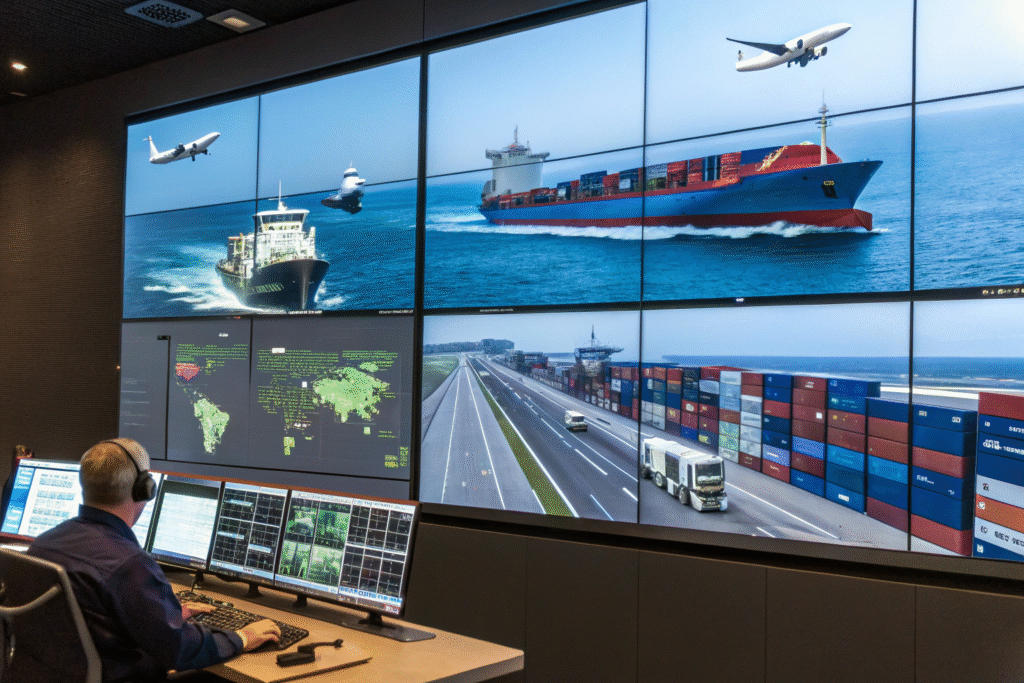
Freight forwarders use digital platforms, GPS tracking, EDI systems, and IoT sensors to provide accurate visibility. These tools ensure that clients always know the status of their shipments.
How does GPS tracking improve client confidence?
GPS tracking allows clients to follow cargo every step of the way. Tools like MarineTraffic for sea freight and FlightAware for air shipments give real-time updates. I often share these platforms with my clients so they can check their shipments independently.
What role do digital platforms play in visibility?
Digital platforms like Project44 and Flexport centralize shipment information. They provide alerts for delays and keep all stakeholders connected. At GeeseCargo, I use platforms that let clients log in anytime to see live shipment data. This transparency builds trust.
How Does Predictive Analytics Enhance Visibility?
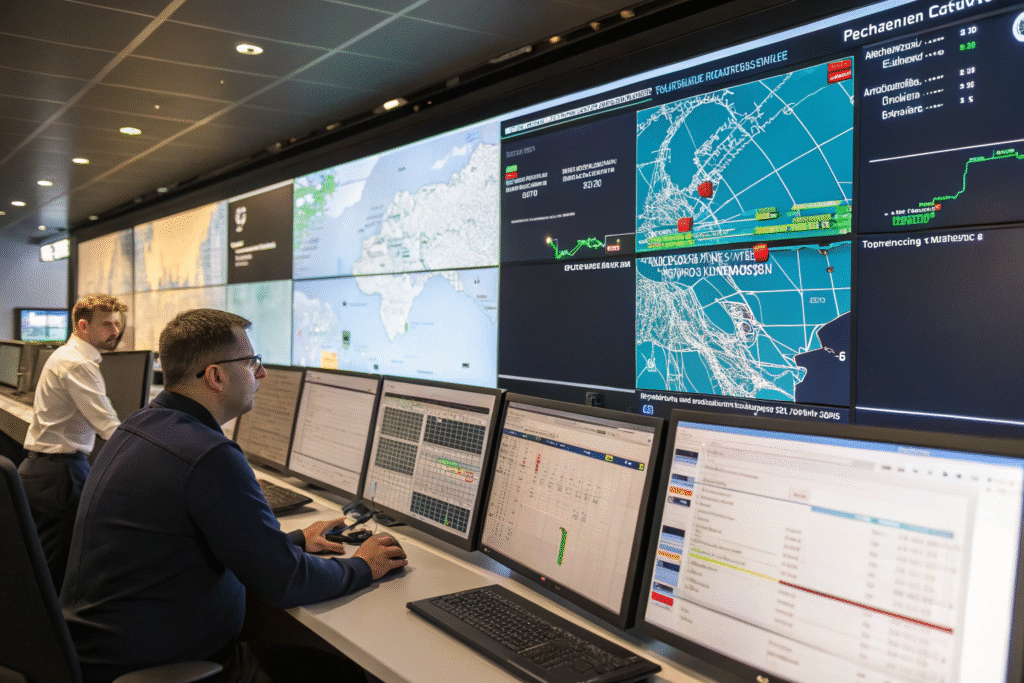
Predictive analytics goes beyond tracking—it forecasts risks before they occur. Using AI and data, forwarders can anticipate problems like port congestion, weather delays, or customs bottlenecks.
Predictive analytics enhances visibility by turning raw data into actionable insights. Clients can then make smarter decisions about inventory and scheduling.
Can predictive analytics prevent delays?
Yes. Platforms like FourKites analyze data from thousands of shipments to forecast risks. This allows forwarders to reroute cargo before a delay occurs. I use these insights to keep my clients’ goods moving even during peak congestion.
How do AI insights improve client planning?
AI insights help clients forecast arrival times more accurately, reducing the need for emergency shipments. According to DHL, predictive analytics improves supply chain resilience. Ron, for example, can plan seasonal product launches with confidence knowing his shipments will arrive on time.
Why Is Communication Still Key to Visibility?
Even with advanced technology, human communication remains essential. Clients want reassurance, explanations, and quick responses when problems arise.
Communication strengthens visibility by ensuring clients understand data, receive timely updates, and trust their forwarder. Technology supports this, but personal service completes it.

How do forwarders keep clients updated?
I believe in frequent updates. Whether through email, WhatsApp, or dashboards, I keep clients informed of every shipment milestone. Platforms like CargoWise support automated updates, but I always add personal communication to build confidence.
Why is proactive problem-solving essential?
Clients need solutions, not just reports. If a port is congested, I immediately inform my clients and propose alternatives. Industry sources like Journal of Commerce emphasize that forwarders who act proactively retain client trust. I have built long-term partnerships this way.
Conclusion
Supply chain visibility is no longer optional—it is a requirement for global trade. By using digital platforms, predictive analytics, GPS tracking, and strong communication, freight forwarders like me ensure that clients always know the status of their shipments.
For business owners like Ron, visibility means fewer risks, lower costs, and more confidence. At GeeseCargo, I make visibility a priority, because when clients can see their cargo clearly, they can grow their business with certainty.